How Lulu Toy Car Ensures Safety and CE Compliance in Every Electric Animal Ride
Posted by libavef cwsgear
Filed in Other 33 views
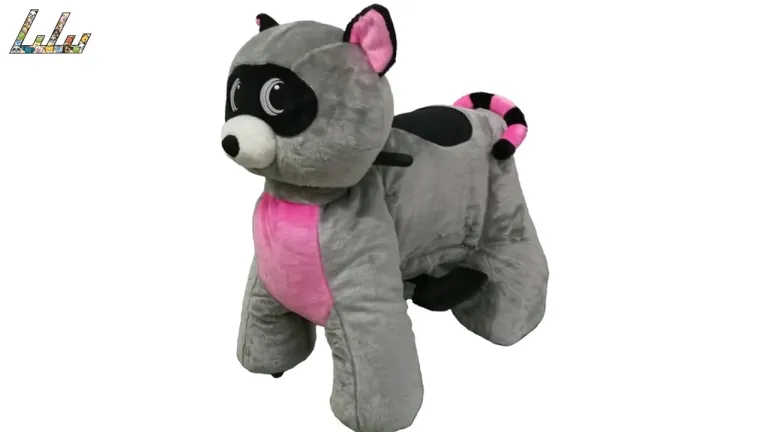
Safety is the first question a thoughtful parent asks and the last thing an operator can afford to neglect. A ride that wobbles, pinches, overheats, or starts unexpectedly can turn a pleasant outing into an emergency, and in many places it can also create serious legal problems for the venue. Because electric animal rides combine batteries, motors, and moving parts with very young riders, careful design and verification are essential. Lulu Toy Car, a Shanghai manufacturer with about twenty years of experience, lists CE, ISO9001, and EN71 among its credentials on its main website. Here is what safety and compliance generally involve for plush ride-on animals and what buyers should check themselves.
Safe by Design
Safety begins with form. Plush covers and soft padding reduce the hard surfaces that children could bump. A low, stable base helps prevent tipping, and a seat shaped for small riders keeps them secure. The listed top speed is about two kilometers per hour, a slow walking pace that limits the force of any collision. Maximum load is given as fifty kilograms, which helps operators set sensible rules about who may ride. Rounded shapes, concealed wiring, and fabric covers over mechanical parts all contribute. Good safety design anticipates how children really behave, including leaning, wriggling, and grabbing, not just how adults imagine they will behave.
Electrical Safety
Electric rides require careful attention to power systems. The product information describes a six-volt, four-amp-hour lead-acid battery and a six-volt motor in the twenty-five-watt class. Low voltage reduces certain risks, but proper insulation, secure connectors, and protected battery compartments are still necessary. Charging should follow the supplier's instructions, using the correct charger and a suitable location away from moisture. Charging takes eight to ten hours, so operators should schedule it safely, ideally outside public areas or after hours. Inspect cables and connectors regularly. Any ride that shows signs of heat, damage, or irregular behavior should be removed from service until it has been checked and repaired. Buyers comparing electric animal rides from different suppliers will find these points useful when asking for quotes and samples.
What CE Marking and Related Standards Mean
CE marking indicates that a product is intended to meet European requirements for health, safety, and environmental protection, and the manufacturer declares conformity. For toys, EN71 is a set of European standards covering mechanical and physical properties, flammability, and chemical aspects. ISO9001 concerns quality management systems rather than product safety directly, but it supports consistent processes. These credentials provide a framework, but they do not replace buyer diligence. Certification can apply to specific models, and rules differ by country. Operators should request current certificates and test reports for the exact ride they plan to buy, and check local regulations for public play equipment, which may impose additional requirements.
Materials and Hygiene
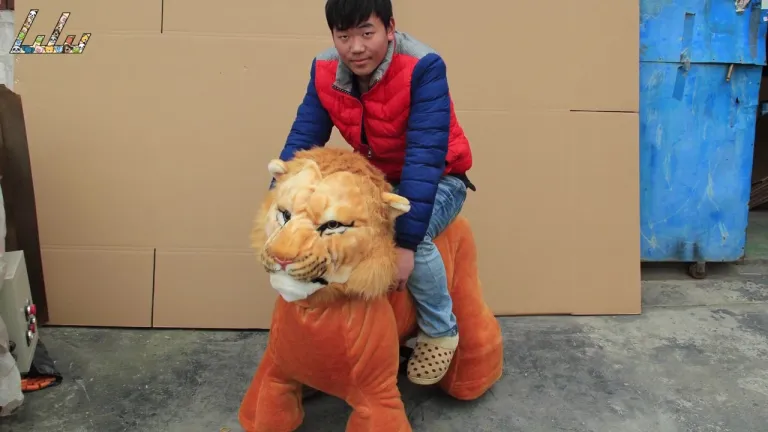
Materials affect both safety and hygiene. The rides use high-grade plush fabrics, PP cotton filling, and PU wheels according to the product information. Buyers should ask about flame resistance of fabrics, safe dyes, and the absence of harmful substances, particularly for markets with strict chemical rules. Detachable, washable jackets help keep rides clean, which reduces the spread of dirt and germs in busy venues. Regular cleaning schedules, using appropriate methods, protect both fabric and children. Stitching should be strong and secure to prevent loose threads or small parts from detaching. Inspect covers frequently and replace any that show tears, loose buttons, or exposed filling.
Safe Operation After Installation
Equipment can only be as safe as the way it is used. Install rides on suitable flooring with clear space around them, and define a riding track away from stairs, escalators, and entrances. Supervise children at all times, and keep crowds under control during busy periods. Post simple signs about weight limits and age recommendations, confirming age guidance with the supplier since the public page does not state it. Train staff to inspect rides daily and to respond calmly to problems. Keep maintenance records. A strong safety culture combines good products, clear documentation, and careful habits, and venues that invest in all three protect children and their own reputation.