Faux Fur vs Real Fur: Differences, Benefits & Ethics
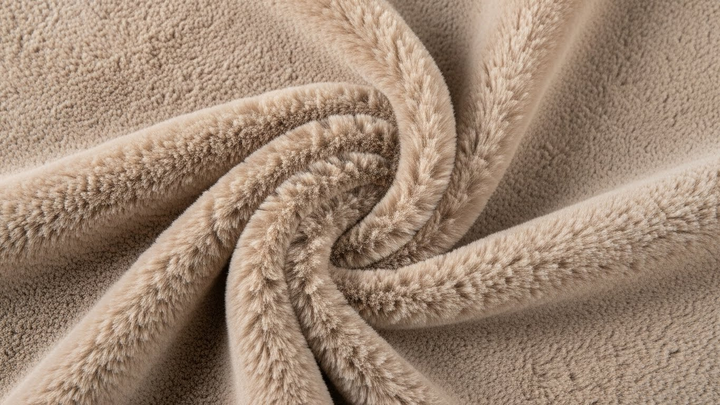
The debate between faux fur and real fur has become more important than ever. As consumers become more aware of sustainability, animal welfare, and ethical fashion, many people want to understand the real differences between these two materials. Whether you are buying a winter coat, upholstery fabric, or crafting materials, knowing how faux fur compares to real fur can help you make a smarter and more responsible choice.
This guide explains the differences, benefits, and ethical concerns of faux fur fabric and real fur in clear, easy-to-understand language. The goal is to give you honest, practical information so you can decide what works best for your needs and values.
What Is Faux Fur?
Faux fur is a man-made fabric designed to look and feel like animal fur. It is usually made from synthetic fibers such as polyester, acrylic, or modacrylic. Modern Faux Fur Fabric is soft, warm, and visually realistic, often making it hard to tell apart from real fur at first glance.
Thanks to advances in textile technology, faux fur now comes in a wide range of textures, pile lengths, colors, and patterns. It is commonly used in fashion, home décor, costumes, and crafts.
What Is Real Fur?
Real fur comes from animal pelts, such as mink, fox, rabbit, or chinchilla. It has been used for centuries for warmth and luxury clothing. Real fur is naturally insulating and has unique texture variations depending on the animal species.
However, producing real fur involves farming or trapping animals, which has raised serious ethical, environmental, and animal welfare concerns worldwide.
Key Differences Between Faux Fur and Real Fur
Material and Production
The biggest difference lies in how the fabrics are made. Faux fur is produced using synthetic fibers, while real fur comes directly from animals. This alone affects cost, availability, care, and ethical impact.
Texture and Appearance
Real fur has natural variation in hair length and density, which some people consider more “authentic.” However, high-quality Faux Fur Fabric can closely replicate this look and feel while offering consistent texture and color across the entire piece.
Warmth and Insulation
Real fur is naturally warm and breathable. Faux fur also provides excellent insulation, especially when lined properly, though it may feel slightly heavier than real fur in some garments.
Cost and Accessibility
Faux fur is generally much more affordable than real fur. It is widely available and easier to produce, making it accessible to a larger audience without the high price tag of animal fur.
Benefits of Faux Fur
Faux fur has gained popularity for several strong reasons, especially in modern fashion and interior design.
Ethical and Animal-Friendly
One of the biggest advantages of faux fur is that no animals are harmed in its production. This makes Faux Fur Fabric a preferred choice for people who value cruelty-free products.
More Design Variety
Faux fur can be dyed in almost any color and created in different pile lengths and textures. From natural-looking browns to bold fashion colors, designers have far more creative freedom.
Easier Maintenance
Compared to real fur, faux fur is much easier to care for. It usually does not require professional fur cleaning or special storage conditions, making it more practical for everyday use.
Budget-Friendly Luxury
Faux fur allows people to enjoy a luxurious look without spending thousands of dollars. It offers style and comfort at a fraction of the cost of real fur.
Benefits of Real Fur
While real fur is controversial, it does have characteristics that some people still value.
Natural Insulation
Real fur offers excellent warmth due to its natural structure. It adapts to temperature changes and can feel warmer in extremely cold climates.
Longevity When Properly Cared For
With professional care, real fur garments can last for decades. Some people see this as a long-term investment, although maintenance costs are high.
Traditional and Cultural Use
In some cultures, real fur has historical or traditional significance. This context is important when discussing the topic globally.
Ethical Considerations: Faux Fur vs Real Fur
Animal Welfare
Real fur production often involves animals kept in confined spaces or trapped in the wild. This has led to global criticism and bans on fur farming in several countries. Faux fur avoids these concerns entirely, which is why Faux Fur Fabric is often seen as the more ethical choice.
Environmental Impact
This topic is more complex. Real fur is biodegradable, but fur farming uses large amounts of water, land, and chemicals. Faux fur is made from synthetic materials derived from petroleum, which raises concerns about microplastics and sustainability.
However, many manufacturers are now developing recycled and eco-friendly faux fur options, reducing environmental impact while maintaining ethical standards.
Consumer Responsibility
Ethical fashion is not just about materials but also about responsible consumption. Buying durable, well-made items and using them long-term is better for the environment than fast fashion, regardless of the fabric choice.
Uses of Faux Fur vs Real Fur
Fashion and Apparel
Faux fur is widely used in jackets, coats, vests, scarves, and accessories. It is lightweight, versatile, and suitable for both casual and high-fashion designs. Real fur is now less common due to ethical concerns but still appears in luxury markets.
Home Décor
Faux Fur Fabric is a popular choice for throw blankets, pillows, rugs, and upholstery accents. It adds warmth and texture to living spaces without the ethical concerns of animal fur.
Costumes and Crafts
Faux fur is ideal for costumes, cosplay, and DIY projects. It is easy to cut, sew, and shape, making it more practical than real fur for creative use.
Care and Maintenance Comparison
Faux Fur Care
-
Usually can be hand-washed or machine-washed on gentle cycles
-
Does not require special climate-controlled storage
-
Resistant to pests like moths
Real Fur Care
-
Requires professional fur cleaning
-
Needs controlled temperature and humidity for storage
-
Vulnerable to insects and drying if not maintained properly
This difference alone makes faux fur a more practical choice for most households.
Which One Should You Choose?
Choosing between faux fur and real fur depends on your values, budget, and intended use. If ethical concerns, affordability, and easy care matter most to you, Faux Fur Fabric is the clear winner. It offers style, warmth, and versatility without harming animals.
Real fur may appeal to those seeking traditional luxury or cultural significance, but it comes with high costs and ethical trade-offs that many consumers are no longer willing to accept.
Final Thoughts: Making a Responsible Choice
The shift from real fur to faux fur reflects a broader change in how people think about fashion, sustainability, and ethics. Faux fur has evolved into a high-quality, stylish, and practical alternative that meets modern consumer expectations.
As awareness grows, more designers and buyers are choosing Faux Fur Fabric for clothing, décor, and creative projects. It delivers the look and comfort of fur while aligning with cruelty-free values. For those looking for reliable quality, variety, and ethically conscious fabric options, Ice Fabrics offers a trusted selection designed for modern needs.