How to Keep Your Laundry Vent System Working Smoothly
Posted by Best Way Dryer Vent Cleaning
Filed in Other 31 views
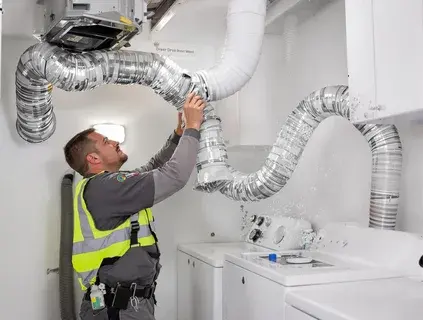
Laundry day has a way of becoming more complicated when the dryer suddenly takes longer than expected. A load that normally finishes in one cycle may need extra time, while the laundry room starts feeling warmer and clothes come out hotter than usual.
These changes are easy to overlook. After all, dryers naturally produce heat, and busy homeowners may simply assume the appliance is getting older. But when drying performance gradually changes, the vent system deserves some attention.
Charlotte homes deal with plenty of heat and humidity throughout the year. Add frequent laundry loads, lint buildup, long vent pathways, or a cramped laundry area, and airflow can become less efficient.
A clean, properly maintained vent system helps heated, moisture-filled air leave the dryer as intended. That is why Laundry Duct Cleaning can be a practical part of keeping your laundry routine running smoothly.
Why Laundry Vent Airflow Matters
Your dryer depends on airflow just as much as it depends on heat.
During a cycle, warm air passes through damp clothing and picks up moisture. That humid air needs to travel through the vent and exit outdoors.
When lint or debris restricts that pathway, the dryer may have a harder time moving air. The result can be longer cycles, excess heat, and more frustration every time you do laundry.
Common Signs of Restricted Airflow
Watch for changes such as:
-
Clothes taking longer to dry
-
Damp clothing after a completed cycle
-
A noticeably warmer laundry room
-
Clothes feeling unusually hot
-
Weak airflow outside the home
-
More lint collecting around the dryer area
-
A dryer that seems to run longer than it used to
One sign by itself may not identify the exact cause. Several signs appearing together, however, are worth investigating.
Real Problems Charlotte Homeowners Deal With
Laundry vent problems are rarely convenient. They often appear when homeowners already have a full schedule.
Longer Drying Times
A family may start a load before work or school expecting it to be ready later. When the dryer needs another cycle, that simple plan gets thrown off.
Extra cycles also mean the appliance operates for longer periods. If the underlying airflow problem remains, repeatedly adding more drying time does not address the cause.
An Overheated Laundry Area
A laundry room that becomes noticeably hot during dryer operation can be uncomfortable, especially during Charlotte's warmer months.
If the dryer is producing more heat than normal or the room remains warm after the cycle, check whether airflow is being restricted.
Unexpected Appliance Strain
Homeowners often focus on the dryer itself when performance changes. Sometimes the vent system is part of the problem.
A restricted pathway can make it harder for the dryer to remove moisture efficiently. Before assuming the appliance needs replacement, it makes sense to evaluate the vent system.
Charlotte Weather Adds Another Layer
Charlotte experiences hot, humid summers, while spring and fall can bring changing temperatures and varying moisture levels.
In areas such as Ballantyne, Dilworth, Plaza Midwood, and University City, homes range from newer construction to older properties with different layouts and vent configurations.
That matters because not every laundry vent system is designed the same way.
A short, accessible vent may be relatively straightforward to maintain. Another home may have a longer pathway with several bends before the vent reaches the exterior.
Why Local Conditions Matter
Humidity does not necessarily cause a vent blockage by itself, but it can make efficient moisture removal particularly noticeable during dryer use.
When the dryer cannot move moist air outside efficiently, laundry may take longer to finish. Keeping the vent pathway clear helps the dryer perform the job it was designed to do.
Practical Ways to Keep Your Vent System Clear
Good maintenance starts with a few simple habits.
1. Clean the Lint Filter Every Time
Remove lint from the dryer screen after every load.
Do not assume a filter that looks mostly clean can be left for several cycles. Regular removal keeps the filter ready for the next load and supports proper airflow through the appliance.
2. Keep the Dryer Area Uncluttered
Avoid storing clothing, cardboard boxes, baskets, or cleaning supplies directly against the dryer.
A clear area makes it easier for air to circulate and allows you to notice unusual heat, odors, or lint buildup.
3. Pay Attention to Drying Performance
You know approximately how long your regular laundry loads normally take.
If towels, bedding, or everyday clothing suddenly need significantly more time, make a note of the change. A gradual performance decline is one of the easiest warning signs to dismiss.
4. Look at the Exterior Vent
If it is safe to do so, observe the exterior vent while the dryer is operating.
You should generally see the vent flap opening as air moves outside. Weak airflow or little movement can be a reason to arrange a closer inspection.
Do not put your hands or tools inside the vent opening. Leave difficult-to-access areas to someone equipped to inspect and clean them safely.
When Home Maintenance Is Not Enough
Cleaning the lint filter is essential, but it does not clean the entire vent pathway.
Lint can accumulate farther inside the duct, particularly when the vent has a long route or has not received professional attention for an extended period.
You may want to consider professional Laundry Duct Cleaning Near Me if you are seeing persistent warning signs despite maintaining the lint filter.
Professional service can help identify buildup and airflow restrictions that are not visible from the front of the dryer.

How Professional Service Can Help
Best Way Dryer Vent Cleaning provides homeowners with a practical way to address vent-system maintenance without turning it into a complicated project.
A professional appointment may include:
-
Examining the accessible vent system
-
Looking for lint and debris buildup
-
Checking for airflow restrictions
-
Cleaning accumulated material from the vent pathway
-
Identifying obvious venting concerns
-
Confirming improved airflow after cleaning
-
Explaining maintenance recommendations
The purpose is straightforward: help the vent move moisture and heated air outdoors more effectively.
That can make a noticeable difference when a dryer has started taking longer to complete ordinary loads.
Choosing a Local Service You Can Trust
Homeowners should feel comfortable asking questions before allowing anyone to work on their dryer vent system.
When comparing Laundry Duct Cleaning Charlotte NC services, look for clear communication rather than complicated promises.
Questions Worth Asking
Consider asking:
-
What does the service include?
-
Will the accessible vent pathway be inspected?
-
Is pricing explained before work begins?
-
How long should the appointment take?
-
Will the technician explain any problems found?
-
Is the company experienced with residential dryer vents?
A trustworthy service provider should be willing to explain the process in plain language.
You should also look for professional communication, reasonable scheduling options, and respect for your home.
Small Habits Can Prevent Bigger Frustrations
You do not need to wait until the dryer stops working to pay attention to its performance.
A few seconds spent cleaning the lint screen after each load can become an easy household habit. Watching for longer drying times or unusual heat can also help you notice changes before they become disruptive.
For homeowners who do a lot of laundry, periodic professional maintenance can provide another layer of reassurance.
The goal is not to overcomplicate dryer care. It is simply to keep the airflow pathway in good condition and respond when something seems different.
FAQ
Q 1. How often should a laundry vent be cleaned?
Ans: Cleaning frequency depends on dryer use, vent length, configuration, and lint accumulation. Homes with frequent laundry may require more regular attention.
Q 2. What are the signs that a laundry vent needs cleaning?
Ans: Longer drying times, unusually hot clothing, excess heat around the dryer, weak exterior airflow, and recurring lint buildup can indicate that the vent needs attention.
Q 3. Can a clogged laundry vent increase drying time?
Ans: Yes. Restricted airflow can make it harder for moisture-filled air to leave the dryer, which may cause loads to take longer to dry.
Q 4. Does cleaning the lint screen clean the whole vent?
Ans: No. The lint screen captures some lint, but additional lint and debris can accumulate deeper inside the vent pathway.
Q 5. Why is my laundry room so hot when the dryer runs?
Ans: Excessive warmth may be related to restricted airflow, venting problems, or the dryer itself. Persistent changes should be inspected rather than ignored.
Q 6. Is professional laundry duct cleaning necessary?
Ans: Professional service can be useful when buildup is deeper in the vent, airflow remains weak, or the vent pathway is difficult to access safely.
Keep Your Laundry Routine Running Smoothly
A well-maintained laundry vent system can make everyday chores easier. When the dryer moves heated and moisture-filled air efficiently, you are less likely to deal with unexpectedly long cycles, excessive warmth, and repeated loads.
For Charlotte homeowners, paying attention to small changes is often the simplest place to start. Clean the lint filter regularly, keep the dryer area clear, watch for airflow changes, and arrange professional service when routine maintenance is no longer enough.
If your dryer has started taking longer or the laundry area feels hotter than normal, Best Way Dryer Vent Cleaning can help you address the vent system with practical, professional care. Scheduling Laundry Duct Cleaning can be a straightforward step toward better airflow and a smoother laundry routine.