What Makes a Yard Stay Green Through Changing Seasons
Posted by Zamora’s Property Management
Filed in Other 9 views

A healthy lawn can make an outdoor property feel more welcoming, open, and well maintained. Keeping grass in good condition, however, involves more than mowing it whenever it becomes tall. Grass responds to sunlight, rainfall, soil conditions, temperature, foot traffic, and seasonal changes, so its appearance can change considerably throughout the year. Understanding these factors can make it easier to maintain a lawn that remains attractive while also supporting healthy growth.
Lawn Care Services can involve several different aspects of maintaining an outdoor area, from mowing and trimming to watering, soil management, seasonal cleanup, and addressing areas where grass has become thin. For properties in Hendersonville, NC, changing weather conditions make it useful to approach lawn maintenance with a seasonal mindset. A routine that works during one part of the year may need to be adjusted as temperatures, rainfall, and grass growth change.
Understanding What a Lawn Needs
Every lawn has its own growing conditions. Two properties located close to each other can still have very different lawn problems because of differences in shade, drainage, soil, tree coverage, and daily use. Before making major changes, it is useful to understand what is happening beneath and around the grass.
Sunlight and Shade
Sunlight is one of the most important factors affecting grass growth. Open sections of a yard may receive several hours of direct sunlight, while areas beneath mature trees or beside buildings may remain shaded for much of the day. Grass growing in shaded conditions can become thinner and may not respond to the same maintenance routine as grass in an open area.
Trees can provide valuable shade and beauty, so removing them is not necessarily the answer to a struggling lawn. Instead, shaded areas may need different expectations and care. In some situations, adjusting the surrounding landscape can help more sunlight reach the ground without dramatically changing the character of the property.
Soil and Drainage
Healthy grass depends heavily on the condition of the soil. Compacted soil can make it difficult for roots to access air, water, and nutrients, while poorly drained areas may remain wet for extended periods. On the other hand, very dry sections may struggle during periods of limited rainfall.
Observing how water behaves after rain can reveal useful information about the lawn. Areas where water consistently collects may require attention to drainage, grading, or surrounding planting. Addressing the underlying condition can be more effective than repeatedly treating the visible symptoms.
Lawn Care Services and Seasonal Maintenance
Seasonal maintenance is important because grass does not grow at the same rate throughout the year. Temperature and moisture influence growth, while fallen leaves, winter conditions, and periods of summer heat can create different challenges. Lawn Care Services Hendersonville NC may include different maintenance approaches depending on the season and the condition of the property.
Spring Growth
Spring often brings renewed growth to outdoor spaces. Grass can become more active as temperatures rise, while weeds and other unwanted growth may also become more noticeable. This period can be useful for inspecting the lawn after winter and identifying thin, damaged, or compacted areas.
Spring maintenance may include cleaning away accumulated debris, checking drainage, adjusting mowing practices, and observing areas that did not recover evenly. Taking care of these issues early can help prevent small problems from becoming more difficult to manage later in the growing season.
Summer Conditions
Summer can place considerable stress on grass, particularly during periods of high temperatures or limited rainfall. Mowing too aggressively or allowing the lawn to become excessively dry can weaken the appearance of grass.
Watering practices should account for local conditions rather than following a rigid schedule. Soil type, rainfall, sunlight, and grass variety can all affect how much moisture is needed. Watering deeply and appropriately can often be more useful than frequent shallow watering, although the ideal approach depends on the particular lawn.
Mowing for Healthier Growth
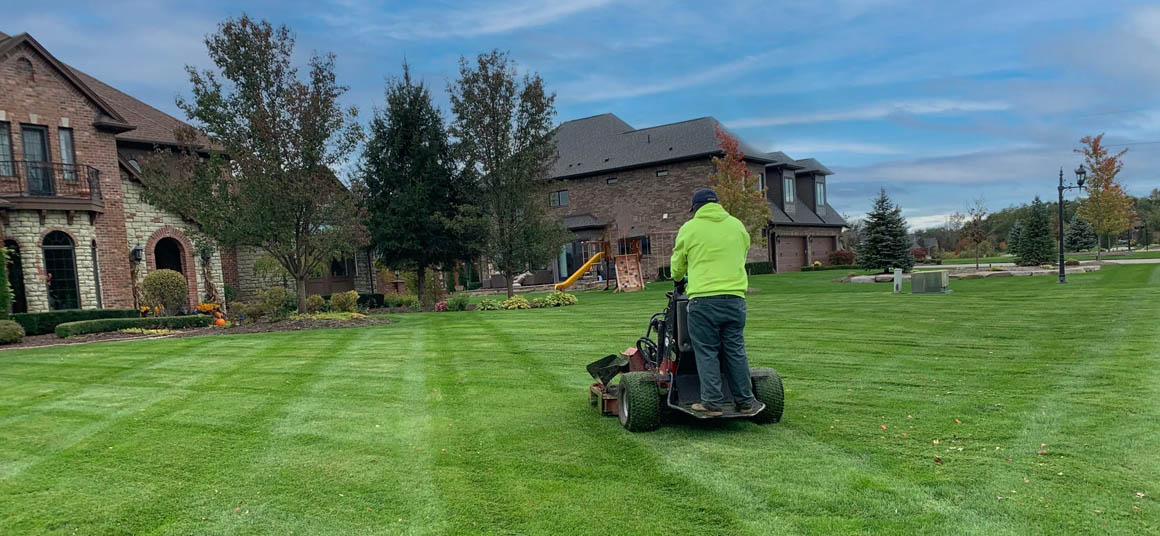
Mowing is one of the most regular lawn maintenance activities, but the way grass is cut can influence its overall condition. Cutting too much at one time can place unnecessary stress on the grass, while allowing the lawn to become excessively tall can make mowing more difficult.
Choosing the Right Cutting Height
Different grass varieties have different preferred mowing heights. Maintaining an appropriate height can help protect the soil from excessive sunlight and reduce moisture loss. It can also allow grass to develop a stronger root system under suitable growing conditions.
The exact height should be based on the type of grass and seasonal conditions. Rather than aiming for an extremely short lawn, it is generally more useful to maintain a consistent height that supports healthy growth.
Keeping Equipment in Good Condition
Mowing equipment should also be maintained properly. Dull blades can tear grass instead of producing clean cuts, which may leave the lawn looking uneven. Regular inspection and maintenance of equipment can contribute to cleaner results.
Mowing patterns can also be varied rather than repeatedly following the same route. This can help reduce excessive compaction and prevent visible lines from becoming overly pronounced.
Managing Weeds Without Ignoring the Cause
Weeds can appear even in well-maintained lawns. Their presence may indicate open soil, thin grass, excess moisture, compacted ground, or other conditions that create opportunities for unwanted plants to establish themselves.
Why Thin Areas Matter
A dense lawn leaves fewer open spaces for weeds to occupy. When grass becomes thin, sunlight can reach bare soil and create favorable conditions for unwanted growth. This is why simply removing visible weeds may not solve the broader issue.
Improving the underlying lawn can help reduce recurring problems. Depending on the situation, this may involve adjusting mowing practices, addressing soil conditions, improving drainage, or introducing appropriate grass in areas that have become sparse.
Maintaining Garden and Lawn Boundaries
Weeds can also move between planting beds and lawn areas. Clearly defined borders can make these areas easier to manage and maintain. Mulch, edging, stone, or other suitable materials can provide a visible separation.
A clean transition between lawn and garden beds also improves the overall appearance of the property. It gives each area a clear purpose while making routine mowing and garden maintenance more straightforward.
Supporting Grass During Dry Periods
Periods of limited rainfall can affect the color and growth of grass. Some lawns naturally slow down during stressful conditions, while others may require additional attention to prevent excessive deterioration.
Understanding Watering Needs
Water requirements depend on several factors, including soil type, grass variety, temperature, sunlight, and recent rainfall. Rather than watering automatically every day, observing the condition of the lawn and soil can provide a better indication of when additional moisture may be needed.
Early morning is often a practical time for watering because temperatures are generally lower and evaporation may be reduced. However, local weather and water restrictions should always be considered when developing a routine.
Avoiding Excessive Water
Too much water can create its own problems. Constantly wet soil may encourage certain lawn diseases and can contribute to weak root development. Poor drainage can make this issue even more noticeable.
A balanced approach focuses on maintaining suitable moisture rather than keeping the soil continuously saturated. The needs of different lawn sections may also vary depending on their exposure to sun and shade.
Preparing for Autumn Changes
Autumn introduces another set of lawn maintenance considerations. Falling leaves can cover grass and block sunlight if they are allowed to remain for long periods. Wet leaf layers can also create an environment where lawn problems develop.
Managing Fallen Leaves
Regular removal of leaves can help keep grass exposed to air and sunlight. Leaves can be collected, mulched where appropriate, or moved into suitable garden areas depending on the property and local practices.
Removing leaves does not mean every natural material needs to disappear from the landscape. Some organic material can be useful in garden beds, but thick layers directly covering grass may need to be addressed.
Observing Seasonal Lawn Changes
Grass may naturally change color or growth rate as temperatures shift. Not every change in appearance indicates a serious problem. Understanding normal seasonal behavior can help distinguish between natural changes and conditions that require attention.
A lawn should be evaluated over time rather than based on a single day or week. Patterns can provide more useful information about whether a particular area is improving, declining, or simply responding to seasonal conditions.
Preparing Outdoor Areas for Winter
Winter preparation can help protect a lawn and surrounding landscape from unnecessary stress. The exact requirements depend on grass type, weather patterns, and property conditions.
Reducing Unnecessary Traffic
Repeated foot traffic on wet or dormant grass can create compacted areas and visible paths. Redirecting traffic during vulnerable periods can help protect the lawn and reduce damage.
This is particularly relevant for frequently used entrances, play areas, and routes between outdoor features. Creating a practical pathway can prevent people from repeatedly walking across the same lawn section.
Cleaning Before Colder Weather
Removing excessive leaves, branches, and other debris can help keep the lawn and surrounding landscape organized before winter conditions become more severe. It is also a useful opportunity to inspect drainage and identify areas that may require attention later.
Seasonal cleanup does not have to involve changing the entire yard. Simple preparation can make it easier to begin the next growing season with a clearer understanding of what worked and what needs adjustment.
How Soil Conditions Affect Grass
The visible condition of grass is often connected to what is happening beneath the surface. Soil provides the environment in which roots develop, so poor soil conditions can affect lawn growth even when mowing and watering routines appear appropriate.
Compaction Problems
Soil can become compacted through repeated foot traffic, vehicles, construction activity, or natural settling. Compacted soil has fewer spaces for air and water, which can make it more difficult for roots to grow effectively.
Areas with heavy use may therefore require additional attention. Reducing unnecessary traffic and improving soil structure where appropriate can support stronger lawn growth over time.
Organic Material and Soil Health
Organic material can contribute to soil structure and nutrient availability. Grass clippings, leaves, and other natural materials can sometimes be managed in ways that return useful material to the landscape.
However, the amount and type of organic material should be appropriate for the lawn. Excessive layers can block light and airflow, so balance is important.
Creating a More Consistent Lawn Appearance
A lawn does not need to look identical across every part of the property. Differences in shade, soil, and moisture are natural. However, noticeable variations can sometimes indicate areas that require different maintenance.
Identifying Problem Areas
Bare patches, unusually thin grass, standing water, excessive weeds, and uneven growth can all provide clues about local conditions. Instead of treating the entire yard in the same way, identifying these sections can make maintenance more targeted.
A shaded area may need a different approach from a sunny section, while a low-lying area may have different requirements from a dry slope. Understanding these differences can lead to more practical maintenance decisions.
Maintaining Clear Edges
Edges around driveways, sidewalks, patios, and planting beds can have a significant effect on the appearance of a lawn. Neat transitions make the entire property look more organized without requiring major changes.
Regular trimming around difficult-to-mow areas can also help maintain these boundaries. Small maintenance details often contribute strongly to the overall appearance of an outdoor space.
A Simple Seasonal Lawn Checklist
| Season | Areas to Consider |
|---|---|
| Spring | Growth, weeds, soil, drainage |
| Summer | Watering, mowing, heat stress |
| Autumn | Leaves, cleanup, lawn condition |
| Winter | Traffic, debris, drainage |
For property owners researching Lawn Care Services Hendersonville NC, understanding these seasonal differences can make it easier to determine which parts of lawn maintenance deserve attention at different times of the year. A consistent routine combined with observation can help prevent small issues from becoming larger problems.
Maintaining a Lawn Over the Long Term
A healthy lawn is usually the result of consistent care rather than one major treatment. Regular observation can reveal changes before they become extensive. A section that looks slightly thinner than usual may be easier to correct early than after the grass has completely disappeared.
For homeowners in Hendersonville, NC, Lawn Care Services Hendersonville NC can involve different maintenance needs throughout the year. Mowing, watering, seasonal cleanup, soil observation, weed management, and attention to drainage can all contribute to the long-term condition of an outdoor space.
The most effective routine is one that fits the actual property. A heavily shaded yard should not be managed exactly like an open lawn with full sunlight, and a property with drainage problems may require different attention from one with naturally well-drained soil. Understanding these differences allows lawn maintenance to become more practical and consistent.
Final Thoughts
Keeping a lawn healthy through changing seasons requires observation, consistency, and an understanding of local growing conditions. Mowing practices, watering, soil health, sunlight, drainage, seasonal cleanup, and foot traffic can all influence the appearance and strength of grass.
Lawn Care Services Hendersonville NC can cover a broad range of maintenance considerations, but the underlying goal remains the same: creating an outdoor area that can continue to grow and function well as conditions change. By paying attention to seasonal patterns and responding to the specific needs of each part of the property, homeowners can maintain a lawn that remains a useful and attractive part of the outdoor environment.