Categories
Tags
When Should You Consider Septoplasty in Islamabad?
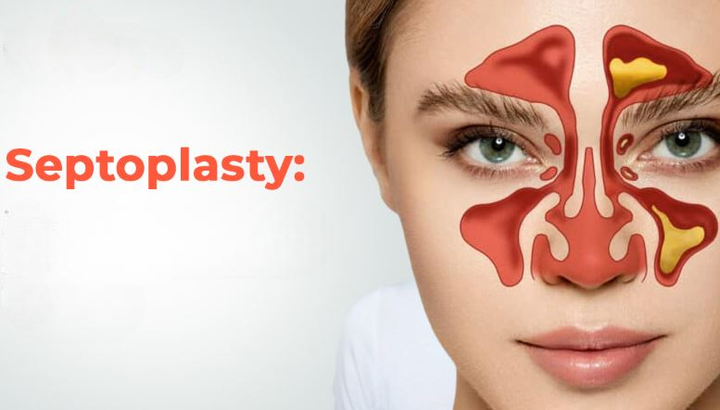
Breathing comfortably through your nose is something most people take for granted—until it becomes difficult. Persistent nasal blockage, frequent sinus infections, snoring, and sleep disturbances can all point to an underlying structural issue inside the nose. In many cases, the problem is a deviated nasal septum, and this is where Septoplasty in Islamabad may become an important treatment option.
Septoplasty is a surgical procedure that corrects a crooked or displaced nasal septum, improving airflow and restoring normal breathing. However, not everyone with a deviated septum needs surgery. Knowing when to consider septoplasty is essential for making the right decision at the right time.
This guide explains the key signs, symptoms, and situations where septoplasty may be recommended.
Understanding the Role of the Nasal Septum
The nasal septum is a thin structure made of cartilage and bone that divides the nose into two passages. When it is properly aligned, air flows evenly through both nostrils.
A deviated septum occurs when this structure shifts to one side, narrowing one or both nasal passages. This can lead to breathing difficulties and other long-term nasal problems.
In mild cases, people may not notice any symptoms. In more severe cases, it can significantly affect daily life and sleep quality.
Persistent Nasal Blockage
One of the most common reasons to consider Septoplasty in Islamabad is ongoing nasal blockage.
You may need evaluation if you experience:
- Constant difficulty breathing through one nostril
- Alternating blockage that never fully improves
- Feeling of congestion even without a cold
- Worsening symptoms at night
Unlike temporary congestion caused by allergies or infections, structural blockage does not improve with medication alone.
Frequent Sinus Infections
If you suffer from repeated sinus infections, a deviated septum could be contributing to the problem.
A crooked septum can block proper drainage of the sinuses, leading to:
- Bacterial buildup
- Pressure in the face
- Headaches
- Recurring infections
When infections become frequent despite treatment, septoplasty may help improve drainage and reduce recurrence.
Difficulty Breathing During Sleep
Sleep-related breathing issues are another strong indicator.
You may consider Septoplasty in Islamabad if you notice:
- Mouth breathing at night
- Waking up feeling tired
- Restless sleep
- Dry mouth in the morning
Poor nasal airflow often forces the body to rely on mouth breathing, which affects sleep quality and oxygen intake.
Snoring That Affects Quality of Life
Snoring is often linked to nasal obstruction. When airflow is blocked, vibrations in the airway increase during sleep.
Septoplasty may help if:
- Snoring is loud and frequent
- It disturbs your partner’s sleep
- It is associated with nasal blockage
- It worsens when lying on your back
However, if snoring is caused by sleep apnea or throat-related issues, additional treatments may be required.
Reduced Sense of Smell or Taste
In some cases, nasal blockage caused by a deviated septum can reduce airflow to the upper nasal cavity, affecting smell and taste.
You may notice:
- Reduced ability to smell strong scents
- Blunted taste perception
- Difficulty detecting odors
Improving nasal airflow through surgery can help restore these senses in some patients.
Nasal Trauma or Injury
If you have experienced a nose injury in the past, you may develop a deviated septum that worsens over time.
Common causes include:
- Sports injuries
- Accidents or falls
- Physical impact to the face
If breathing problems begin or worsen after trauma, septoplasty may be necessary to restore normal nasal structure.
Poor Response to Medication
Many patients try medications before considering surgery.
You may need Septoplasty in Islamabad if:
- Nasal sprays provide only temporary relief
- Antihistamines do not improve symptoms
- Decongestants stop working over time
- Symptoms return after stopping medication
Structural issues cannot be permanently corrected with medicine, making surgery a more effective solution.
Headaches and Facial Pressure
A deviated septum can sometimes contribute to pressure in the nasal and facial areas.
You may experience:
- Frequent headaches
- Pressure around the eyes or forehead
- Discomfort in the nasal bridge
- Feeling of heaviness in the face
If these symptoms are linked to nasal blockage, septoplasty may help relieve them.
Impact on Daily Activities
Consider septoplasty if nasal obstruction affects your lifestyle.
This may include:
- Reduced exercise performance
- Difficulty breathing during physical activity
- Fatigue due to poor sleep
- Reduced concentration at work or school
When symptoms begin to interfere with daily functioning, surgical treatment becomes more relevant.
When Doctors Recommend Septoplasty
ENT specialists may recommend Septoplasty in Islamabad after a detailed evaluation.
Doctors typically consider surgery when:
- The deviated septum is severe
- Symptoms are long-lasting
- Non-surgical treatments fail
- Quality of life is significantly affected
- Other nasal conditions have been ruled out
A proper diagnosis is essential before deciding on surgery.
Who May Not Need Surgery
Not everyone with a deviated septum requires septoplasty.
You may not need surgery if:
- Symptoms are mild
- Breathing is mostly normal
- Medication controls discomfort
- No significant impact on daily life
In such cases, doctors may suggest observation or medical management instead.
What to Expect After Deciding on Surgery
If septoplasty is recommended, the process typically includes:
- Pre-surgical evaluation
- Nasal examination and tests
- Discussion of expectations
- Surgical planning
- Post-operative recovery guidance
The procedure itself is usually completed within 30 to 90 minutes and is performed inside the nose without external scars.
Recovery and Improvement
After surgery, improvement is gradual.
Patients often notice:
- Better breathing within a few weeks
- Reduced congestion
- Improved sleep quality
- Fewer sinus infections
- Increased comfort during daily activities
Full healing may take several months.
Final Thoughts
Knowing when to consider Septoplasty in Islamabad is important for managing long-term nasal problems effectively. Persistent nasal blockage, frequent sinus infections, snoring, sleep disturbances, and poor response to medication are key signs that surgery may be needed.
While not everyone requires septoplasty, those whose quality of life is affected by structural nasal issues often experience significant improvement after treatment. Consulting an ENT specialist ensures proper diagnosis and helps determine whether septoplasty is the right solution for long-term breathing comfort and better overall health.