When Do You Need Bone Grafting for Dental Implants?
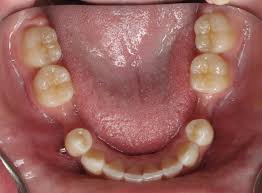
Dental implants are one of the most effective and long-lasting solutions for replacing missing teeth. However, not everyone is immediately eligible for implant placement. A strong and healthy jawbone is essential for supporting implants, and when bone volume is insufficient, bone grafting becomes necessary. Understanding when bone grafting is required can help patients make informed decisions about their treatment. This guide explains the situations in which bone grafting in Islamabad is needed before dental implants.
Why Jawbone Strength Is Crucial for Dental Implants:
Dental implants act as artificial tooth roots and must fuse with the jawbone through a process called osseointegration. Without adequate bone density and volume, implants may fail to integrate properly.
Healthy jawbone ensures:
-
Implant stability
-
Long-term durability
-
Proper bite alignment
-
Natural-looking results
Bone grafting restores lost bone and creates a stable foundation for implants.
What Is Bone Grafting?
Bone grafting is a dental procedure used to rebuild or replace missing jawbone. Graft material is placed in areas where bone has deteriorated, encouraging new bone growth over time. Once the graft integrates with the natural bone, implants can be placed safely.
Many patients require bone grafting in Islamabad as part of their implant treatment plan.
Signs You May Need Bone Grafting Before Implants:
A dental examination and imaging are required to confirm bone loss, but certain signs often indicate the need for grafting.
Long-Term Tooth Loss:
When teeth have been missing for months or years, the jawbone gradually shrinks due to lack of stimulation. This is one of the most common reasons bone grafting is required.
Advanced Gum Disease:
Periodontal disease damages the bone supporting the teeth. Severe cases often leave insufficient bone for implants, making grafting essential.
Bone Loss After Tooth Extraction:
If a tooth extraction site is not preserved, bone loss can occur quickly. Socket preservation bone grafting can prevent this problem.
Trauma or Injury to the Jaw:
Accidents, fractures, or facial injuries can result in bone damage that must be repaired before implant placement.
Previous Denture Use:
Long-term denture wear accelerates jawbone resorption, often requiring bone grafting before implant treatment.
Insufficient Bone Width or Height:
Even if bone is present, it may be too narrow or shallow to support an implant. Ridge augmentation or sinus lift procedures can restore adequate dimensions.
Types of Bone Grafting Used for Dental Implants:
Different grafting techniques are used depending on the extent and location of bone loss.
Socket Preservation Grafting:
Performed immediately after tooth extraction to maintain bone volume and prepare the site for future implants.
Ridge Augmentation:
Rebuilds the jawbone ridge when it has become too narrow or flat for implant placement.
Sinus Lift Bone Grafting:
Used in the upper jaw to increase bone height near the sinus cavity, allowing secure implant placement.
Block Bone Grafting:
Involves placing a solid block of bone in areas with severe bone loss for major reconstruction.
How Dentists Determine the Need for Bone Grafting:
Dentists use advanced diagnostic tools to assess jawbone condition.
Clinical Examination:
The dentist evaluates gum health, bite alignment, and missing teeth.
Digital X-Rays and 3D Scans:
Imaging reveals bone density, volume, and structural integrity.
Personalized Treatment Planning:
Based on findings, the dentist recommends whether bone grafting is needed before implants.
Bone Grafting Procedure: What to Expect:
-
Consultation and Diagnosis – Assessment of bone loss
-
Treatment Planning – Selection of graft type
-
Bone Graft Placement – Graft material is placed in the deficient area
-
Healing Period – Bone integrates over several months
-
Dental Implant Placement – Implant is placed once the bone is ready
Healing Time Before Dental Implant Placement:
Healing typically takes 3 to 6 months, depending on the size of the graft and patient health. Adequate healing ensures implant stability and long-term success.
Is Bone Grafting Painful?
Bone grafting is performed under local anesthesia, making the procedure comfortable. Mild swelling and soreness afterward are normal and can be managed with medication.
Bone Grafting Cost in Islamabad: What Influences the Price?
The bone grafting cost in Islamabad depends on several factors:
-
Type of graft material used
-
Severity of bone loss
-
Additional procedures like sinus lifts
-
Experience of the dental clinic
Although it adds to initial treatment cost, bone grafting reduces the risk of implant failure and future expenses.
Benefits of Bone Grafting Before Dental Implants:
Bone grafting offers long-term advantages:
-
Strong implant foundation
-
Higher success rates
-
Improved facial structure
-
Long-lasting and natural results
What Happens If Bone Grafting Is Skipped?
Placing implants without sufficient bone can lead to:
-
Implant loosening or failure
-
Infection
-
Bone deterioration
-
Costly corrective procedures
Bone grafting ensures safe and predictable outcomes.
Final Thoughts:
Bone grafting is a crucial step for many patients seeking dental implants. It restores jawbone strength, improves implant stability, and ensures long-term success. With expert care, bone grafting in Islamabad offers reliable and effective solutions for patients with bone loss. Considering its long-term benefits, the bone grafting cost in Islamabad is a worthwhile investment in restoring your smile and oral health.
For more information visit Dental Clinic Islamabad.