Improve Bulging Leg Veins Appearance with Sclerotherapy
Posted by Asthetic health care
Filed in Health 35 views
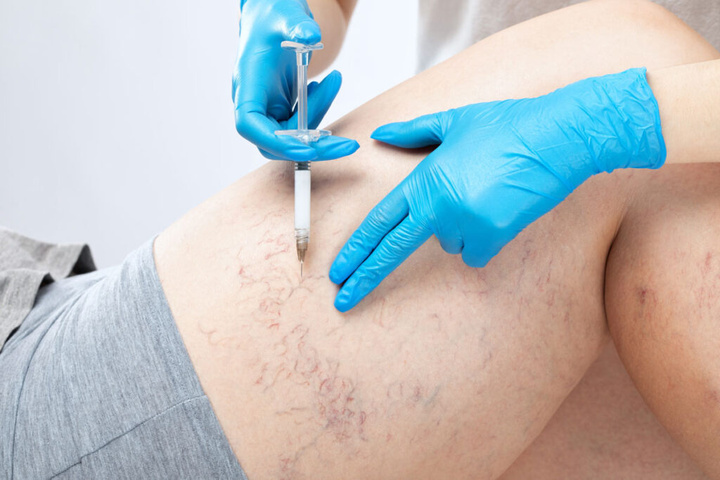
Bulging leg veins can make the skin look uneven and may sometimes be accompanied by heaviness, aching, swelling, or discomfort. For people looking to improve the appearance of visible varicose veins, Sclerotherapy Dubai offers a minimally invasive treatment approach that works by closing selected problem veins and allowing blood to redirect through healthier vessels.
Sclerotherapy has been used to treat enlarged veins and is particularly useful for certain small to medium-sized varicose veins. The treatment can address both cosmetic concerns and some symptoms associated with problematic superficial veins.
Why Do Leg Veins Become Bulging and Visible?
Veins carry blood back toward the heart, working against gravity in the legs. Inside healthy veins are small one-way valves that help prevent blood from flowing backward.
When these valves become weak or stop functioning properly, blood can collect within the superficial veins. Increased pressure may cause the veins to become enlarged, twisted, and more noticeable beneath the skin. Varicose veins commonly appear as blue, purple, or skin-colored raised lines or cords.
Several factors may contribute to visible varicose veins, including:
- Family history of vein problems
- Increasing age
- Long periods of standing or sitting
- Pregnancy
- Reduced movement
- Increased pressure on the veins
- Changes in the vein walls or valves
Not every visible vein requires treatment. However, when bulging veins become uncomfortable or are a persistent cosmetic concern, professional assessment can help determine whether treatment is appropriate.
How Does Sclerotherapy Improve Bulging Veins?
Sclerotherapy works by introducing a specially selected solution, known as a sclerosant, into the targeted vein. The solution irritates the inner lining of the vein, causing it to close. Blood is then redirected through other functioning veins, while the treated vessel gradually shrinks and becomes less visible.
Foam sclerotherapy may also be used for certain varicose veins. In this technique, the sclerosant is prepared as foam, allowing it to spread within the targeted vessel. Ultrasound guidance can be used to help position the treatment accurately, particularly when treating veins that are not easily assessed from the skin's surface.
The objective is not simply to make a vein disappear immediately. Instead, the treated vessel gradually closes and is naturally processed by the body over time.
What Happens During Sclerotherapy?
One of the appealing aspects of sclerotherapy is that it generally does not require major incisions. The treatment process begins with an assessment of the veins and, when necessary, imaging such as a venous ultrasound to evaluate blood flow and determine which veins should be treated.
During the procedure, the treatment area is cleaned before the sclerosant is carefully introduced into the selected vein. Depending on the type and location of the vein, ultrasound guidance may be used.
A person may experience mild stinging, cramping, or temporary discomfort during an injection. Afterward, pressure or compression may be applied to the treated area.
Most people can walk shortly after treatment. Maintaining movement is generally encouraged because walking supports circulation and helps reduce the risk of blood clots. Specific aftercare instructions can vary depending on the veins treated and the technique used.
When Can You Expect Visible Improvement?
Sclerotherapy does not usually produce its final cosmetic effect immediately. Treated veins may gradually become less noticeable over several weeks as the body processes the closed vessel.
Mayo Clinic notes that treated veins often fade within a few weeks, while full improvement can take a month or longer. Some veins may require more than one treatment depending on their size, number, and response.
This gradual process is important to understand. Temporary bruising, swelling, tenderness, or skin discoloration can occur after treatment and may take time to settle. Following the recommended aftercare routine can help support the healing process.
Benefits of Choosing Sclerotherapy for Visible Veins
For appropriately selected veins, sclerotherapy can provide several potential advantages:
- Minimally invasive approach: Treatment uses injections rather than surgical removal.
- Targets specific veins: Individual visible veins can be treated directly.
- Improved appearance: Treated veins can gradually become less noticeable.
- Potential symptom relief: Some people experience improvement in aching, swelling, burning, or cramping associated with varicose veins.
- Little disruption: Sclerotherapy is commonly performed as an outpatient procedure, and many people return to routine activities relatively quickly.
The suitability of treatment depends on the individual's vein pattern, symptoms, medical history, and the condition of the surrounding circulation.
Is Sclerotherapy Suitable for Everyone?
Sclerotherapy is not automatically the right solution for every visible leg vein. A proper assessment is important before treatment, particularly when veins are large, painful, associated with significant swelling, or accompanied by skin changes.
A healthcare professional may recommend ultrasound assessment when deeper or larger veins need to be evaluated. This helps identify abnormal blood flow and determine which treatment approach may be suitable.
People should also discuss existing medical conditions, previous blood clots, allergies, medications, and other relevant health factors before undergoing treatment. Pregnancy and breastfeeding may also affect whether sclerotherapy should be performed at that time.
Supporting Healthy-Looking Legs After Treatment
Sclerotherapy addresses selected problematic veins, but maintaining healthy circulation remains important. Regular movement, avoiding prolonged periods in one position, and following recommended compression instructions may support recovery.
For people living in Dubai, daily routines can sometimes involve long periods of sitting, standing, commuting, or limited movement. Building regular walking and movement breaks into the day can be a useful part of general vein care.
It is also important to follow individual post-treatment instructions rather than assuming that every person requires the same recovery routine.
Understanding the Possible Side Effects
Like any medical procedure, sclerotherapy can have side effects. Temporary bruising, swelling, inflammation, tenderness, or changes in skin color may occur around treated areas. Most minor effects improve with time, although some discoloration can take longer to disappear.
More serious complications, including blood clots, are uncommon but possible. Severe leg swelling or pain, chest pain, breathing difficulty, dizziness, or coughing up blood requires urgent medical attention.
For this reason, treatment should always be performed following an appropriate medical evaluation rather than based solely on cosmetic appearance.
A More Refined Approach to Bulging Leg Veins
Bulging veins can affect how the legs look and, in some cases, how they feel. Sclerotherapy offers a targeted method of closing selected superficial veins so they can gradually fade from view, while circulation is redirected through healthier vessels.
For those considering Sclerotherapy Dubai, the first step should be a professional vein assessment. Understanding the cause and extent of visible veins makes it easier to determine whether sclerotherapy is appropriate and what type of treatment may be suitable.
With realistic expectations, appropriate evaluation, and proper aftercare, sclerotherapy can be an effective option for improving the appearance of selected bulging leg veins.
Frequently Asked Questions
1. Does sclerotherapy completely remove bulging leg veins?
Treated veins can gradually fade as they close and are processed by the body, but results vary. Some veins may require additional treatment.
2. Is sclerotherapy painful?
Some people experience mild stinging, cramping, or temporary discomfort during injections. The level of discomfort can vary depending on the individual and the veins being treated.
3. How soon can I return to normal activities?
Many people can walk and resume most routine activities soon after treatment, although strenuous exercise may be restricted for a period based on individual medical advice.
4. Can sclerotherapy treat every type of varicose vein?
No. Sclerotherapy is generally most effective for selected small to medium-sized veins. Larger or more complex veins may require a different approach or combination of treatments.