Top Luxury Interior Designers in Delhi NCR: Cost & Tips
Posted by Beliving Interior
Filed in Arts & Culture 18 views
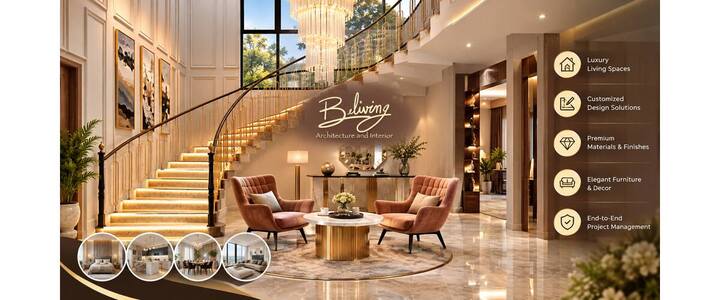
Designing a luxury home in Delhi NCR involves much more than choosing expensive furniture, marble, or decorative finishes. A successful interior should reflect the homeowner's lifestyle while maintaining comfort, functionality, storage, visual balance, and long-term usability. For homeowners exploring Top Luxury Interior Designers in Delhi NCR, the first step is understanding what the project actually requires. Property size, layout, material quality, customization, civil work, furniture, lighting, and execution all influence the final investment.
Current Delhi NCR market references indicate that luxury residential interiors can start around ₹3,500 per sq. ft. and move substantially higher depending on specifications and customization. These are planning ranges rather than fixed market quotations.
The right approach is to define your requirements first, establish the scope, compare detailed proposals, and then finalize the designer.
Understanding Luxury Interior Design for Delhi NCR Homes
Interior design is not just about giving a house a fancy look. It requires making an integrated interior space where architecture, furniture, lighting, materials, colors, storage and technology come together.
Even premium interiors need to take into account how the people using the property will interact with it daily. A family with kids would have different needs for storage and furniture compared to a couple who loves to entertain their guests often.
This is true even for different types of properties. The approach needed to plan for a Gurgaon apartment, South Delhi builder floor, Noida villa or farmhouse might be completely different.
What Usually Defines a Luxury Interior?
A luxury residential project may include:
- Customized furniture and storage
- Premium woodwork and finishes
- Designer or layered lighting
- High-quality flooring and wall treatments
- Bespoke kitchens and wardrobes
- Custom entertainment units
- Premium hardware
- Decorative and architectural detailing
- Smart-home integration
- Carefully selected artwork and accessories
The objective is not to use the most expensive option everywhere. Instead, materials and features should be selected according to their purpose, visibility, durability, and contribution to the overall design.
Home Interior Designers in Delhi: What Should You Look For?
A residential designer should understand the property and the people who will live in it before developing the final concept. Layout, storage, natural light, circulation, furniture requirements, and daily routines can all affect the design.
While evaluating Home Interior Designers in Delhi the quality of their portfolio can serve well, although that shouldn’t be the only criterion to look for. Consider their experience dealing with similar projects.
Beliving Architecture and Interior states that its residential approach considers lifestyle, personality, functionality, storage, colours, furniture, lighting, and finishes. Its website also lists residential solutions for apartments, independent houses, builder floors, duplexes, villas, and farmhouses.
This type of requirement-based planning can help ensure that the finished home is practical as well as visually refined.
Residential Design Should Begin With Lifestyle
Before discussing finishes, identify how each room will be used.
For example, a living room may need flexible seating and entertainment storage, while a bedroom may require a larger wardrobe, dressing area, study corner, or concealed storage.
Kitchens need special attention because workflow, appliance placement, storage, countertop area, and lighting directly affect everyday convenience.
Why Space Planning Matters in Luxury Interiors
Space planning is among the most critical phases in any interior design process since it influences the movement around the house.
Even an aesthetically pleasing room may fail to provide a comfortable environment for people if there is poor circulation or inadequate planning of storage facilities. This means that luxury interior design must create aesthetically pleasing environments without compromising usable space.
Incorporation of built-in storage, multipurpose furniture, concealed cabinets, and careful planning of circulation paths makes houses appear bigger regardless of their actual floor spaces.
Balancing Furniture and Open Space
One common mistake in large homes is filling every available area with furniture and decorative objects.
Luxury interiors often benefit from controlled negative space. Open areas allow important furniture pieces, artwork, lighting, and architectural details to stand out.
The same principle can be applied to smaller apartments. Instead of adding too many decorative elements, designers can use proportion, colour, lighting, and customized storage to create a more spacious appearance.
Planning a Luxury Interior Budget in Delhi NCR
The cost of an interior project depends on much more than the property's size. Material specification, furniture customization, hardware, lighting, civil work, electrical work, appliances, and project management can all affect the final amount.
Current Delhi NCR cost references broadly place luxury interiors around ₹3,500–₹6,000+ per sq. ft., while highly customized projects may move beyond this range.
Another Delhi market guide identifies bespoke and ultra-luxury specifications at significantly higher levels depending on the extent of customization and material selection.
Therefore, homeowners should treat per-square-foot figures as an initial planning tool rather than a final quotation.
Example of a Preliminary Budget
Suppose a homeowner has a 2,000 sq. ft. property and uses ₹4,500 per sq. ft. as a preliminary planning rate.
The indicative calculation would be:
2,000 × ₹4,500 = ₹90 lakh
However, this does not automatically mean the final project will cost ₹90 lakh. The actual amount depends on the contract scope and inclusions.
Appliances, loose furniture, taxes, imported materials, structural changes, premium hardware, and other exclusions may change the final figure.
What Factors Increase Luxury Interior Costs?
The material palette and degree of customization can have a major effect on project cost.
Natural stone, premium veneers, PU finishes, imported hardware, designer lighting, customized furniture, automation, and complex architectural detailing can all increase the investment.
At the same time, not every component needs the highest specification. A more strategic approach is to allocate the budget according to usage and visual importance.
Where Should You Prioritize Investment?
Homeowners can consider spending more on:
- Kitchen functionality
- Frequently used wardrobes
- Quality hardware
- Core carpentry
- Electrical planning
- Lighting
- Durable flooring
- Frequently used furniture
- Waterproofing and essential civil work
Decorative elements can then be selected according to the remaining budget.
This approach can create a premium result without unnecessarily increasing costs in every room.
How to Evaluate Top Luxury Interior Designers in Delhi NCR
Choosing a luxury interior company should involve more than browsing photographs on Instagram, Pinterest, or a website. The important question is whether the designer can successfully translate your requirements into a practical and well-executed space.
Review projects that are similar to your property in size, architecture, style, and customization level. A designer experienced in villas may approach an apartment differently from a designer who specializes primarily in compact homes.
While researching Top Luxury Interior Designers in Delhi NCR look into the entire process that includes consultation, space planning, designing, material selection, drafting, procurement, implementation, supervision and finally handing over the finished product.
Beliving's website presents residential, luxury, villa, farmhouse, modular kitchen, office, and commercial interior services, along with a stated turnkey approach covering design and execution.
Questions to Ask Before Hiring
Before signing a contract, clarify:
- What is included in the quotation?
- Is design included?
- Which materials and hardware are specified?
- Is the BOQ detailed?
- Who manages the site?
- What is the estimated timeline?
- How are design changes charged?
- Which items are excluded?
- What happens after handover?
- Is there a defined snagging process?
These questions make it easier to compare proposals based on actual scope rather than only the headline price.
Choosing Materials for a Luxury Home
The choice of materials impacts the look, longevity, ease of maintenance, and price of the interiors.
Rather than choosing materials separately for each space, a more general material scheme can be created. Materials like certain woods, stones, metals, and color schemes may be repeated to give a sense of unity within the property.
For instance, one can have a wood finish in their wardrobes, living room furniture, and bedrooms without having everything be the same.
Premium Does Not Always Mean Excessive
Too many premium finishes may lead to a visually cluttered space.
In this case, it is important to choose certain focal points. For example, a stone feature wall, statement lighting, custom-made furniture, or elaborate kitchen will be a focal point while the rest of the space is fairly understated.
New designs also reveal an increasing trend in using textured layers as well as combinations of materials like stone, wood, glass, and fabric.
Best Interior Designers in Gurgaon: What Should You Compare?
Gurgaon has a wide range of residential properties, from high-rise apartments and builder floors to independent homes and luxury villas.
Each format creates different interior requirements. Apartments may need better space optimization, while villas can require extensive custom furniture, staircase detailing, multiple wardrobes, entertainment areas, home offices, and larger kitchens.
When choosing the Best Interior Designers in Gurgaon you need to look at their experience with your particular property type and if they understand its architectural constraints and strengths.
A luxury portfolio can demonstrate aesthetic capability, but practical execution experience is equally important.
Gurgaon Homes Need Functional Planning
Houses in Gurgaon could sometimes end up becoming overcrowded because there will be more space for the homeowners to fill.
It would be better to first start with the layout and zoning of the space before furnishing it.
An example would be a spacious living room where the furniture can provide the necessary functions, such as sitting, entertainment storage, lighting, and artwork, as well as circulation of the space.
These are some of the factors that Beliving has listed as part of their philosophy of interior design for residences.
What Should Be Compared Between Gurgaon Designers?
Compare:
- Relevant portfolio experience
- Design methodology
- Material specifications
- Customization level
- Project supervision
- BOQ transparency
- Communication process
- Execution timeline
- Post-handover support
A proposal should clearly identify what is included so that you can make a meaningful comparison.
Step-by-Step Luxury Interior Design Process
A structured design process helps reduce confusion and limits expensive changes during execution.
1. Initial Consultation
The designer first understands the property, lifestyle, design preferences, functional requirements, budget, and expected timeline.
Reference images can be useful, but homeowners should also explain why they like a particular design.
2. Site Measurement and Assessment
The property is measured and assessed for windows, doors, ceiling heights, electrical points, plumbing, natural light, and existing conditions.
This is particularly important for renovation projects.
3. Space Planning
Furniture placement, storage, circulation, room functions, and zoning are developed.
This stage establishes the foundation for the entire interior.
4. Concept Development
The designer develops the colour palette, materials, furniture direction, lighting concept, and architectural details.
The objective is to create a unified design language rather than unrelated room-by-room designs.
5. 3D Visualization
Three-dimensional views help homeowners understand the proposed design before execution.
This stage provides an opportunity to make changes while modifications are still relatively easy.
6. Material Finalization
Once the design is approved, materials, finishes, hardware, colours, and furniture specifications should be finalized.
Physical samples can be useful because digital renders do not always represent texture and colour accurately.
7. BOQ and Cost Confirmation
The Bill of Quantities should clearly describe the project scope.
Homeowners should check quantities, materials, finishes, hardware, labour, installation, and exclusions before approving the execution budget.
8. Execution and Supervision
Execution may include civil work, electrical work, ceiling installation, flooring, carpentry, kitchen installation, wardrobes, painting, lighting, and furniture.
Beliving describes its turnkey process as covering concept development, 3D design, material selection, execution, supervision, and final handover.
9. Quality Check and Handover
Before handover, inspect doors, drawers, hardware, lighting, electrical points, paint, surfaces, plumbing fixtures, and built-in furniture.
Prepare a snag list and ensure incomplete work is addressed.
How to Avoid Budget Overruns
A lot of interior cost budget issues arise because crucial decisions are made after the process has been initiated.
Deciding on changing materials after manufacture, altering positions of electricity after installing ceilings, or altering dimensions of furniture after production would incur further costs.
It is most efficient to make all the crucial decisions prior to production.
Maintain Proper Documentation
Keep records of:
- Approved drawings
- Material specifications
- BOQ
- Payment milestones
- Project schedule
- Approved changes
- Additional-work quotations
- Handover requirements
Recent Delhi NCR cost guidance also identifies planning errors, incomplete specifications, last-minute changes, and underestimated fittings as factors that can increase final expenditure.
Luxury Interior Trends for Delhi NCR Homes
Luxury residential design is increasingly moving toward personalized spaces instead of excessive decoration.
Natural materials, layered textures, warm lighting, customized furniture, concealed storage, and carefully selected statement pieces can create a sophisticated environment.
Smart-home technology can also be integrated into premium homes. Automated lighting, curtains, climate controls, security systems, and entertainment solutions can improve convenience when they are planned during the early design stages.
Personalization Is Becoming More Important
A luxury home should communicate something about its occupants.
This may come through customized furniture, artwork, travel collections, colour preferences, architectural details, or specific spaces designed around hobbies and routines.
The result should feel personal rather than like a showroom.
[A Short Client–Designer Conversation
Client: I want to work with Top Luxury Interior Designers in Delhi NCR for a refined but practical home.
Designer: We can focus on your lifestyle, space planning, premium materials, lighting, and customized details.
Client: Can we maintain a defined budget while keeping the design luxurious?
Designer: Yes, by prioritizing key spaces and finalizing materials and specifications early.]
How to Select the Right Interior Design Company
Start by preparing a short project brief containing your property type, approximate area, location, number of rooms, preferred style, lifestyle requirements, must-have features, and expected investment range.
Then ask shortlisted designers to provide proposals based on the same requirements. This makes the comparison more meaningful.
Do not compare only the final number. Compare what that number includes.
A lower quotation may exclude lighting, loose furniture, premium hardware, civil modifications, appliances, or project supervision. Another proposal may include these items, making its initial figure appear higher even though the scope is broader.
For homeowners considering Beliving Architecture and Interior, its website highlights residential, luxury, villa, farmhouse, modular kitchen, office, and commercial interior services, with an emphasis on customized design, functionality, materials, craftsmanship, and project management.
Final Checklist Before Starting Your Project
Before signing the final agreement, confirm that you have clarity on:
- Project scope
- Design deliverables
- Material specifications
- BOQ
- Payment schedule
- Project timeline
- Site supervision
- Change-order process
- Warranty terms
- Handover procedure
A detailed agreement gives both the homeowner and design company a clearer understanding of responsibilities.
Most importantly, the final design should support your lifestyle. A luxury home should not only look sophisticated in photographs but should also remain comfortable, functional, organized, and easy to maintain.
Some Important Questions
1. How much does luxury interior design cost in Delhi NCR?
Luxury residential interiors in Delhi NCR can start around ₹3,500 per sq. ft. and move considerably higher depending on material quality, customization, furniture, civil work, and project scope. Highly bespoke projects can exceed ₹6,000–₹10,000 per sq. ft.
2. How do I choose Home Interior Designers in Delhi?
Review relevant residential portfolios, understand the designer's process, compare material specifications, request a detailed BOQ, and clarify execution and post-handover responsibilities before signing.
3. What should I expect from Top Luxury Interior Designers in Delhi NCR?
A luxury interior designer generally provides detailed space planning, customized design, material selection, visualization, furniture and storage planning, technical drawings, execution coordination, and quality supervision. The exact scope depends on the contract.
4. How can I compare the Best Interior Designers in Gurgaon?
Look at comparable Gurgaon projects, customization capability, material quality, project management, quotation transparency, execution process, timeline, and after-sales support.
5. How long does a luxury interior project take?
The timeline depends on the size and complexity of the property. Beliving states that most residential interiors are completed within approximately 6–12 weeks after design approval, while larger or more customized projects can require additional time.
6. Can a luxury interior be completed within a fixed budget?
Yes. A designer can prioritize rooms, materials, furniture, and decorative features according to a defined budget. Finalizing specifications early and controlling design changes can help keep the project financially predictable.
About us -
Mobile No. - +91 9871678798