Understanding Tramadol: Uses, Proper Dosage, and Safety Guidelines
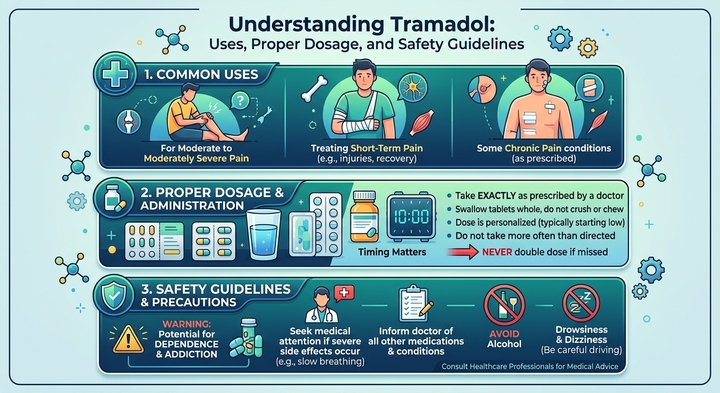
Tramadol is a prescription opioid medication used to manage certain types of moderate to severe pain when other treatment options may not provide adequate relief. Although it can be effective when used correctly, tramadol requires careful medical supervision because it can cause dependence, misuse, overdose, breathing problems, seizures, and potentially dangerous interactions with other medicines.
People researching pain medicines may search online for phrases such as “buy tramadol online.” However, purchasing prescription opioids from an unverified website can expose consumers to counterfeit, incorrectly dosed, or contaminated medicines. Tramadol should be obtained only through a legitimate, licensed pharmacy and used according to a healthcare professional's prescription and instructions.
What Is Tramadol?
Tramadol is an opioid analgesic that changes how the brain and nervous system respond to pain. Immediate-release tramadol may be prescribed for short-term severe pain, while extended-release formulations are intended for certain patients who require around-the-clock treatment for persistent severe pain.
Because tramadol affects the central nervous system, it can cause drowsiness, dizziness, constipation, nausea, and other side effects. More importantly, it can cause serious respiratory depression, particularly when treatment begins or when the dosage is increased.
For these reasons, tramadol should never be treated like an ordinary over-the-counter pain reliever.
Common Uses of Tramadol
Doctors may prescribe tramadol when pain is severe enough to require an opioid analgesic and alternative treatments are inadequate or unsuitable. The specific formulation and treatment plan depend on the patient's condition and medical history.
Some situations in which a healthcare professional may consider tramadol include:
- Certain types of severe acute pain
- Persistent severe pain requiring opioid treatment
- Pain following particular medical procedures or injuries
- Other conditions where a doctor determines that an opioid analgesic is appropriate
The underlying cause of pain should always be evaluated. Taking tramadol without understanding the cause of pain can delay appropriate diagnosis and treatment.
Proper Tramadol Dosage
The correct tramadol dosage is individualized by a healthcare professional. It can depend on the patient's age, medical condition, pain severity, previous exposure to opioids, kidney and liver function, other medications, and individual risk factors.
The FDA prescribing information emphasizes using the lowest effective dosage for the shortest duration consistent with treatment goals. Patients should never increase the amount or frequency of tramadol on their own.
Different tramadol products also have different dosing instructions. Immediate-release products and extended-release products should not be treated as interchangeable. Extended-release tablets or capsules must be swallowed whole and should not be crushed, chewed, broken, or dissolved because doing so can release too much medicine at once.
If you miss a prescribed dose, follow the instructions provided by your doctor or pharmacist. Never take an extra dose simply to compensate for a missed dose.
Why You Should Not Change Your Dose
Taking more tramadol than prescribed can increase the risk of serious complications, including excessive sedation, seizures, respiratory depression, and overdose. Tramadol can also be habit-forming, particularly when it is used for longer periods or taken differently from prescribed instructions.
If your prescribed dose does not adequately control your pain, contact your healthcare professional rather than taking additional tablets. Your doctor can determine whether your treatment needs to be changed or whether another pain-management approach would be more appropriate.
Important Tramadol Safety Guidelines
Safety is particularly important when using opioid medications. Follow these basic precautions:
1. Take Tramadol Exactly as Prescribed
Do not take more tramadol, take it more frequently, or use it in a different way than directed. Do not share your medication with another person, even if they have similar symptoms.
2. Avoid Alcohol
Alcohol can increase the sedating and respiratory-depressant effects of tramadol. Combining alcohol with tramadol can therefore create a potentially life-threatening situation.
3. Be Careful With Other Medicines
Tramadol can interact with numerous prescription and nonprescription medicines. Certain medications that affect serotonin can increase the risk of serotonin syndrome, while some combinations can increase sedation and breathing problems. Tramadol can also increase seizure risk in susceptible individuals.
Tell your doctor and pharmacist about all medications, supplements, and herbal products you take before starting tramadol.
4. Do Not Drive Until You Know Its Effects
Tramadol can cause sleepiness, dizziness, and impaired coordination. Patients should avoid driving or operating machinery until they understand how the medicine affects them.
5. Store It Securely
Keep tramadol in its original container and away from children and other people. Unused medication should be disposed of safely according to local pharmacy or medicine-take-back guidance.
Potential Side Effects
Common side effects can include:
- Drowsiness
- Dizziness
- Nausea
- Headache
- Dry mouth
- Constipation
- Indigestion
- Nervousness
Not everyone experiences these effects, and some symptoms may improve as the body adjusts to treatment. However, severe or unusual symptoms should be discussed with a healthcare professional.
Serious Risks to Know About
Tramadol can cause serious adverse effects. One of the most important is respiratory depression, in which breathing becomes dangerously slow or difficult. The risk can be especially important during the first 24–72 hours of treatment and after dosage increases.
Emergency medical attention is needed if someone taking tramadol develops severe difficulty breathing, cannot be awakened, loses consciousness, or experiences a seizure.
Tramadol can also cause serotonin syndrome, particularly when combined with certain serotonergic medicines. Symptoms may include agitation, confusion, fever, sweating, rapid heartbeat, muscle stiffness or twitching, and loss of coordination.
Tramadol and Dependence
As an opioid, tramadol carries a risk of misuse, addiction, and physical dependence. Taking it exactly as prescribed reduces—but does not eliminate—these risks.
People who have taken tramadol regularly for some time should not suddenly stop treatment without medical guidance. A healthcare professional may gradually reduce the dose to minimize withdrawal symptoms.
Possible withdrawal symptoms can include anxiety, sweating, sleep difficulties, nausea, diarrhea, chills, pain, and other physical or emotional symptoms.
Is It Safe to Buy Tramadol Online?
The search term “buy tramadol online” is commonly associated with people looking for convenient access to pain medication. However, convenience should never come before medication safety.
Consumers should be particularly cautious about websites that offer prescription opioids without requiring an appropriate prescription or medical evaluation. An unknown online source may sell counterfeit or improperly manufactured medication.
If a doctor has prescribed tramadol, use a licensed pharmacy or another legally authorized dispensing service in your country. Verify that the pharmacy is properly regulated, provides appropriate prescription requirements, and supplies medication in its original, properly labeled packaging.
Do not purchase tramadol from social-media sellers, informal marketplaces, or websites making unrealistic medical claims.
Who Should Discuss Tramadol Carefully With a Doctor?
Before using tramadol, patients should tell their healthcare provider if they have a history of seizures, breathing problems, lung disease, kidney or liver disease, head injury, or other relevant medical conditions. Doctors should also know about all medicines and supplements being taken.
Certain populations may have increased risks from tramadol. For example, FDA labeling places important restrictions on its use in children, including children under 12 and certain adolescents.
Pregnancy and breastfeeding also require specific medical advice because tramadol can create risks for an infant.
What to Do in Case of Suspected Overdose
A tramadol overdose can be life-threatening. Warning signs may include extreme sleepiness, inability to wake up, slow or shallow breathing, weakness, loss of consciousness, or other serious symptoms.
If an overdose is suspected, seek emergency medical help immediately. Naloxone may be appropriate for some people who use opioid medications, and patients can discuss naloxone availability with their healthcare professional.
Frequently Asked Questions About Tramadol
Can I take tramadol without a prescription?
Tramadol is a prescription opioid in many jurisdictions and should be used only under appropriate medical supervision. Laws and dispensing requirements vary by country.
Can I take more tramadol if my pain gets worse?
No. Do not increase your dose yourself. Contact your healthcare professional so the cause of increased pain and the safety of your treatment can be evaluated.
Can I drink alcohol while taking tramadol?
Alcohol should be avoided because it can increase the risk of dangerous sedation and breathing problems.
Can I stop tramadol suddenly?
If you have been taking tramadol regularly, speak with your healthcare professional before stopping. Sudden discontinuation can cause withdrawal symptoms.
Is buying tramadol online safe?
Only use a properly licensed and legally authorized pharmacy. Avoid websites that offer prescription opioids without appropriate safeguards or prescription requirements.
Final Thoughts
Tramadol can play a role in pain management for appropriately selected patients, but it is not a medicine to use casually. Correct dosing, careful monitoring, awareness of drug interactions, avoidance of alcohol, and secure storage are important parts of safe treatment.
Anyone considering tramadol should discuss their symptoms and medical history with a qualified healthcare professional. If you are searching for “buy tramadol online,” prioritize a legitimate, regulated pharmacy and a valid prescription rather than an unverified seller. The safest approach is to use tramadol exactly as prescribed and seek professional advice whenever questions or unexpected symptoms arise.