How to Maintain a Mini Cooper Performance Exhaust System
Posted by Alina Luba
Filed in Business 276 views
Introduction
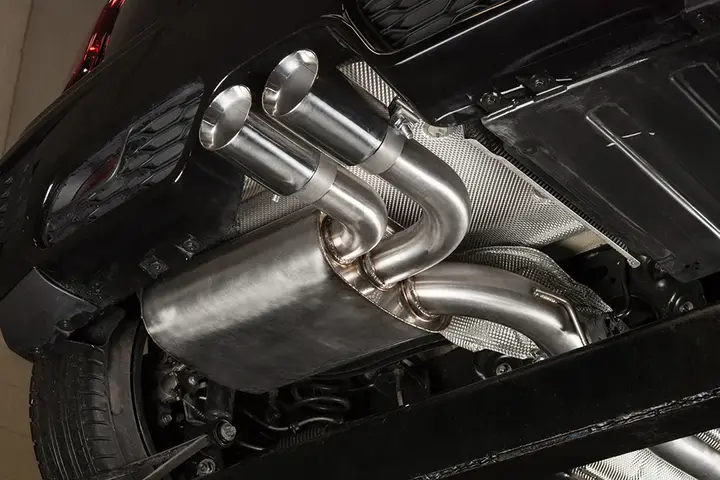
A Mini Cooper performance exhaust system enhances both the sound and driving experience while helping the engine perform more efficiently. Whether fitted from the factory or installed as an aftermarket upgrade, a performance exhaust represents a worthwhile investment that deserves regular care. Like any other vehicle component, the exhaust system is exposed to heat, moisture, road debris, and changing weather conditions, all of which can affect its condition over time.
Proper maintenance not only preserves performance but also extends the lifespan of the system, ensuring your Mini Cooper continues to deliver the sporty character it is known for. Here are several essential maintenance tips to keep your Mini Cooper performance exhaust system in excellent condition.
Inspect the Exhaust Regularly
Routine visual inspections help identify potential problems before they become serious. Examine the exhaust pipes, joints, brackets, and silencers for signs of rust, corrosion, cracks, dents, or loose fittings.
Pay particular attention to areas where moisture may collect, as these sections are often more susceptible to corrosion. Catching minor issues early allows repairs to be completed before more extensive damage develops. A Mini Cooper S custom exhaust can enhance engine performance while giving your car a more distinctive and sporty sound.
Keep the Exhaust Clean
Road grime, mud, salt, and dirt gradually accumulate on the exhaust system, especially during winter months. Cleaning the exterior of the exhaust helps prevent corrosion while maintaining its appearance.
Use vehicle-safe cleaning products along with a soft cloth or brush to remove contaminants without scratching polished surfaces. Stainless steel exhaust systems benefit from occasional polishing to restore their shine and protect against staining.
Protect Against Road Salt
Road salt is one of the biggest threats to exhaust longevity, particularly during colder weather. Salt accelerates corrosion by remaining on the metal surfaces after driving on treated roads.
Whenever possible, wash the underside of the vehicle during winter to remove accumulated salt and debris. Regular cleaning significantly reduces the likelihood of premature corrosion and helps extend the life of the exhaust system.
Check Exhaust Mounts and Hangers
The exhaust system is supported by rubber hangers and mounting brackets that absorb movement and vibration. Over time, these components can wear, crack, or become loose.
Damaged hangers may allow the exhaust to move excessively, increasing the risk of knocks, rattles, or contact with the underside of the vehicle. Replacing worn mounting components helps keep the exhaust securely positioned and operating correctly.
Listen for Unusual Noises
Changes in exhaust sound often indicate developing problems. Rattling, excessive vibration, hissing, or noticeably louder exhaust noise may suggest loose fittings, damaged components, or small leaks.
If the exhaust note changes unexpectedly, arrange an inspection promptly. Addressing unusual sounds early helps prevent further damage while maintaining the intended performance and driving experience.
Avoid Short Journeys Whenever Possible
Frequent short trips prevent the exhaust system from reaching its full operating temperature. This allows condensation to remain inside the exhaust, increasing the likelihood of internal corrosion over time.
Longer journeys give the system sufficient time to heat fully, allowing trapped moisture to evaporate naturally. Although short journeys cannot always be avoided, regular longer drives help improve overall exhaust longevity.
Monitor Performance Changes
A properly functioning performance exhaust should maintain consistent engine response and exhaust flow. Reduced performance, slower acceleration, or increased fuel consumption may indicate restrictions, leaks, or other developing issues within the system.
Monitoring the vehicle's behaviour allows drivers to recognise subtle changes that may require professional attention. Prompt diagnosis often prevents minor problems from becoming expensive repairs.
Use Professional Servicing When Needed
While routine visual inspections can be performed at home, periodic professional servicing provides a more comprehensive assessment of the exhaust system. Experienced technicians can inspect hidden components, identify developing wear, and confirm that all joints remain properly sealed.
Professional servicing is particularly important after performance modifications or if the vehicle has been driven extensively under demanding conditions. Regular inspections provide peace of mind while protecting the investment made in the performance exhaust.
Conclusion
Maintaining a Mini Cooper performance exhaust system requires consistent attention rather than complicated maintenance procedures. Regular inspections, cleaning, protection against road salt, checking hangers, listening for unusual noises, avoiding excessive short journeys, monitoring vehicle performance, and arranging professional servicing all contribute to long-term reliability. These simple maintenance practices help preserve the exhaust's appearance, performance, sound quality, and durability.
By caring for the system properly, Mini Cooper owners can continue enjoying enhanced driving performance while reducing the likelihood of costly repairs in the future. A well-maintained performance exhaust not only improves the vehicle's efficiency but also ensures every journey remains enjoyable.
Visit Youtalent for more informative blogs.