How to Calculate Your Body Fat Percentage Accurately
Posted by Sharp Calculator
86 views
Why Body Fat Percentage Matters More Than Weight Alone
The number on a bathroom scale tells you very little on its own. Two people can weigh exactly the same and have completely different body compositions — one carrying more muscle, the other more fat. This is why body fat percentage has become a far more meaningful metric for tracking fitness progress and overall health than weight alone. Tools like the calculators on Sharp Calculator make it easy to estimate this figure quickly, without needing specialized lab equipment or a trainer standing beside you.
Body fat percentage reflects the proportion of your total body mass that is fat tissue, as opposed to muscle, bone, water, and organs. Two people with identical BMI scores can have very different body fat percentages, which is why relying on BMI alone can be misleading, especially for athletes or people with a muscular build.
The Most Common Methods for Estimating Body Fat
There are several approaches to estimating body fat percentage, ranging from simple at-home methods to clinical-grade testing:
- Skinfold calipers – measuring the thickness of skin folds at specific body sites
- Bioelectrical impedance – sending a small electrical current through the body (common in smart scales)
- Circumference-based formulas – using measurements like waist, neck, and hip
- DEXA scans – a clinical imaging method considered highly accurate but not widely accessible
- Hydrostatic weighing – underwater weighing, another clinical-grade method
For most people, circumference-based formulas offer the best balance of accessibility and reasonable accuracy without requiring special equipment.

The U.S. Navy Method Explained
One of the most widely used circumference-based formulas is the U.S. Navy method, which uses waist, neck, and (for women) hip measurements alongside height. This method was originally developed for military fitness assessments and has remained popular because it requires nothing more than a flexible tape measure.
The formula differs slightly between men and women because fat distribution patterns differ by sex, but both versions rely on the same core principle: comparing circumference measurements against height to estimate body density, which is then converted into an estimated body fat percentage.
Why Precision in Measurement Matters
The accuracy of any body fat calculation depends heavily on how carefully the measurements are taken. A tape measure that's slightly too loose, taken at the wrong body landmark, or read after a meal rather than in the morning can shift the result meaningfully. To get a measurement you can actually track over time, it helps to:
- Measure at the same time of day, ideally in the morning
- Use a flexible, non-stretch tape measure
- Measure directly against skin, not over clothing
- Take each measurement two or three times and average the results
Understanding What the Number Actually Means
Once you have a body fat percentage, it helps to know what range it falls into. General fitness categories differ between men and women because healthy fat storage levels differ by sex — women naturally carry more essential fat than men due to hormonal and reproductive functions. Rather than comparing your number to a generic "ideal" figure, it's more useful to compare it against ranges specific to your sex and activity level.
Tracking Change Over Time Instead of Chasing a Single Number
Body fat percentage naturally fluctuates slightly day to day due to hydration, food intake, and even the time of measurement. Instead of fixating on a single reading, tracking the trend over several weeks gives a far more reliable picture of whether body composition is actually changing. A steady downward or upward trend over a month tells you much more than any individual measurement.
Limitations Worth Knowing
No at-home method is perfectly precise. Circumference-based formulas and bioelectrical impedance scales can be off by a few percentage points compared to clinical methods, and factors like hydration level can temporarily skew impedance-based readings. These methods are best used as consistent, repeatable tools for tracking relative change rather than as an exact scientific measurement.
Combining Body Fat Data With Other Health Metrics
Body fat percentage is most useful when considered alongside other indicators rather than in isolation — waist circumference alone, strength progress, energy levels, and how clothes fit all add context that a single number can't capture. Using calculation tools for related metrics, such as finance calculators for tracking a gym membership budget or overall health-related spending, can also help tie fitness goals to a realistic financial plan, since consistency in tracking often applies across different areas of life.
Making the Calculation Process Easier
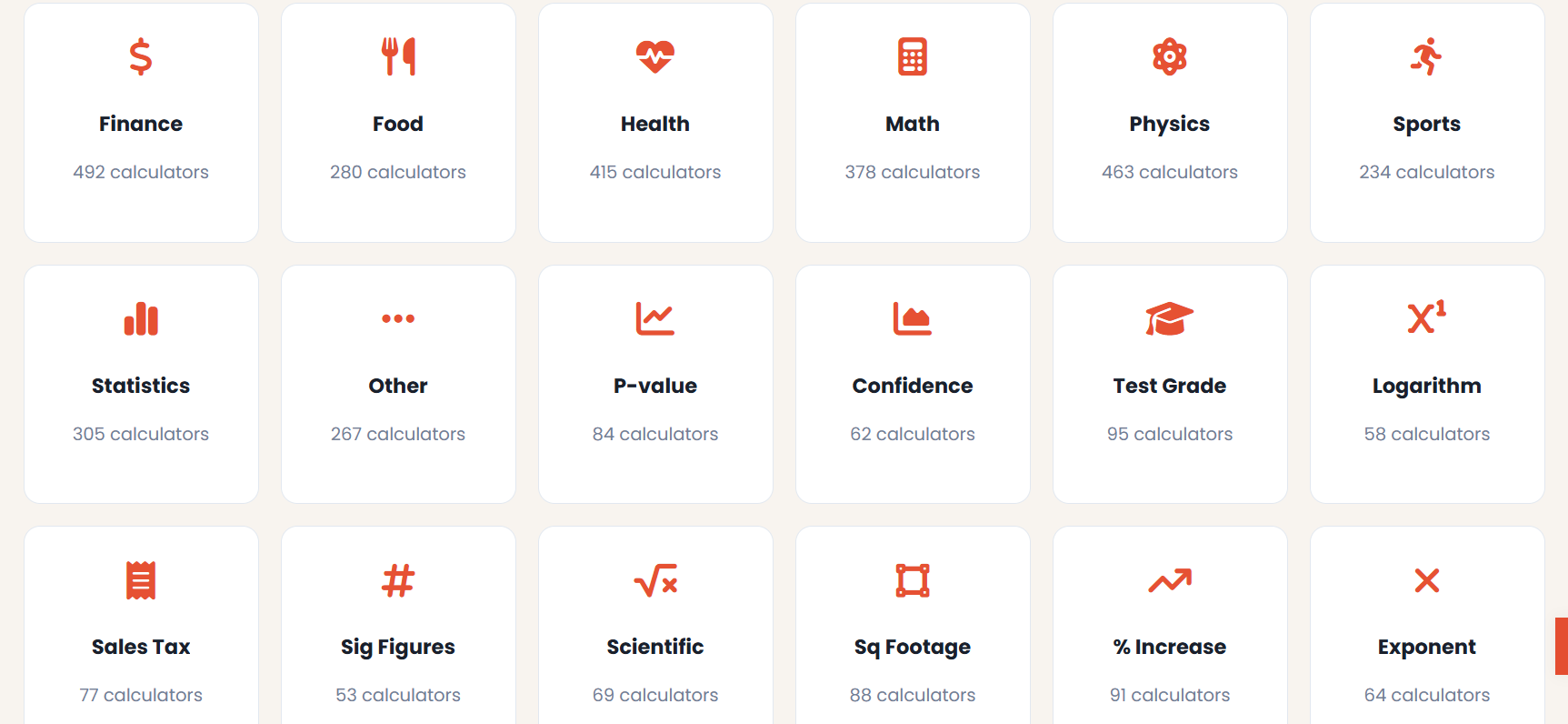
Manually working through circumference-based formulas by hand is doable, but it's easy to make small arithmetic errors, especially with the logarithmic components some versions of the formula use. Using a dedicated online calculator removes that risk, instantly applying the correct formula and giving a consistent result every time you measure.
Final Thoughts
Calculating body fat percentage accurately isn't about chasing a perfect number — it's about having a consistent, repeatable method you can track over time. Whether you choose a circumference-based formula, a smart scale, or occasional professional testing, the key is measuring the same way every time and paying attention to the trend rather than any single reading. With the right approach and reliable tools, body fat percentage becomes a genuinely useful part of understanding your overall fitness, rather than just another confusing number.