Flexible Dentures: Benefits and Comfort Explained
Posted by Harry Thomas
128 views
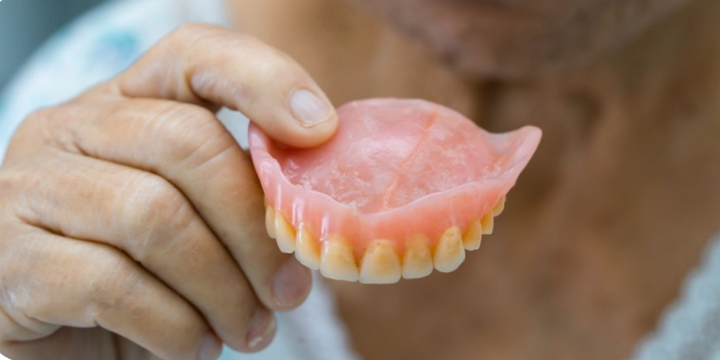
Flexible dentures have become a popular option for people looking for a discreet and comfortable way to replace missing teeth. Unlike traditional rigid acrylic dentures, flexible dentures are made from thermoplastic materials that can bend slightly and adapt around the natural shape of the mouth.
For people missing one or several teeth, flexible dentures can offer a combination of comfort, appearance and practicality. However, they are not suitable for every situation, and understanding both their advantages and limitations is important before choosing this type of denture.
What Are Flexible Dentures?
Flexible dentures are removable dental appliances made from flexible thermoplastic materials, often nylon-based. Unlike conventional acrylic dentures, they are designed to flex when being inserted and removed, allowing them to adapt around certain areas of the teeth and gums.
They are commonly used as partial dentures when some natural teeth remain. Their flexible design can allow gum-coloured or tooth-coloured components to blend more naturally with the mouth, reducing the visibility associated with traditional metal clasps.
Are Flexible Dentures Comfortable?
Comfort is one of the main reasons people consider flexible dentures. Their lightweight and adaptable material can feel less bulky than some conventional rigid denture designs. Because the base can flex slightly, it may adapt more naturally to the contours of the mouth.
However, comfort is highly individual. The number and position of missing teeth, the condition of your gums and the shape of your mouth can all affect how a denture feels. A professional assessment is therefore important before deciding whether flexible dentures are appropriate for you.
Natural-Looking Appearance
Another major benefit of flexible dentures is their discreet appearance. Traditional partial dentures may use visible metal clasps, whereas flexible alternatives can use gum-coloured or translucent components that blend with the surrounding tissues.
This can make flexible dentures particularly appealing when replacing visible teeth. The flexible material can also sit close to the gums, helping create a more natural-looking result. However, the final appearance depends on the denture design, replacement teeth and individual mouth anatomy.
Lightweight and Flexible Design
Traditional dentures can sometimes feel bulky, particularly when a person is new to wearing them. Flexible dentures are generally thinner and lighter, which can make them appealing to people who want a less noticeable appliance.
Their flexibility also allows the denture to move over certain natural contours and undercuts during insertion. This can be useful in cases where a rigid denture design may be more challenging. Research into flexible denture materials highlights flexibility and the ability to engage certain undercuts as important characteristics of these appliances.
A Good Option for Partial Tooth Replacement
Flexible dentures are generally associated with partial tooth replacement. They can be considered when one or several natural teeth remain and the patient wants a removable solution that is relatively discreet.
For people researching dentures peterborough, flexible partial dentures may be one of several options worth discussing with a local dental professional. The right choice will depend on the location of the missing teeth, the health of the remaining teeth, gum condition, bite and the level of support required.
No Visible Metal Clasps
One of the most noticeable differences between flexible and some traditional partial dentures is the clasp design. Flexible dentures can use gum-coloured material around supporting teeth rather than conventional metal components.
This can provide a more discreet appearance when smiling or speaking. For people who are concerned about visible metal, this aesthetic advantage can make flexible dentures an attractive option. However, the exact design depends on the individual's dental anatomy and the requirements of the denture.
Flexible Dentures Can Be Resistant to Fracture
Flexible materials have an advantage when it comes to certain types of accidental damage. Because the base can bend rather than behaving like a rigid acrylic structure, flexible dentures can be more resistant to cracking or shattering when accidentally dropped.
This does not mean flexible dentures are impossible to damage. They can still become scratched, worn or affected by prolonged use. Proper handling and cleaning remain essential for maintaining their condition.
Are Flexible Dentures Suitable for Everyone?
Flexible dentures are not automatically the best choice for every patient. Their suitability depends on factors including the number of missing teeth, the position of the gaps, the condition of the remaining teeth and the amount of support required.
They may work particularly well for selected short-span partial denture cases, while more complex situations may benefit from a more rigid design. Flexible dentures can also have limitations when substantial changes or modifications are required later. A professional assessment should therefore come before choosing this option.
Flexible Dentures vs Acrylic Dentures
The main difference between flexible and acrylic dentures is the material and resulting design. Acrylic dentures are rigid, while flexible dentures use a thermoplastic material that can bend. Flexible designs may provide advantages in comfort and aesthetics, while acrylic dentures can be easier to modify, repair and reline.
Neither option is universally better. The most suitable denture depends on your individual circumstances. A dental professional can explain the differences and help you understand which design is likely to provide the right balance between appearance, stability, comfort and long-term practicality.
What Are the Disadvantages of Flexible Dentures?
Although flexible dentures offer several benefits, they also have limitations. One of the most important is that they can be more difficult to repair, adjust or reline than conventional acrylic dentures. If your mouth changes significantly or the denture becomes damaged, replacement may sometimes be considered instead of modification.
Flexible materials can also be more susceptible to staining, surface roughness and plaque accumulation if they are not cleaned correctly. This makes an effective daily cleaning routine particularly important. Understanding these limitations allows you to make a more balanced decision rather than choosing flexible dentures based only on their comfort or appearance.
How to Care for Flexible Dentures
Proper cleaning can help maintain the appearance and hygiene of flexible dentures. Clean them regularly using a method and product recommended for the specific material. Avoid abrasive products that could scratch the surface, and handle the denture carefully when removing or cleaning it.
You should also maintain good oral hygiene around any remaining natural teeth and gums. If the denture becomes uncomfortable, loose or damaged, arrange a professional assessment rather than trying to repair it yourself.
How Long Can Flexible Dentures Last?
The lifespan of flexible dentures varies between individuals. Factors such as daily use, cleaning, oral health, material condition and changes in the mouth can all affect how long they remain suitable.
Even if the denture itself appears to be in good condition, changes in your gums or remaining teeth can affect its fit. Regular professional reviews can help determine whether the denture still provides appropriate comfort and function or whether adjustment or replacement should be considered.
Conclusion
Flexible dentures can provide an attractive and comfortable option for selected patients who need to replace missing teeth. Their lightweight material, flexibility and discreet appearance can make them particularly appealing compared with some traditional partial denture designs.
However, flexible dentures also have limitations, particularly around repairs, adjustments and long-term modification. The best option depends on your individual dental needs, so a professional assessment should always be the starting point. By understanding both the benefits and potential drawbacks, you can make a more informed decision about whether flexible dentures are right for you.