How Much Does NDIS Cleaning Cost in Australia?
Posted by Westlink Services
147 views
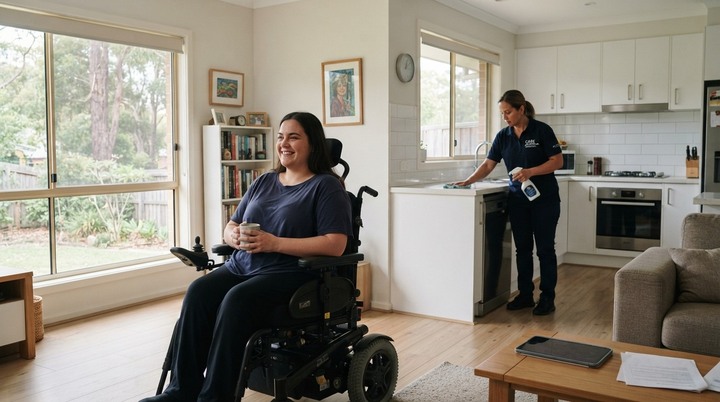
The NDIS cleaning cost depends on the participant’s approved funding, support needs, cleaning scope, provider rate, labour hours and location. There is no single price that every participant or cleaner must use.
The NDIS Pricing Schedule provides recommended maximum prices for eligible supports. However, a provider may charge less than the listed amount. Participants and providers should agree on the rate and any extra charges before services begin.
Does the NDIS Pay for House Cleaning?
The NDIS fund house cleaning when a participant cannot complete essential household tasks because of their disability. Cleaning support must relate to the person’s functional needs and help them maintain a safe and suitable home.
Funding is not automatic. Standard living costs and general cleaning preferences are not covered simply because someone participates in the NDIS. The support must meet the NDIS cleaning services funding criteria and fit the participant’s approved plan and budget.
House cleaning generally falls under Household Tasks withi n Assistance with Daily Life. The current support item covers essential house cleaning activities that the participant cannot perform. Participants should check their plan and speak with their support coordinator, plan manager or the NDIA when they are unsure whether their funding covers cleaning.
What Is the Typical NDIS Cleaning Cost?
Most providers calculate NDIS house cleaning prices by the hour. The recommended maximum hourly price is $60.10 nationally, $84.14 in remote areas and $90.15 in very remote areas.
These prices apply to House Cleaning and Other Household Activities under support item 01_020_0120_1_1. They are recommended maximums, not compulsory provider rates. A cleaner can charge less, and the participant and provider can agree on a suitable price.
Minimum Booking Period
Providers can set a minimum booking period, such as two hours. Participants should confirm the minimum number of billable hours before booking a service.
Evening, Weekend and Public Holiday Charges
The current household-cleaning item does not list separate rates for evenings, weekends or public holidays. Participants should ask about booking conditions and confirm all charges in writing.
Hourly Rate and Labour Hours
The service agreement should state the agreed hourly rate, number of cleaners and total billable labour hours. Two cleaners working for two hours equal four labour hours.
Included Cleaning Tasks
The agreement should identify the rooms and cleaning tasks included in each visit. It should also list any tasks that require separate pricing or approval.
Additional Costs
Participants should confirm whether approved travel, parking, cleaning products or equipment create extra charges.
Cancellation and Price-Change Terms
The service agreement should explain cancellation notice periods, applicable fees and how future price changes will be discussed and approved.
What Affects the Cost of NDIS Cleaning?
The total cost depends on the amount of work, visit frequency, labour hours, property access and any additional services. Understanding these factors helps participants compare quotes, plan their cleaning budget and agree on a clear service scope.
Size and Condition of the Home
A small unit usually takes less time to clean than a large house with several bedrooms, bathrooms and living areas. The layout also matters. Stairs, separate levels and several shared spaces can increase the required labour time.
A home that has not received regular cleaning may need a longer first visit. The cleaner should inspect or discuss the condition before confirming the service duration.
Cleaning Tasks Included
A basic scope may include vacuuming, mopping, dusting, bathroom cleaning and kitchen cleaning. Adding more rooms or detailed tasks increases the time required.
A clear checklist helps the participant understand what the cleaner will complete during each visit. It also helps prevent essential tasks from being missed.
Cleaning Frequency
Weekly or fortnightly cleaning usually keeps dirt and household mess under control. Once a routine has been established, the required service time becomes easier to estimate.
Monthly or one-off cleaning may take longer because more dust, grime and household work can build up between visits. Frequency should reflect the participant’s approved support needs rather than a provider’s standard package.
Number of Cleaners and Service Hours
Participants should distinguish between booking time and billable labour hours.
Two cleaners working for two hours complete four labour hours:
2 cleaners × 2 hours = 4 billable labour hours
A larger team may finish the work sooner, but the total cost can remain similar because each cleaner’s time is counted. The quote and service agreement should clearly identify both the team size and total labour hours.
Location, Travel and Access
Travel and non-labour travel costs may be claimable for some household-task supports when current rules and the service agreement allow them. The NDIS support catalogue should be used with the pricing schedule to check the relevant claim conditions.
Parking fees, stairs, lifts, intercoms, keys and entry codes can also affect the visit. Delayed access may reduce the time available for cleaning or create an extra charge under the provider’s terms. Clear access instructions help the service run as planned.
Additional or Specialised Cleaning
Standard household cleaning does not automatically include every property service. Carpet cleaning, external window cleaning, end-of-lease work, heavy decluttering, mould treatment, pest control, repairs and hazardous cleaning may require separate pricing or approval.
Participants should not assume that specialised work will qualify as NDIS-funded cleaning. The provider should separate optional work from the agreed household-task scope.
Example NDIS Cleaning Cost Calculations
The examples below use an illustrative rate of $55 per labour hour. It is not an official NDIS rate or a quote from a particular provider.
The basic formula is:
Hourly rate × billable labour hours = estimated service cost
Example 1: Two-hour weekly clean
$55 × 2 labour hours = $110 per visit
Four visits in an illustrative four-week period would cost $440.
Example 2: Three-hour fortnightly clean
$55 × 3 labour hours = $165 per visit
Two visits in an illustrative four-week period would cost $330.
Example 3: Two cleaners for a larger scope
Two cleaners working for two hours equal four labour hours.
$55 × 4 labour hours = $220 per visit
These examples exclude any separately agreed travel, parking, products or additional services. Actual costs must follow the participant’s plan, available budget, provider terms and current pricing guidance.
What Household Cleaning Tasks Does NDIS Funding Cover?
NDIS-funded cleaning focuses on essential household tasks a participant cannot complete because of their disability. It is designed to help the participant maintain a clean, safe and functional home. The exact work depends on the participant’s approved support needs and the written service agreement.
Floor Cleaning
Cleaners may vacuum carpets, rugs and accessible floor areas to remove dust, crumbs, hair and loose dirt. They may also mop suitable hard floors in kitchens, bathrooms, bedrooms and living areas.
Kitchen Cleaning
Kitchen tasks may include wiping benches, splashbacks, sinks, taps and cupboard exteriors. Cleaners may wipe the outside of appliances, such as the refrigerator, microwave and oven. Washing dishes or loading a dishwasher should be included only when agreed in the task list.
Bathroom and Toilet Cleaning
A cleaner may clean toilets, showers, baths, sinks, taps, mirrors and accessible bathroom surfaces. The service may also include wiping tiles and mopping the floor. Heavy mould treatment or repairs usually require a separate service.
Bedroom Cleaning
Bedroom cleaning may include dusting accessible furniture, vacuuming or mopping floors, emptying bins and wiping reachable surfaces. Changing bed linen may also be included when it forms part of the participant’s approved household support and written scope.
Living and Shared Areas
Cleaners may vacuum, mop and dust living rooms, dining areas, hallways and other agreed shared spaces. Tasks can include wiping tables, shelves and other accessible surfaces without moving heavy furniture.
Dusting and Surface Cleaning
Dusting may cover reachable shelves, skirting boards, window ledges, tables and furniture surfaces. Cleaners should confirm whether delicate items, electronics or high surfaces are included before starting work.
Household Bins
The service may include emptying indoor bins, replacing bin liners and taking household waste to the property’s designated bin area. Removal of large, hazardous or excessive waste normally falls outside routine cleaning.
Other Agreed Household Tasks
Other reasonable tasks may be included when they relate to the participant’s disability support needs and appear in the written service agreement. Examples include light tidying, changing linen or cleaning frequently used areas.
The cleaning checklist should identify the rooms, tasks, frequency and expected service time. It should also list exclusions, such as carpet steam cleaning, external window cleaning, pest control, repairs, heavy decluttering, hazardous waste removal and specialist mould treatment. Funding for these services is not automatic and should be confirmed before booking.
How NDIS Plan Management Affects Payment
The way a cleaning provider gets paid depends on how the participant’s NDIS plan is managed. The three main options are NDIA-managed, plan-managed and self-managed funding.
NDIA-Managed Funding
Providers generally need the correct registration status for the support they deliver. They claim payment through the NDIS payment system.
Plan-Managed Funding
A plan manager pays valid provider invoices on the participant’s behalf. The cleaning provider must submit invoices containing the information required by the plan manager.
Self-Managed Funding
A self-managed participant pays providers and manages claims in line with NDIS requirements. This option may offer greater provider choice, but the participant remains responsible for managing their budget, payments and records.
Rules and provider requirements can change. Participants should confirm the payment process that applies to their plan-management type.
to their management type before signing a service agreement.
How to Prevent Unexpected NDIS Cleaning Charges
Request a written quote before the first visit. Agree on a task checklist and confirm whether one cleaner or a team will attend. The quote should show total labour hours, not only the expected time spent at the property.
Ask about travel, parking, products, minimum bookings and cancellation terms. Compare each invoice with the completed visit and report errors promptly. Review the service agreement when the participant’s needs, schedule or cleaning scope changes.
Participants comparing professional support can review the household cleaning options available through NDIS Cleaning Services.
Frequently Asked Questions
Is NDIS cleaning free for participants?
Not automatically. Eligible cleaning may be paid from a participant’s approved NDIS budget when it relates to their disability support needs and meets current funding rules. The service still uses part of the participant’s available funding. Participants should check their plan, budget and service agreement before booking.
What Is the NDIS Cleaner Hourly Rate?
There is no compulsory rate charged by every provider. From 1 July 2026, the national recommended maximum for support item 01_020_0120_1_1 is $60.10 per hour. A provider may charge less. The agreed rate and any permitted extra costs should appear in the written service agreement.
Does NDIS Funding Cover Deep Cleaning?
Deep cleaning is not automatically funded. Coverage depends on whether the work is disability-related, reasonable and necessary, included within the participant’s approved support and permitted under current rules. A large one-off clean or specialised treatment may fall outside ordinary household tasks. Confirm approval before booking it.
Can an NDIS Cleaner Bring Cleaning Products?
Yes, a provider may bring products and equipment. Some include these items in the hourly rate, while others apply agreed conditions or charges. Participants should discuss allergies, sensitivities, preferred products and surface requirements before the first visit. The agreement should state who supplies each item.
Can NDIS Funding Cover Carpet or Window Cleaning?
Carpet or window cleaning is not automatically covered. These tasks may require specialist equipment and separate pricing. Funding depends on the participant’s disability-related needs, approved supports and current NDIS rules. Participants should seek confirmation before asking a provider to add specialist work to an invoice.
How Many Hours of Cleaning Will the NDIS Fund?
There is no standard number of hours for every participant. Available hours depend on the person’s approved budget, support needs, cleaning frequency and agreed provider rate. A support coordinator, plan manager or NDIA contact can help the participant understand the relevant funding in their plan.
Can I Choose My Own NDIS Cleaning Provider?
Provider choice depends partly on how the plan is managed. Self-managed and plan-managed participants generally have broader options, while NDIA-managed participants usually need providers who meet the applicable registration requirements. Always check the provider’s suitability, pricing, insurance and invoicing arrangements before starting the service.
Conclusion
The cost of NDIS cleaning in Australia depends on the current pricing schedule, approved funding, provider rate, cleaning scope, labour hours, location and service terms. A recommended maximum is not automatically the price a provider will charge.
Westlink Cleaning Services is one Sydney provider participants can contact to discuss required household tasks, scheduling and clear written pricing. Participants should confirm that the proposed service suits their plan before approving a booking.