Innovations Improving Safety and Efficacy in Cell-Based Therapies
Posted by scott bang
Filed in Business 606 views
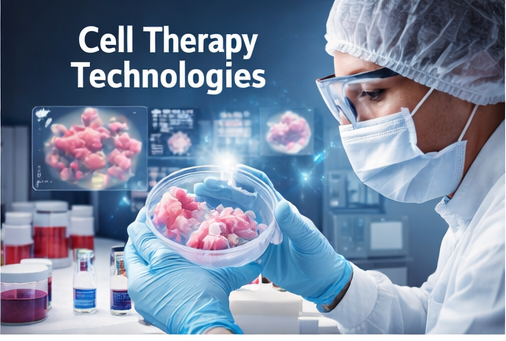
Advancing the Next Generation of Personalized Medicine
Cell therapy technologies are rapidly reshaping modern healthcare by enabling treatments that address disease at a cellular level rather than merely managing symptoms. Over the past few years, progress in biotechnology, genomics, and manufacturing has accelerated the development of cell-based therapies, opening new possibilities for conditions once considered untreatable. From oncology to regenerative medicine, these innovations are redefining how clinicians and researchers approach complex diseases.
At the core of this evolution is a shift toward precision and personalization. Instead of standardized drugs, many emerging therapies are derived from a patient’s own cells or from highly controlled donor sources. This approach not only improves therapeutic efficacy but also reduces the risk of immune rejection, making cell therapy technologies a central pillar of next-generation medicine.
Technology Trends Driving Clinical Adoption
One of the most influential trends is the maturation of stem cell therapy technologies. Advances in induced pluripotent stem cells (iPSCs), mesenchymal stem cells, and hematopoietic stem cells have expanded the range of applications, from tissue repair to immune modulation. Improved differentiation protocols and gene-editing tools such as CRISPR are enabling scientists to engineer cells with greater precision, enhancing both safety and performance.
At the same time, automation and closed-system bioprocessing are transforming how cell-based therapies are manufactured. Scalable platforms now allow for more consistent cell expansion, reduced contamination risk, and better compliance with regulatory standards. These improvements are critical as therapies move from experimental settings into broader clinical use, where reliability and reproducibility are essential.
Another notable trend is the integration of artificial intelligence and advanced analytics into cell development workflows. AI-driven models are being used to optimize culture conditions, predict cell behavior, and streamline quality control, significantly reducing development timelines.
The expanding scope of clinical applications is a major factor influencing the cell therapy market. Oncology remains a key focus, particularly with the continued refinement of CAR-T and other immune cell therapies. However, momentum is also building in neurology, cardiology, and autoimmune disorders, where regenerative and immunomodulatory approaches show strong potential.
This growth trajectory is reflected in market projections. The global cell therapy technologies market size is expected to reach USD 17.46 billion by 2030, advancing at a compound annual growth rate of 17.84% between 2025 and 2030, according to Grand View Research. This outlook underscores both rising investment activity and increasing confidence in the long-term clinical and commercial viability of these therapies.
Beyond therapeutics, supportive services such as cell banking, logistics, and specialized cold-chain infrastructure are also expanding, further strengthening the overall ecosystem around cell-based therapies.
Regulatory Progress and Future Outlook
Regulatory frameworks are evolving to keep pace with innovation. Agencies across major regions are introducing adaptive approval pathways and clearer guidance for advanced therapy medicinal products. These changes are helping developers navigate clinical trials more efficiently while maintaining rigorous safety standards.
Looking ahead, collaboration will be a defining factor in the success of cell therapy technologies. Partnerships between biotech firms, academic institutions, and healthcare providers are accelerating translational research and facilitating real-world adoption. As manufacturing costs decline and processes become more standardized, access to cell-based therapies is expected to broaden beyond specialized centers.
In the long term, the convergence of stem cell therapy technologies, gene editing, and digital health tools points toward a future where personalized, curative treatments become mainstream. With strong scientific momentum and sustained market growth, cell therapy technologies are poised to play a transformative role in global healthcare over the coming decade.