How Does Moles Removal Treat Skin Moles?
Posted by Asthetic health care
Filed in Health 32 views
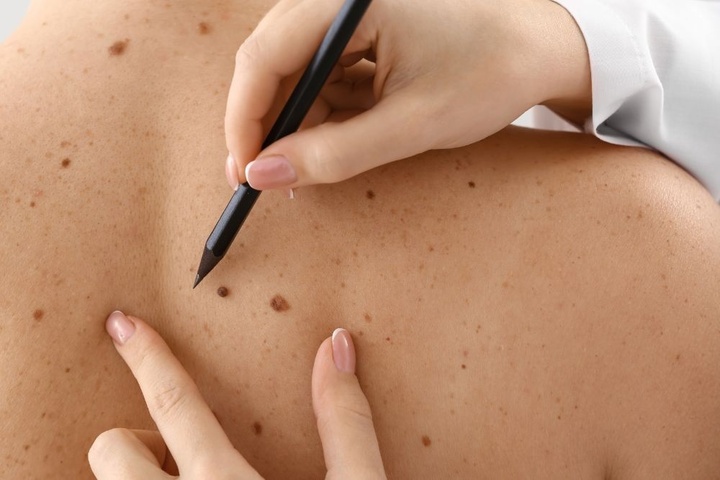
Skin moles are common and can appear anywhere on the body. While many moles are harmless, some people choose to have them removed because they are noticeable, frequently irritated, or affect the overall appearance of the skin. Moles Removal Dubai refers to a range of professional techniques used to remove unwanted moles while taking into account the mole’s size, location, appearance, and type.
Understanding how mole removal works can help you know what to expect before considering treatment. From examination and technique selection to aftercare and healing, each step plays an important role in achieving a safe and satisfactory outcome.
What Are Skin Moles?
A mole, medically known as a nevus, is a small area of skin where pigment-producing cells called melanocytes grow in clusters. Moles can be flat or raised and may vary in color from light brown to dark brown or black. Some are present from birth, while others develop during childhood or adulthood.
Most ordinary moles are benign. However, a mole that changes in size, shape, color, or texture should be assessed by a qualified medical professional. Changes such as bleeding, persistent itching, crusting, or rapid growth can also require further evaluation.
For this reason, professional assessment is an important first step before removing any mole.
How Does Moles Removal Work?
Mole removal works by physically removing or treating the unwanted tissue. The technique selected depends on several factors, including whether the mole is raised or flat, how deep it extends into the skin, its location, and whether there are any concerns about its appearance.
During an assessment, the mole is examined carefully. If there is any reason to suspect an abnormal or potentially cancerous lesion, further testing may be recommended before or after removal.
Common approaches may include:
- Surgical excision: The mole is cut out along with a small margin of surrounding skin when appropriate.
- Shave removal: A raised mole may be carefully shaved down to the level of the surrounding skin.
- Other dermatological techniques: Depending on the specific lesion, a specialist may recommend another suitable method.
The goal is not simply to remove what can be seen on the surface. The chosen technique should address the mole appropriately while considering the surrounding skin and the possibility of scarring.
Why Is Mole Assessment Important Before Treatment?
Not every mole should be treated in the same way. A professional examination helps determine whether removal is appropriate and which technique may be most suitable.
Assessment can be particularly important when a mole has recently changed. A specialist may look at features such as:
- Asymmetry – whether one half looks different from the other.
- Border – whether the edges are irregular or poorly defined.
- Color – whether there are multiple or unusual shades.
- Diameter – whether the mole is unusually large or increasing in size.
- Evolution – whether its appearance has changed over time.
These characteristics do not automatically mean that a mole is dangerous. However, they can indicate that further medical evaluation is appropriate.
What Happens During Moles Removal?
The exact experience varies depending on the removal technique. Before treatment, the skin is usually cleaned and the area is prepared carefully. Local anesthesia may be used for certain procedures to keep the treatment area comfortable.
Once the area is numb, the selected technique is performed. A small wound may remain after removal, and in some cases stitches are required. If tissue is removed for medical reasons, it may be sent for laboratory examination to determine its characteristics.
The procedure itself may be relatively quick, but the overall appointment can take longer because of preparation, assessment, and post-treatment instructions.
For people considering Moles Removal Dubai, understanding the complete process can make the experience less uncertain and help them prepare properly for recovery.
What Is Recovery Like After Mole Removal?
Recovery depends on the size and depth of the mole, the removal method, and the location of the treated area. Immediately afterward, the skin may appear slightly red or irritated. Some people may experience mild tenderness around the treatment site.
Following aftercare instructions carefully can support proper healing. General recommendations may include:
- Keep the treated area clean as advised.
- Avoid unnecessary touching or scratching.
- Follow instructions regarding dressings or topical products.
- Protect healing skin from excessive sun exposure.
- Avoid picking at scabs or healing tissue.
- Attend any recommended follow-up appointments.
Healing can take different amounts of time from person to person. The treated area may initially look different from the surrounding skin before gradually becoming less noticeable.
Can Mole Removal Leave a Scar?
Any procedure that removes tissue from the skin has some possibility of scarring. The likelihood and appearance of a scar depend on factors such as the removal technique, mole size, depth, body location, skin type, and individual healing response.
A raised mole that requires surgical removal may leave a different type of mark compared with a superficial lesion treated with another technique. Proper wound care and sun protection during healing can help support a better cosmetic outcome.
It is important to have realistic expectations because completely scar-free removal cannot always be guaranteed.
When Should You Consider Having a Mole Removed?
People consider mole removal for different reasons. Some want to address a mole that frequently catches on clothing, jewelry, or other objects. Others may be concerned about its appearance, particularly when it is located on a visible part of the face or body.
Medical reasons can also make removal appropriate. A specialist may recommend removing a mole when its appearance is concerning or when examination indicates that laboratory analysis would be useful.
However, removal should not be based solely on appearance. A proper assessment should come first, particularly if the mole has recently changed.
Choosing Professional Moles Removal in Dubai
Dubai's climate includes strong sunlight for much of the year, making skin protection an important part of everyday skincare. Anyone considering mole removal should seek professional evaluation rather than attempting to remove a mole at home.
Professional treatment allows the mole to be examined before removal and helps determine an appropriate technique. It also provides an opportunity to receive personalized aftercare guidance based on the treated area and procedure performed.
Whether the concern is cosmetic or medical, understanding the nature of the mole is an essential part of making an informed decision.
Final Thoughts
Mole removal involves more than simply eliminating a visible spot from the skin. A proper approach begins with examination, followed by selecting a suitable removal method based on the mole's characteristics and the individual's needs. Careful aftercare is equally important for supporting healing and minimizing unnecessary irritation.
For anyone researching Moles Removal Dubai, professional assessment is the most important starting point. With the right evaluation, appropriate technique, and proper aftercare, unwanted moles can be addressed while giving the surrounding skin the attention it needs.