Clear Old Tattoos with Laser Tattoo Removal
Posted by Asthetic health care
Filed in Health 18 views
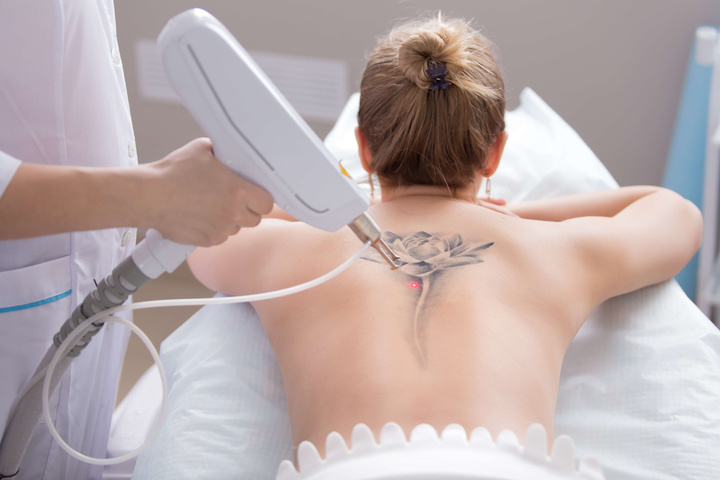
Tattoos can be a meaningful form of self-expression, but preferences can change over time. A design that once felt perfect may no longer match your personality, lifestyle, or professional goals. Fortunately, modern laser technology offers a practical way to reduce the appearance of unwanted ink. Laser Tattoo Removal in Dubai has become a widely considered option for people who want to gradually clear or significantly fade tattoos without surgical removal.
Whether the tattoo is several years old, professionally done, or simply no longer represents you, laser treatment can target the ink while leaving the surrounding skin largely unaffected. Understanding how the process works, what influences results, and how to care for your skin afterward can help you approach treatment with realistic expectations.
How Does Laser Tattoo Removal Work?
Laser tattoo removal uses focused pulses of light to target pigment particles beneath the skin. The laser energy is absorbed by the tattoo ink, causing the pigment to break into smaller particles. Your body's natural processes can then gradually clear these fragmented particles.
Unlike older removal methods that could affect a larger area of skin, modern laser systems are designed to focus energy on the tattoo pigment. The specific laser technology and settings used can vary depending on the tattoo's color, depth, size, and location.
Treatment usually takes place over multiple sessions rather than removing the entire tattoo at once. This gradual approach gives the skin time to recover between treatments and allows the body to process the fragmented ink.
Why Old Tattoos Can Still Be Removed
The age of a tattoo does not necessarily prevent it from responding to laser treatment. In fact, older tattoos may already have experienced some natural fading as pigment gradually breaks down over the years.
However, several factors influence how a tattoo responds. These include:
- Ink color: Different pigments absorb laser wavelengths differently.
- Tattoo depth: Ink positioned deeper in the skin may require additional treatment.
- Tattoo size: Larger designs generally require more treatment time.
- Ink density: Heavily saturated tattoos may take longer to fade.
- Skin characteristics: Individual skin type and healing response can influence treatment.
- Tattoo location: Blood circulation and other local factors may affect how quickly pigment is cleared.
Because every tattoo is different, a professional assessment is important before beginning treatment.
What Happens During Laser Tattoo Removal?
During a typical session, the treatment area is prepared and the laser device is carefully positioned over the tattoo. Short pulses of laser energy are delivered to the unwanted pigment.
Some people describe the sensation as a quick snapping or elastic-band-like feeling. Depending on the tattoo and treatment area, comfort measures may be used to make the procedure easier to tolerate.
After treatment, the skin may appear temporarily red, swollen, or sensitive. These effects generally settle as the skin recovers. Following aftercare instructions is important for supporting normal healing.
How Many Sessions Are Needed?
One of the most important things to understand about laser tattoo removal is that it is a gradual process. The number of sessions required varies considerably from one person to another.
A professional may consider the tattoo's:
- Color and type of ink
- Size and density
- Age
- Location on the body
- Depth of pigment
- Skin type and individual healing response
Some tattoos may fade noticeably after several sessions, while others require a longer treatment plan. Complete removal is not guaranteed in every case, and certain colors or deeply embedded pigments can be more challenging to treat.
Allowing sufficient recovery time between sessions is also important. The skin needs time to heal, while the body needs time to process the fragmented ink.
Benefits of Choosing Laser Tattoo Removal
For people looking to clear an unwanted tattoo, laser technology offers several advantages compared with more invasive approaches.
Targeted Treatment
Laser energy is directed toward the tattoo pigment, helping treatment focus on the unwanted ink rather than unnecessarily treating surrounding skin.
Gradual Fading
Treatment can progressively reduce the visibility of a tattoo. This can be useful for people who want to fade an old design rather than immediately pursue complete removal.
Non-Surgical Approach
Laser tattoo removal does not require the tattoo to be surgically cut from the skin. This makes it an appealing option for people looking for a non-surgical approach to unwanted ink.
Suitable for Different Tattoo Types
Professional tattoos, cosmetic tattoos, and amateur tattoos can respond differently to laser treatment. A proper assessment helps determine which approach is appropriate for the specific pigment involved.
Taking Care of Your Skin After Treatment
After a laser session, the treated area needs appropriate care. Your skin may be temporarily sensitive, so protecting it from unnecessary irritation can support the recovery process.
Common aftercare considerations include:
- Keep the treated area clean and follow the recommended care instructions.
- Avoid picking, scratching, or irritating the treated skin.
- Protect the area from excessive sun exposure.
- Follow professional advice regarding skincare products.
- Allow the skin adequate time to recover before another treatment.
Sun protection is particularly important because recently treated skin can be more sensitive to sunlight.
Is Laser Tattoo Removal Right for You?
Laser tattoo removal can be an option for adults who want to reduce or remove unwanted ink, but suitability varies from person to person. A consultation allows the treatment provider to examine the tattoo and consider its pigment, location, depth, and the condition of the surrounding skin.
It is also useful to discuss your expectations beforehand. While some tattoos can become significantly lighter, results vary and complete removal may not always be possible. Setting realistic goals can make the treatment experience more manageable.
What to Expect from Laser Tattoo Removal in Dubai
Dubai's warm climate makes skin protection especially important during tattoo removal treatment. Regular exposure to strong sunlight can affect recently treated skin, making proper sun protection an essential part of aftercare.
When considering Laser Tattoo Removal in Dubai, look for a qualified treatment provider who can assess your tattoo individually and explain the expected treatment process. Rather than focusing only on the number of sessions, it is important to understand the factors that may affect your results and recovery.
With appropriate treatment planning and consistent aftercare, unwanted tattoos can gradually become less visible, helping you move toward the appearance you want.
Final Thoughts
An old tattoo does not have to remain a permanent part of your appearance if you no longer want it. Modern laser technology provides a targeted, gradual approach to breaking down unwanted tattoo pigment while allowing the skin to recover between sessions. For those considering Laser Tattoo Removal in Dubai, a professional assessment and realistic expectations are key to making an informed decision about the treatment.