How to Handle Gastric Balloon Placement Recovery: A Beginner’s Guide
Posted by Asthetic health care
Filed in Health 12 views
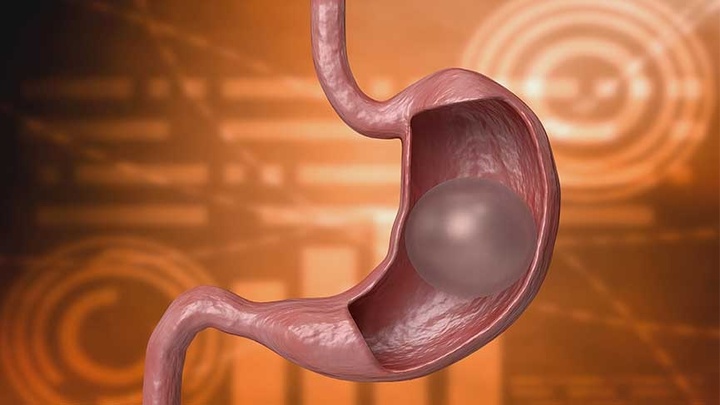
Recovering after Gastric Balloon Placement in Dubai can feel easier when you know what to expect and how to support your body during each stage. The first few days may involve nausea, stomach discomfort, or changes in appetite as your digestive system adjusts to the balloon. With the right aftercare, hydration, diet, and gradual return to normal activities, you can make the recovery period more comfortable and stay focused on your weight-management goals.
What to Expect After Gastric Balloon Placement
Gastric balloon placement is a non-surgical weight-management procedure in which a balloon is placed inside the stomach and filled to occupy space. This can help you feel full sooner and may encourage smaller food portions.
The recovery experience varies from person to person. Some people adjust relatively quickly, while others experience stronger digestive symptoms during the initial days.
Common temporary symptoms can include:
- Nausea or queasiness
- Stomach cramps or discomfort
- Bloating
- Acid reflux or heartburn
- Vomiting
- Reduced appetite
- Feeling full after small amounts of food
These symptoms are generally more noticeable during the early adjustment period. Your healthcare provider may recommend medications or specific dietary measures to help manage them.
It is important not to become alarmed by every change in digestion, but persistent, severe, or worsening symptoms should be discussed with your medical team.
Follow the Recommended Post-Procedure Diet
One of the most important parts of gastric balloon recovery is gradually transitioning your digestive system back to regular foods. Eating too much or progressing through food stages too quickly may increase discomfort.
Your provider will give you specific dietary instructions based on the type of balloon used and your individual situation. In general, the transition may move from liquids to softer foods before regular meals are introduced.
During recovery, focus on:
- Following the prescribed liquid stage: Choose the fluids recommended by your healthcare team and take them slowly.
- Introducing soft foods gradually: When advised, move toward easily digestible foods in small portions.
- Eating slowly: Give your stomach enough time to respond to food.
- Chewing thoroughly: Proper chewing can make digestion easier.
- Avoiding large meals: The balloon reduces stomach capacity, so large portions may cause discomfort.
- Following your provider’s food restrictions: Some foods and drinks may need to be avoided during the early recovery period.
Do not rush the process simply because you start feeling better. Your digestive system may need additional time to adapt.
Stay Hydrated During Recovery
Maintaining adequate hydration is particularly important after Gastric Balloon Placement. Nausea or vomiting during the first few days can make it harder to consume enough fluids, so drinking gradually can be more comfortable than taking large amounts at once.
Take small, frequent sips throughout the day according to your healthcare provider’s instructions. If drinking quickly causes bloating or discomfort, slow down and space your fluids throughout the day.
Water is generally the primary choice for hydration, although your medical team may recommend other suitable fluids during the early dietary stages.
Signs such as persistent vomiting, significant weakness, dizziness, or an inability to keep fluids down should not be ignored. Contact your healthcare provider promptly if these symptoms occur.
Manage Nausea and Stomach Discomfort
Nausea and stomach discomfort are among the most common concerns during the initial gastric balloon recovery period. Your stomach is adjusting to the presence of the balloon, which can temporarily affect digestion and appetite.
Your provider may prescribe medication to help control nausea, vomiting, acid reflux, or stomach discomfort. Take prescribed medications exactly as directed rather than changing the dose yourself.
You can also make recovery easier by following your recommended eating and drinking schedule. Small amounts, slow consumption, and avoiding foods that trigger discomfort may help while your stomach adjusts.
Rest is also valuable during the first part of recovery. Although you may gradually resume normal activities, avoid pushing yourself before your healthcare team confirms that it is appropriate.
If discomfort becomes severe or does not improve as expected, seek medical advice rather than assuming it is simply part of the adjustment process.
Gradually Return to Normal Activities
Recovery does not necessarily mean staying in bed for an extended period. Once your healthcare provider says it is safe, gentle movement can help you gradually return to your normal routine.
Start with light activities and increase them progressively according to your comfort and medical advice. Avoid strenuous exercise or heavy physical activity until you have been cleared to resume it.
As your recovery progresses, your healthcare team may encourage regular physical activity as part of your broader weight-management plan. Combining appropriate nutrition with movement can help you develop sustainable lifestyle habits while the balloon is in place.
It is also important to attend scheduled follow-up appointments. These visits allow your healthcare provider to monitor your adjustment, discuss symptoms, review your eating habits, and provide guidance as your recovery develops.
Build Healthy Habits After Recovery
Once the initial recovery phase has passed, the focus can shift from simply adjusting to the balloon toward developing long-term habits.
A gastric balloon is designed to support portion control and weight management, but your everyday choices remain important. Use the period with the balloon as an opportunity to establish eating patterns that you can maintain beyond the treatment period.
Helpful habits may include:
- Eating smaller portions
- Prioritizing nutritious foods
- Eating meals at a comfortable pace
- Staying properly hydrated
- Following a regular activity routine
- Recognizing hunger and fullness signals
- Keeping follow-up appointments
- Following the nutrition guidance provided by your healthcare team
Avoid treating the balloon as a standalone solution. Professional nutritional guidance and appropriate lifestyle changes can help you make better use of the treatment while supporting your overall weight-management journey.
When Should You Contact Your Healthcare Provider?
Knowing when to seek medical advice is an important part of safe recovery. Mild digestive symptoms can occur after balloon placement, but severe or persistent symptoms require professional assessment.
Contact your healthcare provider if you experience symptoms that concern you, particularly if they are severe, worsening, or preventing you from drinking or eating according to your recovery plan.
Prompt medical attention may be especially important if you have:
- Persistent or severe vomiting
- Inability to keep fluids down
- Severe or increasing abdominal pain
- Significant dehydration symptoms
- Unusual bleeding
- Severe weakness or dizziness
- Symptoms that do not improve as expected
Do not attempt to manage serious symptoms independently. Your healthcare provider can determine whether the symptoms are part of normal adjustment or require further evaluation.
Conclusion
Recovering after a gastric balloon procedure is a gradual process, and knowing what to expect can make the experience less stressful. Following your recommended diet, staying hydrated, managing nausea as directed, gradually returning to activities, and attending follow-up appointments can support a smoother adjustment.
If you are considering Gastric Balloon Placement, discuss your medical history, recovery expectations, dietary plan, and potential risks with a qualified healthcare professional before proceeding. A personalized aftercare plan can help you approach recovery safely while working toward sustainable weight-management habits.
Frequently Asked Questions
1. How long does gastric balloon recovery take?
The adjustment period varies between individuals. Digestive symptoms such as nausea, bloating, or stomach discomfort are often more noticeable during the early days, while the body gradually adapts. Your healthcare provider can give you a more personalized recovery timeline.
2. What can I eat after gastric balloon placement?
Most patients initially follow a staged diet that may progress from liquids to soft foods and eventually regular meals. The exact timing and food choices should follow the instructions provided by your healthcare team.
3. Can I exercise after getting a gastric balloon?
You may usually return to physical activity gradually, but the timing depends on your recovery and the procedure performed. Start with gentle movement when cleared and follow your provider’s instructions before resuming strenuous exercise.
4. What should I do if I experience severe nausea or vomiting?
Contact your healthcare provider if nausea or vomiting is severe, persistent, or prevents you from keeping fluids down. Prompt advice is important because prolonged vomiting can increase the risk of dehydration and other complications