Fight Plaque Buildup with Deep Teeth Scaling and Polishing
Posted by Asthetic health care
177 views
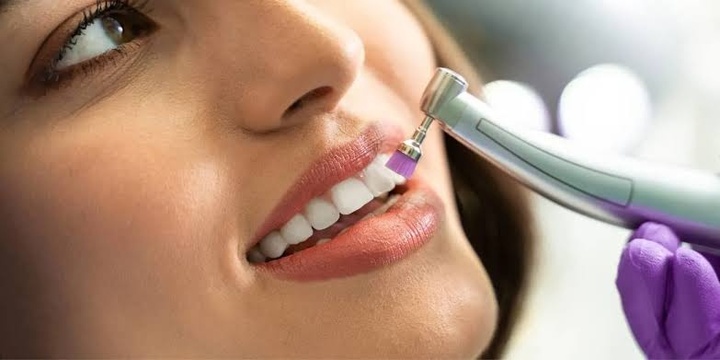
Plaque buildup can leave your teeth feeling rough, looking dull, and more vulnerable to gum problems. While regular brushing and flossing help control everyday plaque, hardened deposits may require professional care. Teeth Polishing & Scaling in Dubai is a practical dental cleaning approach that removes plaque, tartar, and surface stains while helping maintain healthier teeth and gums.
Professional scaling focuses on deposits that cannot be removed effectively with a toothbrush, especially around the gumline and between teeth. Polishing then smooths the tooth surfaces, making it harder for new plaque to accumulate quickly. Together, these procedures provide a deeper level of cleaning than a routine brushing session.
Why Plaque Buildup Needs Professional Attention
Plaque is a sticky film containing bacteria that naturally develops on teeth. It can form after eating and drinking, particularly when oral hygiene is inconsistent. If plaque is not removed properly, it can harden into tartar, also known as dental calculus.
Unlike soft plaque, tartar cannot usually be removed at home with brushing alone. It can accumulate around the gumline and create an environment where bacteria continue to thrive. Over time, this may contribute to gum irritation, bleeding, bad breath, and other oral health concerns.
Professional dental scaling helps address these hardened deposits. By removing tartar from areas that are difficult to clean at home, the procedure supports a cleaner oral environment and helps reduce the effects of plaque accumulation.
How Deep Teeth Scaling Removes Tartar
Dental scaling is designed to remove plaque and tartar from tooth surfaces. Depending on the amount and location of buildup, a dental professional may use specialized instruments or ultrasonic equipment to loosen and remove deposits.
The process generally focuses on areas where plaque tends to remain, including:
- Along and around the gumline
- Between closely positioned teeth
- Behind the lower front teeth
- Around areas that are difficult to reach with a toothbrush
- On tooth surfaces where tartar has hardened
For people with significant buildup, deeper scaling may be recommended to clean areas below or close to the gumline. The exact approach depends on the condition of the teeth and gums and should be determined following a professional dental examination.
Unlike whitening procedures, scaling does not change the natural color of the tooth. Its primary purpose is to remove deposits that are attached to the teeth and support better oral hygiene.
The Role of Teeth Polishing After Scaling
Once tartar and plaque have been removed, polishing can help smooth the exposed tooth surfaces. A professional dental polishing procedure typically uses a specialized polishing material and instrument to reduce surface stains and leave teeth feeling smoother.
Surface stains can develop from foods and drinks such as tea, coffee, and certain strongly colored foods. Smoking or tobacco use can also contribute to staining. Polishing may help reduce these external stains, although it is not a substitute for professional teeth whitening when deeper or intrinsic discoloration is present.
The smooth feeling after polishing is more than a cosmetic benefit. Smoother tooth surfaces can make it easier to maintain daily oral hygiene because there are fewer rough areas where plaque can cling.
This combination makes Teeth Polishing and Scaling in Dubai useful for people who want to address both hardened deposits and surface buildup during professional dental cleaning.
Benefits of Regular Dental Scaling and Polishing
Professional cleaning can be an important part of maintaining oral hygiene, particularly when plaque and tartar repeatedly accumulate despite regular brushing.
Some potential benefits include:
Helps Control Tartar
Tartar develops when plaque becomes hardened. Professional scaling removes these deposits from areas that normal brushing cannot adequately reach.
Supports Gum Health
Tartar around the gumline can irritate the surrounding tissues. Removing accumulated deposits can help support healthier gums when combined with consistent home care.
Reduces Surface Staining
Polishing can remove certain external stains from the tooth surface, helping teeth appear cleaner and brighter without changing their natural shade.
Helps Freshen the Mouth
Plaque and tartar harbor bacteria that can contribute to unpleasant breath. Professional cleaning can help reduce these bacterial deposits and support fresher breath.
Creates a Smoother Tooth Surface
After scaling and polishing, teeth can feel noticeably smoother. This can make routine brushing and flossing more comfortable and effective.
Who May Benefit from Deep Teeth Cleaning?
People with visible tartar, persistent plaque buildup, or staining may benefit from professional scaling and polishing. It can also be useful for individuals who find certain areas of their mouth difficult to clean thoroughly.
A dental professional may recommend a cleaning after examining the teeth and gums. The frequency of professional cleaning varies because oral health needs differ from one person to another.
Factors that may influence how often dental cleaning is recommended include:
- The amount of plaque and tartar buildup
- Gum health
- Daily brushing and flossing habits
- Previous dental problems
- Dietary habits
- Tobacco use
- Individual susceptibility to plaque accumulation
Professional cleaning should complement—not replace—daily oral care. Brushing twice a day with fluoride toothpaste, cleaning between the teeth, and attending dental checkups remain important for long-term oral health.
What to Expect During Teeth Scaling and Polishing
Many people feel nervous about professional dental cleaning because they are unsure what the procedure involves. In most cases, the process begins with an examination of the teeth and gums to determine where plaque and tartar have accumulated.
Scaling is then performed to remove hardened deposits. You may hear sounds from dental instruments during the procedure, and some areas may feel sensitive, particularly if there is substantial tartar or gum inflammation.
After scaling, polishing is performed to clean and smooth the tooth surfaces. The procedure is generally straightforward, although the experience can vary depending on the amount of buildup and the condition of the gums.
Following the appointment, some people may experience temporary sensitivity, especially when consuming very hot or cold foods and drinks. Your dental professional can provide personalized aftercare advice based on your oral health.
How to Prevent Plaque from Building Up Again
Professional scaling removes existing tartar, but plaque can begin forming again shortly after cleaning. Maintaining a consistent oral hygiene routine is therefore essential for keeping teeth and gums clean between dental visits.
Simple habits can make a meaningful difference:
- Brush your teeth twice daily for about two minutes each time.
- Use fluoride toothpaste unless your dental professional recommends otherwise.
- Clean between your teeth daily with floss or another suitable interdental cleaning method.
- Pay attention to the gumline while brushing.
- Limit frequent sugary snacks and drinks.
- Drink water regularly, especially after meals when brushing is not immediately possible.
- Attend dental examinations and professional cleanings as recommended.
Good home care helps control soft plaque, while professional scaling addresses hardened deposits that cannot be effectively removed through routine brushing alone.
Frequently Asked Questions
1. How often should I have teeth scaling and polishing?
The ideal frequency depends on your oral health, plaque accumulation, gum condition, and personal risk factors. Some people may need professional cleaning at routine intervals, while others may require more frequent appointments. A dentist can recommend a schedule after examining your teeth and gums.
2. Does scaling damage the enamel?
When performed correctly by a trained dental professional, scaling is intended to remove plaque and tartar from the tooth surfaces without unnecessarily damaging healthy enamel. Using appropriate instruments and techniques is important for safe treatment.
3. Can polishing remove all types of tooth stains?
Polishing is mainly effective for surface stains caused by external factors such as certain foods, beverages, and tobacco. It cannot remove every type of discoloration. Stains that originate within the tooth may require a different cosmetic dental treatment.
4. Is deep scaling the same as regular teeth cleaning?
Not always. Routine cleaning may focus on removing plaque, tartar, and surface stains above the gumline, while deeper scaling may be recommended when deposits are present around or below the gumline. The appropriate procedure depends on your dental and gum health.
Conclusion
Plaque that is left untreated can harden into tartar and become increasingly difficult to remove with regular brushing. Deep scaling helps eliminate these stubborn deposits, while polishing smooths tooth surfaces and helps reduce certain external stains. Alongside consistent brushing, interdental cleaning, and professional dental checkups, Teeth Polishing & Scaling can play an important role in maintaining a cleaner and healthier mouth. If plaque or tartar continues to build up, a dental examination can help determine the most appropriate cleaning approach for your needs.