Strengthen Damaged Hair Follicles with PRP Hair Treatment
Posted by Asthetic health care
Filed in Health 13 views
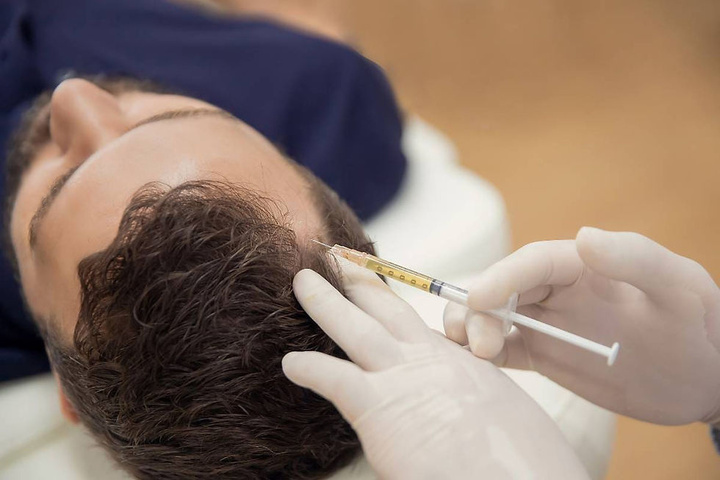
Hair thinning and weakened follicles can gradually affect both hair density and confidence. For people looking for a regenerative approach, the Best PRP Hair Treatment in Dubai can be an option worth discussing with a qualified hair specialist. Platelet-rich plasma (PRP) therapy uses components of your own blood to support the scalp environment and may help encourage healthier hair growth, particularly when follicles are still active.
What Causes Hair Follicles to Become Weak?
Hair follicles can become less productive for several reasons. Genetics, hormonal changes, aging, nutritional deficiencies, prolonged stress, certain medical conditions, and repeated physical or chemical damage may all contribute to hair thinning.
In common forms of pattern hair loss, follicles can gradually shrink, producing finer and shorter hairs over time. This process, known as follicular miniaturization, is different from temporary shedding because the affected follicles may progressively produce less noticeable hair.
Understanding the cause of hair loss is important before considering any treatment. PRP may be more appropriate for some types of hair thinning than others, which is why an individualized scalp and hair assessment is valuable.
How PRP Hair Treatment Supports Hair Follicles
PRP hair therapy begins with a small blood sample. The sample is processed to concentrate platelets and growth factors, and the resulting plasma is carefully introduced into selected areas of the scalp.
Platelets contain biologically active substances involved in tissue repair and signaling. Researchers have proposed that these growth factors may influence the hair-growth cycle and the environment surrounding hair follicles.
The goal is not to create completely new follicles. Instead, PRP hair treatment is generally intended to support existing follicles that have become weakened or are producing thinner hair.
Because PRP is prepared from the patient's own blood, it is considered an autologous treatment. However, individual responses can vary, and PRP should not be presented as a guaranteed cure for hair loss.
Who May Benefit from PRP for Hair Thinning?
PRP may be considered for people experiencing certain forms of nonscarring hair loss, particularly when follicles remain viable. A consultation can help determine whether the treatment is suitable based on the pattern and severity of hair thinning.
Potential candidates may include people who notice:
- Gradual thinning around the crown or top of the scalp
- A widening hair part
- Reduced overall hair density
- Early-stage pattern hair loss
- Thinning hair with follicles that are still producing fine hairs
PRP may be less suitable when follicles have been permanently destroyed or when an underlying condition causing hair loss has not been identified or addressed.
A specialist may also review medications, nutritional factors, scalp health, family history, and other possible contributors before recommending a treatment plan.
What Happens During a PRP Hair Treatment Session?
The procedure is typically performed in several stages. First, a small amount of blood is collected from the patient. It is then processed to separate and concentrate the platelet-rich portion.
After preparing the scalp, the PRP is administered into areas where hair thinning is present. Depending on the individual's treatment plan, multiple injections may be used across the targeted scalp regions.
A typical session may involve:
- Assessment: The scalp and pattern of hair loss are evaluated.
- Blood collection: A small blood sample is taken.
- PRP preparation: The sample is processed to concentrate platelets.
- Scalp preparation: The treatment area is cleaned and prepared.
- PRP application: The platelet-rich plasma is injected into selected scalp areas.
- Aftercare guidance: The specialist provides instructions for caring for the scalp after treatment.
The process is generally performed as an outpatient procedure. Some people may experience temporary redness, tenderness, swelling, or sensitivity at injection sites, but these effects commonly settle within a short period.
Can PRP Help Improve Hair Density?
The effectiveness of PRP for hair loss has been investigated in clinical studies and systematic reviews, with evidence suggesting that it may improve hair density and thickness in some people with androgenetic alopecia. However, research protocols vary considerably, including differences in PRP preparation, injection methods, treatment frequency, and follow-up periods.
This means results should be viewed realistically. PRP is better understood as a treatment that may support weakened follicles rather than an instant solution for advanced baldness.
Visible improvement can also take time because hair grows through a biological cycle. Depending on the individual and the underlying cause of hair loss, changes may become noticeable gradually rather than immediately following a session.
For this reason, treatment plans are often structured over multiple sessions with follow-up assessments. A qualified provider can monitor changes in hair density and determine whether continuing treatment makes sense.
Why Professional Assessment Matters
Hair loss has many possible causes, and treating the wrong cause may lead to disappointing results. A professional evaluation can help distinguish pattern hair loss from other conditions that may require different management.
A specialist may examine the scalp, assess the distribution of thinning, discuss medical history, and recommend additional evaluation when appropriate. This step helps determine whether PRP treatment for hair loss is a reasonable option.
It is also important to discuss expectations before treatment. PRP cannot guarantee complete regrowth, and outcomes can differ according to age, genetics, stage of hair loss, follicle health, and other individual factors.
Choosing an experienced medical provider also allows potential risks and contraindications to be reviewed before treatment. Patients should provide accurate information about medications, bleeding disorders, scalp conditions, and other relevant health factors during consultation.
Supporting Healthier Hair Alongside PRP
PRP works within a broader approach to hair health. While the treatment focuses on the scalp and follicles, everyday habits can also influence the condition of growing hair.
Adequate nutrition, gentle hair care, management of damaging styling practices, and appropriate treatment of scalp conditions can complement a professional hair-loss plan.
It is also important to avoid assuming that every supplement or "hair growth" product will improve follicle health. If nutritional deficiency is suspected, appropriate testing and professional guidance are preferable to taking high-dose supplements without a clear reason.
Conclusion
Strengthening weakened follicles requires realistic expectations and an approach based on the underlying cause of hair loss. PRP may help support existing follicles and improve hair density for some suitable candidates, but its results vary and it is not a universal solution for every type of hair loss. A professional assessment can help determine whether this regenerative approach fits your needs. If you are considering the Best PRP Hair Treatment option, discuss your goals and medical history with a qualified hair specialist to develop an appropriate treatment plan.