Experience Effective Weight Control via Mounjaro Injections
Posted by Asthetic health care
Filed in Health 42 views
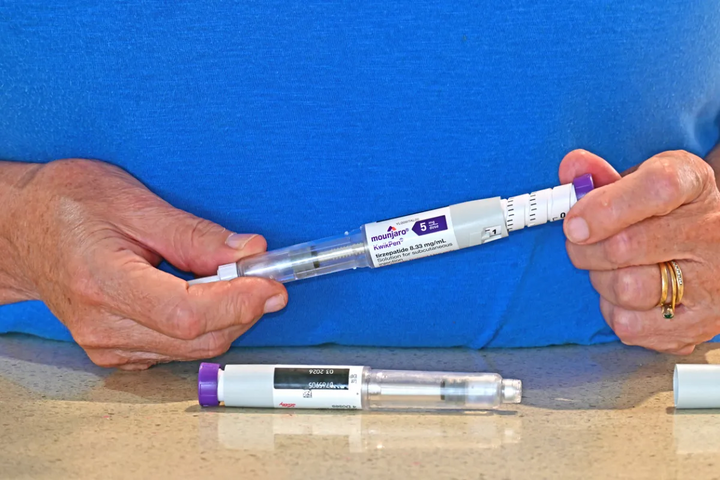
Achieving sustainable weight control can be challenging when diet and exercise alone do not produce the desired results. Mounjaro Injections Dubai may be considered as part of a medically supervised approach for suitable patients, using tirzepatide, a medication that acts on two hormone pathways involved in blood sugar regulation and appetite. Understanding how it works, what results may be possible, and what safety considerations matter can help people make informed decisions about their weight-management journey.
How Mounjaro Supports Weight Control
Mounjaro contains tirzepatide, a medication that activates both glucose-dependent insulinotropic polypeptide (GIP) and glucagon-like peptide-1 (GLP-1) receptors. These pathways influence glucose metabolism, appetite, and energy balance, helping explain why tirzepatide can contribute to significant weight reduction in appropriate patients.
Although Mounjaro is approved in the United States for improving blood sugar control in people with type 2 diabetes, tirzepatide is also approved under the brand name Zepbound for chronic weight management in adults with obesity or overweight accompanied by at least one weight-related condition. The FDA specifies that weight-management use should be combined with a reduced-calorie diet and increased physical activity.
For someone considering Mounjaro for weight loss in Dubai, the important point is that medication should not be viewed as a replacement for healthy habits. Instead, it may form one component of a broader, individualized medical weight-management plan.
What Research Says About Tirzepatide for Weight Loss
Clinical research has demonstrated substantial weight-loss potential with tirzepatide. In the 72-week SURMOUNT-1 trial, adults with obesity or overweight plus a weight-related health condition received once-weekly tirzepatide or placebo alongside lifestyle intervention.
Average weight reduction at week 72 was approximately 15.0% with the 5 mg dose, 19.5% with 10 mg, and 20.9% with 15 mg, compared with 3.1% with placebo. The study also found improvements in several cardiometabolic measures, including waist circumference and blood pressure.
Longer-term evidence has provided additional insight. A follow-up analysis involving participants with obesity and prediabetes found that three years of tirzepatide treatment produced sustained weight reduction and substantially reduced progression to type 2 diabetes compared with placebo, with no new safety signals identified in that analysis.
However, these results represent averages from clinical trials rather than guaranteed outcomes. Individual responses can differ depending on factors such as starting weight, health status, treatment adherence, lifestyle habits, and tolerance of the medication.
What Happens During Mounjaro Treatment?
Mounjaro is administered as a subcutaneous injection, generally once a week. The FDA-approved prescribing information recommends starting at 2.5 mg once weekly for adults with type 2 diabetes, followed by an increase to 5 mg after four weeks; further increases may be made in 2.5 mg increments when clinically appropriate, with at least four weeks between dose adjustments.
The appropriate dose for an individual should always be determined by a qualified healthcare professional rather than selected independently. A gradual dose-escalation approach can help the body adjust to treatment and may be particularly relevant because gastrointestinal effects are among the most frequently reported adverse reactions.
During a medically supervised program, patients may also discuss:
- Current weight and body-mass index
- Existing medical conditions
- Current medications and supplements
- Eating patterns and physical activity
- Previous weight-management attempts
- Treatment goals and expectations
- Potential side effects and contraindications
This assessment helps determine whether tirzepatide is appropriate and how treatment should be monitored.
Supporting Long-Term Weight Management
Medication can make weight control more manageable, but lasting progress usually requires more than injections. Building practical habits around nutrition, movement, sleep, and daily routines can support the overall treatment strategy.
A balanced approach may include:
- Prioritizing nutritious meals: Focus on adequate protein, vegetables, whole foods, and appropriate portions.
- Maintaining hydration: Adequate fluid intake can be especially important if nausea, vomiting, or diarrhea occurs.
- Staying physically active: Regular activity can support cardiovascular health, strength, and weight maintenance.
- Monitoring progress: Weight is only one measure; waist circumference, energy levels, physical function, and metabolic health may also be relevant.
- Following clinical guidance: Medication adjustments should be based on professional assessment rather than short-term changes on the scale.
This combination can make Mounjaro weight management more structured and realistic. The goal is not simply to see a lower number on the scale but to develop a sustainable approach that fits the individual's health needs and lifestyle.
Safety, Side Effects, and Who Should Be Cautious
Mounjaro is a prescription medicine and is not suitable for everyone. The current FDA prescribing information carries a boxed warning concerning thyroid C-cell tumors observed in rats. Mounjaro is contraindicated in people with a personal or family history of medullary thyroid carcinoma or with Multiple Endocrine Neoplasia syndrome type 2.
Common adverse reactions include nausea, diarrhea, decreased appetite, vomiting, constipation, indigestion, and abdominal pain. The prescribing information also identifies more serious potential risks, including pancreatitis, severe gastrointestinal reactions, gallbladder disease, kidney injury related to volume depletion, serious hypersensitivity reactions, and hypoglycemia when used with certain diabetes medications.
People should tell their healthcare provider about all medications they take and any relevant medical history before starting treatment. Pregnancy is another important consideration because the prescribing information warns of potential fetal harm based on animal studies.
Anyone experiencing severe or concerning symptoms should seek medical advice promptly rather than attempting to manage a suspected complication independently.
Making Your Weight-Control Journey More Sustainable
One reason tirzepatide has attracted attention is its potential to support meaningful weight reduction while addressing biological factors involved in appetite and metabolism. Nevertheless, effective treatment depends on appropriate patient selection, correct dosing, regular monitoring, and realistic expectations.
For people researching Mounjaro Injections Dubai, choosing a qualified medical provider is an important step. A professional assessment can help establish whether tirzepatide is appropriate, identify possible contraindications, and create a plan that combines medication with practical lifestyle changes.
Rather than focusing exclusively on rapid weight loss, a better approach is to consider how treatment fits into long-term health goals. Consistent follow-up can also help identify side effects early and determine whether the treatment strategy remains suitable as progress develops.
Conclusion
Effective weight control is rarely about one quick solution. Tirzepatide has demonstrated substantial weight-loss effects in clinical research, but results vary between individuals and treatment should be medically supervised. Combining appropriate medication with nutritious eating, regular physical activity, and ongoing professional monitoring can create a more sustainable path toward healthier weight management.
If you are considering Mounjaro Injections treatment in Dubai, speak with a qualified healthcare professional to determine whether this approach is appropriate for your individual circumstances and goals.