Blogs » Affordable Walk-In Urgent Care: Convenient Medical Care Without an Appointment
Affordable Walk-In Urgent Care: Convenient Medical Care Without an Appointment
Posted by arthur 21 Aug 18
210 views
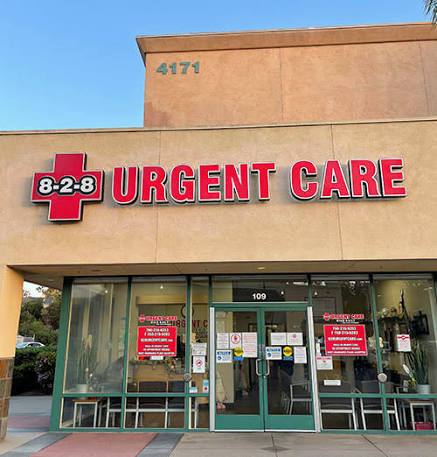
Health concerns do not always happen when a regular doctor's appointment is available. A sudden illness, minor injury, or unexpected medical issue may require prompt attention. Affordable Walk-In Urgent Care can provide a convenient option for people who need timely medical assessment without necessarily booking an appointment in advance.
Walk-in urgent care is generally intended for non-life-threatening conditions that need prompt attention but do not require emergency department services.
What Is Walk-In Urgent Care?
Walk-in urgent care allows patients to visit a medical facility without always having a scheduled appointment. Depending on the clinic, patients may receive assessment and treatment for a range of common illnesses and minor injuries.
Services may include:
- Fever and flu symptoms
- Coughs and sore throats
- Earaches
- Minor cuts
- Sprains and strains
- Minor burns
- Mild allergic reactions
- Certain infections
- Stomach problems
- Minor sports injuries
Available services vary by healthcare provider.
Benefits of Affordable Walk-In Urgent Care
One of the main advantages of walk-in care is convenience. Patients can seek medical attention when a routine appointment is unavailable.
No Appointment May Be Required
Some walk-in clinics allow patients to arrive without scheduling an appointment, making access to care more flexible.
Convenient Medical Attention
Walk-in urgent care can be useful when symptoms need assessment but are not serious enough to require an emergency department.
Potentially Lower Cost
Urgent care may be a more affordable option than emergency department care for certain non-emergency conditions, although actual costs depend on the provider, insurance, services, and location.
Extended Hours
Some urgent care facilities operate during evenings, weekends, or other extended hours. Patients should check the clinic's current schedule before visiting.
Common Reasons to Visit Walk-In Urgent Care
Cold and Flu Symptoms
Coughing, congestion, sore throat, fever, and body aches are common reasons people seek urgent medical assessment.
Minor Injuries
Walk-in clinics may evaluate minor cuts, bruises, sprains, strains, and other uncomplicated injuries.
Ear Problems
Ear pain and some infections can require timely medical evaluation. A healthcare professional can examine the ear and recommend appropriate treatment.
Stomach Issues
Some urgent care clinics evaluate nausea, vomiting, diarrhoea, and other non-emergency digestive complaints.
Mild Allergic Reactions
Some mild allergic symptoms may be assessed at urgent care. Severe allergic reactions require emergency medical attention.
Walk-In Urgent Care for Adults and Children
Some clinics provide care for both adults and children, while others focus on specific age groups.
Before visiting with a child, confirm:
- The clinic's age requirements
- Pediatric services
- Walk-in availability
- Opening hours
- Insurance or payment options
This can help ensure the facility is appropriate for the patient's needs.
Walk-In Urgent Care vs Emergency Room
Knowing the difference between urgent care and emergency care is important.
Walk-in urgent care is generally designed for non-life-threatening conditions requiring prompt attention.
An emergency department is intended for serious or potentially life-threatening conditions.
Emergency symptoms can include:
- Severe difficulty breathing
- Chest pain
- Unresponsiveness
- Severe bleeding
- Serious injuries
- Seizures
- Severe allergic reactions
- Other potentially life-threatening symptoms
If you believe a condition is an emergency, seek emergency medical attention rather than waiting at an urgent care clinic.
How to Find Affordable Walk-In Urgent Care
When looking for Affordable Walk-In Urgent Care, don't focus only on the advertised price. Consider the complete cost of the visit and what services are included.
Check:
- Consultation fees
- Insurance acceptance
- Additional testing costs
- Medication or treatment costs
- Opening hours
- Walk-in availability
- Services provided
Asking about costs before treatment can help avoid unexpected expenses.
What to Bring to a Walk-In Clinic
Patients can make their visit easier by bringing relevant information.
Consider bringing:
- Identification
- Insurance card, if applicable
- Current medication list
- Allergy information
- Relevant medical history
- Details about current symptoms
- Previous medical records when useful
Clearly explain when the symptoms started and whether they have become better or worse.
Preparing for Your Visit
Although an appointment may not be required, preparation can help reduce delays.
Before visiting, check whether the clinic:
- Accepts walk-ins
- Is currently open
- Treats your age group
- Provides the service you need
- Accepts your insurance
- Offers required diagnostic services
This is particularly useful outside normal business hours.
When Walk-In Urgent Care May Not Be Suitable
Walk-in urgent care is not a replacement for emergency services or regular primary care.
For ongoing health conditions, routine appointments may be more appropriate. For severe or potentially life-threatening symptoms, emergency medical services should be used.
If you are uncertain about the seriousness of a medical problem, seek appropriate professional medical advice rather than delaying care.
Choosing a Walk-In Urgent Care Clinic
A suitable clinic should provide clear information about its services, costs, hours, and patient requirements.
You may want to ask:
- Do you accept walk-in patients?
- What conditions do you treat?
- Do you provide same-day care?
- Do you treat children?
- What are your operating hours?
- Do you accept my insurance?
- Are additional tests available?
- What should I do if my condition becomes more serious?
Comparing these details can help you find a convenient and affordable option.
Final Thoughts
Affordable Walk-In Urgent Care can provide convenient access to medical assessment for many common illnesses and minor injuries. The ability to walk in without a traditional appointment can be especially useful when a primary care provider is unavailable.
Before visiting, confirm the clinic's opening hours, services, costs, age requirements, and insurance policies. For serious or potentially life-threatening conditions, seek emergency medical attention instead of relying on urgent care.
FAQs
1. What is walk-in urgent care?
Walk-in urgent care provides medical assessment and treatment without necessarily requiring a scheduled appointment. It is generally intended for non-life-threatening illnesses and minor injuries.
2. Is walk-in urgent care affordable?
Costs vary depending on the clinic, insurance coverage, treatment, and diagnostic services required. Compare the total expected cost rather than just the consultation fee.
3. Do I need an appointment for walk-in urgent care?
Not always. Many walk-in clinics accept patients without appointments, but policies vary. It is best to check before visiting.
4. What conditions can walk-in urgent care treat?
Depending on the provider, services may include treatment for minor injuries, fever, cold and flu symptoms, sore throats, earaches, certain infections, and other non-emergency conditions.
5. Can children visit walk-in urgent care?
Some clinics treat children, while others have specific age requirements. Confirm the clinic's pediatric services before visiting.
6. Is urgent care cheaper than an emergency room?
For non-emergency conditions, urgent care may cost less than an emergency department, but prices vary significantly by provider, insurance, and treatment required.
7. Can I visit urgent care at night or on weekends?
Some clinics offer evening or weekend hours. Check the provider's current opening schedule before travelling.
8. When should I go to the emergency room instead?
Severe breathing difficulties, chest pain, unresponsiveness, severe bleeding, seizures, serious injuries, and other potentially life-threatening conditions require emergency medical attention.