How to Choose Concrete Contractors in Billings, MT
Posted by Roy Wilson
167 views
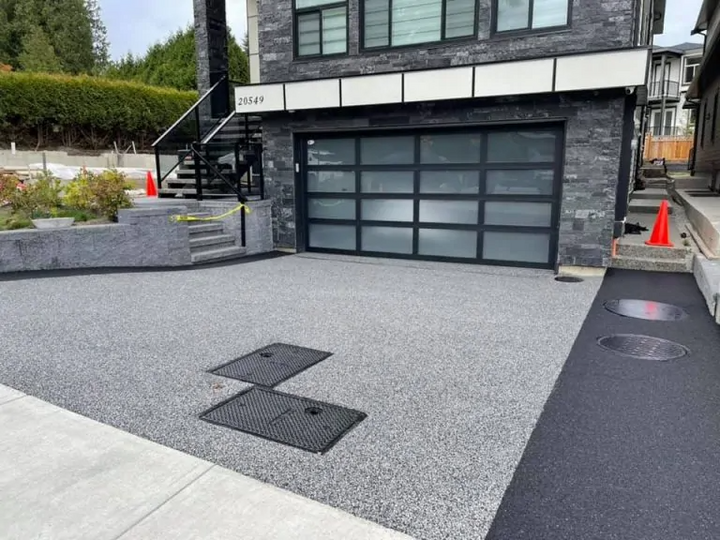
A cracked driveway or a sinking patio has a way of getting worse quietly. One winter turns a hairline crack into a gap. By spring, the repair costs more than it should have. That is why so many homeowners start looking for concrete contractors in Billings, MT before small problems grow into big ones.
Concrete is one of those things people rarely think about until it fails. But the quality of the work matters for years. A good pour lasts decades. A rushed one starts flaking within a season. This article explains what separates solid concrete work from the kind that ages badly, and what to look for before hiring anyone.
What Concrete Contractors Actually Do
A concrete contractor handles more than mixing and pouring. The real work happens before the truck arrives.
Site preparation sets the stage. That means grading the ground, compacting the base, and setting forms so the slab holds its shape. Skip this part and even perfect concrete will crack. Think of it like baking. The oven matters, but so does the pan.
Good contractors also plan for water. Concrete needs to drain, or it holds moisture and breaks down faster in freeze-thaw cycles. In a place with real winters, that detail is not optional.
Why the Base Matters More Than the Mix
Most people focus on the concrete itself. The base underneath it usually decides how long the surface lasts.
A properly compacted gravel base gives the slab something firm to rest on. Without it, the ground shifts, and the concrete follows. That is where those long diagonal cracks come from.
Here is the simple version. Strong base, stable slab. Weak base, early cracks. When you talk to any contractor, ask how they prepare the ground. The answer tells you a lot.
Signs of Quality Work
Good concrete work looks boring in the best way. Even color. Clean edges. A surface that drains water instead of pooling it.
Watch for control joints too. Those are the grooves cut into driveways and sidewalks. They are not decoration. They tell the concrete where to crack, so it cracks in a straight line instead of a messy one.
Instead of judging a job by how fast it was finished, try judging it by how clean the edges are and how well it sheds water. Speed hides problems. Detail reveals care.
Real-World Situations Homeowners Face
Consider a family in Billings, MT with a driveway that floods every time it rains. The concrete was fine. The slope was not. A contractor who plans drainage first avoids that entire headache.
Or take a homeowner planning a new patio. They want it poured in October to save money. A careful contractor might advise waiting, because pouring in cold weather without protection weakens the finished slab. Honest timing advice matters more than a quick yes.
These situations show up across the region. The same care applies to concrete driveway installation in Great Falls, MT, where winters test every slab that was not poured with drainage and base in mind. Local crews understand this because they see the damage firsthand.
Choosing the Right Contractor
Experience with local conditions counts. A contractor who has worked through several Montana winters knows how concrete behaves when the ground freezes and thaws.
Ask about their past projects. Ask how they handle base prep and drainage. Ask what happens if a problem shows up later. Clear answers signal a crew that stands behind its work.
Some established local companies, such as Grizzly Construction, have built their reputation on this kind of steady, detail-first approach rather than rushed jobs. Reputation in a smaller market spreads by word of mouth, so it usually reflects the truth.
The Cost of Cutting Corners
Cheap concrete work is rarely cheap in the long run. A slab that fails early has to be torn out and replaced, which costs more than doing it right once.
This is not a guarantee that the highest price wins. It is a reminder that the lowest bid often skips the parts you cannot see, like base compaction and proper curing time. Those hidden steps are exactly the ones that make concrete last.
A Simple Way to Compare Quotes
When quotes come in, do not just compare the totals. Compare what each one includes.
One quote might list base prep, drainage, and control joints. Another might list only the pour. The second one looks cheaper until you realize what is missing. Read the details, not just the number at the bottom.
Pick two or three contractors, get itemized quotes, and put them side by side. The differences will show themselves.
Final Takeaway
Good concrete work comes down to preparation, drainage, and honest advice. The pour is the easy part. Everything underneath it decides how long the surface holds up.
If you are weighing concrete contractors in Billings, MT, focus less on speed and price alone. Focus on how carefully they handle the ground, the water, and the timing. Ask direct questions and read every quote line by line. That habit alone will save you money and years of frustration.
Frequently Asked Questions
How long does concrete take to cure?
Concrete usually hardens enough to walk on within 24 to 48 hours. Full strength takes about 28 days. Avoid heavy vehicles until the curing period is well underway.
What causes concrete driveways to crack?
Most cracks come from a weak or poorly compacted base, poor drainage, or shifting soil. Freeze-thaw cycles in cold climates speed up the damage when water gets in.
When is the best time to pour concrete?
Mild, dry weather is ideal. Extreme cold or heat affects curing. In colder regions, late spring through early fall gives the most reliable results without extra protection.
How do I know if a contractor is doing the base right?
Ask how they grade and compact the ground before pouring. A clear, specific answer about gravel depth and compaction is a good sign. Vague answers are a warning.
Is the cheapest quote worth it?
Not always. Low bids often skip base prep or curing time. Compare what each quote includes, not just the final price, before deciding.