What to Know About Full Home Wiring Installation in Kingston, NY
Posted by Roy Wilson
206 views
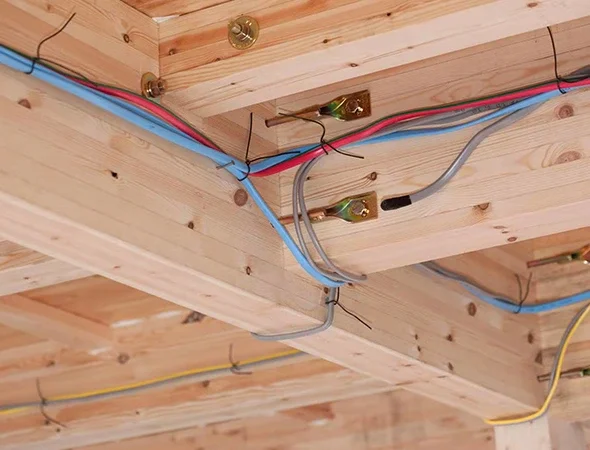
Old wiring rarely gives a warning. A dimming light here, a warm outlet there, a breaker that trips for no clear reason. In many older Hudson Valley homes, these small signs point to something bigger underneath the walls.
That is where full home wiring installation in Kingston, NY comes into the picture. It is the process of replacing a home's entire electrical system, from the panel to the outlets. For houses built decades ago, it is often the safest long-term fix.
Why Older Homes Reach This Point
Wiring has a lifespan. Materials degrade, insulation cracks, and older setups were never designed for modern power loads.
Think of a home built in the 1950s. Back then, a family might run a radio, a few lamps, and a refrigerator. Today that same house handles air conditioners, microwaves, gaming consoles, and a dozen charging cables at once.
The old system simply was not built for that demand. When it is pushed past its limits, the risk of overheating and electrical fires goes up.
What the Process Actually Involves
A full rewire is more involved than swapping a single outlet. An electrician maps the existing system, then replaces old cables, updates the electrical panel, and brings everything in line with current safety codes.
Much of the work happens behind walls and under floors. In an occupied home, that means careful planning to limit disruption.
The result is a system built for how people live now. More capacity, safer connections, and fewer nagging problems that never seem to get fixed.
The Benefits Worth Knowing
Safety is the first and biggest reason. Updated wiring lowers fire risk and reduces the chance of shocks from faulty connections.
There is also everyday reliability. No more flickering lights when the dryer kicks on, and no more tripping breakers during dinner.
Home value plays a role too. Buyers and inspectors pay close attention to electrical systems. A recent rewire is a clear selling point, and it removes a common sticking point during a sale.
Insurance is another quiet factor. Some providers charge more, or hesitate to cover, homes with outdated wiring like knob-and-tube.
Real Situations Where It Matters
Picture a couple buying a charming older home near Kingston, NY. The inspection flags aluminum wiring, and their insurer asks for an upgrade before finalizing the policy. A full rewire clears the path.
Or consider a growing family adding a home office and a finished basement. The existing panel cannot support the new load, so an upgrade becomes the practical starting point.
Electrical needs also stretch beyond permanent homes. Event and venue work, such as custom wedding lighting in Peekskill, NY, calls for careful load planning so nothing overloads mid-celebration. The core idea is the same: match the electrical system to the real demand placed on it.
Local electricians handle both worlds. Firms across the region, including teams like Lightsmith Electric, work on residential rewires and specialty setups such as custom wedding lighting in Peekskill, NY.
A Simple Way to Think About It
You do not need to understand every wire in your walls to know when something is off, in the same way you do not need to be a mechanic to notice a strange noise in your car.
Watch for the signs. Trust a licensed professional to inspect the details. A proper full home wiring installation in Kingston, NY protects the people inside long after the work is done.
Frequently Asked Questions
How long does a full home rewire take?
Most homes take between three and ten days, depending on size and layout. Older houses with hard-to-reach spaces often sit on the longer end.
How do I know if my house needs rewiring?
Common signs include frequent tripped breakers, warm or discolored outlets, flickering lights, and a burning smell. Homes with knob-and-tube or aluminum wiring are strong candidates too.
Do I need a permit for electrical rewiring?
Yes. In most parts of New York, rewiring requires a permit and a final inspection. A licensed electrician typically handles this paperwork.
Can I stay in my home during the work?
Often, yes. Power gets shut off in sections, so many families remain at home. Larger projects may call for short periods without power in certain rooms.
Is rewiring worth the cost?
For older or unsafe systems, it usually is. The upgrade reduces fire risk, improves reliability, and can make a home easier to insure and sell.