How Water Leaks Can Reveal Problems With Previous Auto Body Repairs
Posted by CARSTAR Spectrum Auto Inc
Filed in Other 52 views
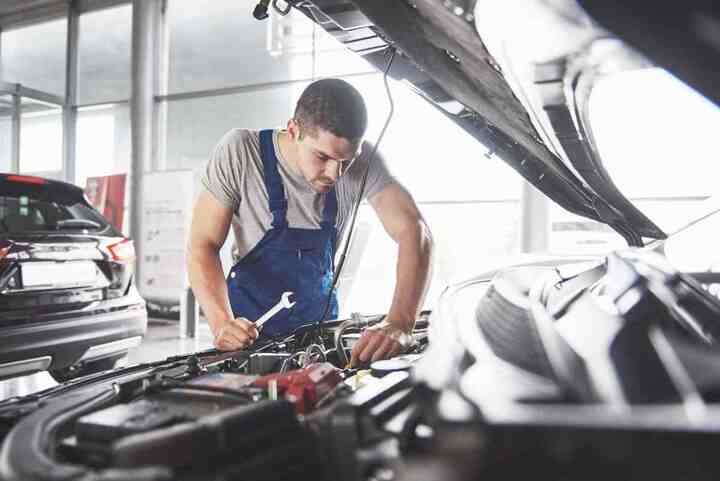
A damp carpet or a musty smell might seem like a minor annoyance, but it can sometimes point to something bigger than a single loose seal. In 2026, a growing number of vehicle owners are discovering that a persistent leak traces back to work that was never finished properly in the first place. That discovery often comes as a surprise, especially when the repair happened long enough ago that it wasn't top of mind.
If your vehicle went through auto accident repair with a different shop and you're now noticing dampness, the leak itself may matter less than what it's telling you about the work underneath. A leak that shows up months or years later is often a sign that something was missed the first time around.
What a Persistent Water Leak Can Indicate
Not every leak points to a past repair issue, but several common patterns do. A leak is worth investigating further when it comes with any of the following:
-
Dampness on only one side of the vehicle, near a panel that shows signs of past bodywork
-
A musty smell that returns after cleaning, suggesting trapped moisture behind trim
-
Paint or panel gaps that don't quite match the surrounding factory finish
-
A leak that began sometime after a repair rather than when the vehicle was new
None of these signs confirm a problem on their own, but together they're a reasonable basis for asking a shop to take a closer look at what's underneath the surface. Vehicles that have changed hands since the original repair are especially worth a closer look, since the current owner may not have full visibility into what work was actually performed.
Why a Water Leak After Auto Accident Repair Deserves a Second Look
Vehicle history isn't always fully visible at a glance, even to the owner. Undisclosed or incomplete past damage is more common than most drivers assume.
"As many as 530,000 flood-damaged vehicles were on U.S. roads as of August 2025." — CARFAX data, reported by the National Insurance Crime Bureau
That figure covers flood damage specifically, but it illustrates a broader point: a vehicle's visible condition doesn't always match its full repair history. A leak that seems unrelated to any known accident can be a clue worth following rather than dismissing, especially on a vehicle that changed owners after its repair was completed.
Signs Your Previous Repair Wasn't Done Thoroughly
A rushed or incomplete repair often leaves small, specific traces. Overspray on nearby trim, panel gaps that are slightly uneven, or a seal that looks newer than the panel around it can all point to work that didn't fully address the original damage. None of these details are obvious during a quick walk-around, which is exactly why they tend to go unnoticed until a symptom like a leak brings them to the surface.
Government guidance backs up how detailed a proper repair needs to be. A technical service bulletin filed with the National Highway Traffic Safety Administration walks technicians through a multi-step inspection for a single rear-area water leak, covering grommets, seals, and body openings individually. That level of detail is the standard a repair should meet the first time, not something added only after a leak appears.
Getting a Second Opinion at an Autobody Repair Shop in West Nyack NY
Bringing a vehicle in for a fresh look after auto accident repair elsewhere doesn't mean starting the repair over. In most cases, it means a technician traces the current symptom back to its likely source before recommending any work. Owners are often relieved to learn the fix is smaller than they expected once the actual cause is identified.
Technicians who hold current I-CAR training are taught to document what they find, including whether an issue appears to stem from prior repair work rather than normal wear. That documentation gives you a clear picture before deciding how to proceed, and it can also be useful if you ever need to discuss the vehicle's history with an insurer or a future buyer.
For additional information about vehicle appearance and refinishing considerations, read How Much Does a Full Car Paint Job Cost in New York? Complete Guide for Vehicle Owners.
What an Inspection Typically Covers
Most car body repair in West Nyack inspections start with a conversation about when the leak appeared and whether the vehicle had prior accident repair. From there, a technician typically runs a water test, checks panel alignment, and inspects the seals and grommets in the affected area.
Spectrum Auto Inc. operates as an I-CAR Gold Class certified facility with I-CAR Platinum-certified technicians, and treats this kind of diagnostic visit as a standard part of collision and auto body service rather than an unusual request. Whether the original repair was completed last year or well before you owned the vehicle, the diagnostic process looks the same.
Not every autobody repair shop documents its findings this thoroughly, which is part of why a second opinion can be worthwhile even on older repair work. With more than 30 years of experience across its West Nyack, Montrose, and Wurtsboro locations, Spectrum Auto builds its process around clear communication at every step.
Contact Spectrum Auto if you'd like a technician to take a look at a persistent leak, regardless of where the original repair was completed.
Frequently Asked Questions
Q: Can a water leak really be connected to an old repair?
Yes. A seal, panel, or drain channel disturbed during an earlier repair can develop a leak long after the original work was completed, especially once the material begins to wear or shift.
Q: Is it worth getting a second opinion if my vehicle was repaired somewhere else?
It can be. A fresh inspection can confirm whether the leak is related to prior work or a separate, unrelated issue, which helps you decide on the right next step.
Q: What should I bring to an inspection appointment?
Any paperwork from the original auto accident repair is helpful if you have it, though it isn't required. Being able to describe when and where the leak appears is often just as useful.
Q: Does a leak always mean the original repair was done poorly?
Not necessarily. Seals and weatherstripping can wear down naturally over time, even on well-executed repairs, so age alone can explain some leaks. An inspection is the most reliable way to tell the difference.
Q: How soon should I get a leak checked out?
Sooner is generally better, since ongoing moisture can affect wiring, upholstery, and interior components the longer it goes unaddressed. A prompt inspection helps limit any additional damage.