Why Long Island Landscape Lighting Installation Starts With the Right Electrical Foundation
Posted by Meyers Wires
Filed in Business 176 views
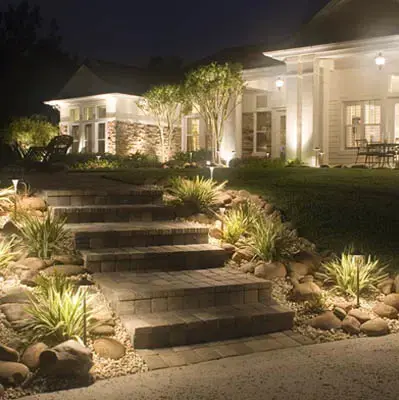
For homeowners across Nassau and Suffolk County, curb appeal doesn't end when the sun goes down. A well-lit property extends the beauty of a landscape into the evening hours, highlighting mature trees, stone pathways, and architectural details that would otherwise disappear in the dark. That's exactly why so many property owners are turning to Long Island landscape lighting installation as a way to boost both safety and visual impact around their homes. But before a single fixture goes into the ground, there's a critical step that too many people overlook: making sure the electrical groundwork is done correctly.
The Growing Demand for Outdoor Lighting on Long Island
Long Island's mix of historic properties, waterfront homes, and newer developments has created a steady appetite for outdoor lighting design. Whether it's a Colonial in Garden City or a modern build near the Great South Bay, homeowners want their exteriors to feel just as intentional at night as they do during the day. Landscape lighting isn't just about aesthetics anymore — it plays a real role in home security, deterring potential intruders by eliminating dark corners around entry points, driveways, and side yards.
Beyond security, there's the simple matter of usability. Families who enjoy their backyards for evening gatherings, pool parties, or quiet dinners on the patio need reliable illumination that doesn't feel harsh or artificial. Low-voltage path lights, uplighting for trees, and subtle deck lighting have become popular choices because they create ambiance without turning a backyard into a stadium. As more homeowners invest in outdoor living spaces, the demand for professional lighting design and installation has followed right along with it.
What Goes Into a Proper Installation
A landscape lighting project is more involved than simply pushing a few stake lights into the soil. It typically starts with a site walk-through, where a designer maps out focal points — a specimen tree, a retaining wall, a water feature — and decides how each should be lit. From there, decisions need to be made about fixture placement, beam angles, and wiring runs, all while keeping the transformer sized appropriately for the total lighting load.
Wiring is where many DIY attempts start to fall apart. Low-voltage systems still require careful planning to avoid voltage drop over long runs, and connections need to be weatherproofed to survive Long Island's humid summers and freezing winters. Poorly buried or spliced wiring is one of the most common reasons a lighting system fails within its first year, leading to flickering fixtures, dead zones, or complete outages. This is precisely the kind of work that benefits from an electrician's eye, not just a landscaper's.
Why Electrical Expertise Matters More Than People Expect
This is where a company like Meyers Wires electrician services becomes relevant to the conversation. While plenty of landscaping companies offer lighting as an add-on service, the electrical side of the job — running circuits safely, sizing transformers correctly, and ensuring GFCI protection where required — is genuinely a licensed electrician's territory. An experienced electrical contractor understands local code requirements, knows how to integrate a new lighting circuit into an existing panel without overloading it, and can troubleshoot issues that go beyond a simple bulb replacement.
Homeowners who skip this step sometimes find themselves with systems that technically "work" but were never installed to code. That can create problems down the line, whether it's an inspection issue during a home sale or a safety hazard buried under mulch. Bringing in a qualified electrician alongside a lighting designer isn't overkill — it's the difference between a system that looks good for one season and one that holds up reliably for a decade.
Choosing Fixtures and Layouts That Actually Last
Not all landscape lighting fixtures are created equal, and this is another area where Long Island's climate plays a role. Salt air near the coast, freeze-thaw cycles inland, and heavy seasonal rainfall all take a toll on lower-quality fixtures. Brass and copper housings tend to outperform plastic composites over time, developing a natural patina rather than cracking or fading.
Layout matters just as much as fixture quality. A common mistake is over-lighting a property, which flattens the visual depth that good lighting is supposed to create. Professionals typically aim for layered lighting — combining uplights, downlights, and path lights at varying intensities — so that the eye is drawn naturally through the landscape rather than overwhelmed by a flat wash of brightness. Dimmable LED transformers have also made it easier to adjust the mood of a property throughout the year, brighter for holiday gatherings, softer for a quiet weeknight.
Maintenance and Long-Term Reliability
Even the best-installed system needs occasional attention. Fixtures shift as soil settles, mulch can bury lenses, and connections can loosen after a hard winter. A short seasonal check — testing each fixture, cleaning lenses, and inspecting exposed wiring — goes a long way toward keeping a system performing the way it did on day one. Many homeowners choose to bundle this kind of maintenance with their existing landscaping service, while others prefer to have the original installer handle it, since they're already familiar with the wiring layout and transformer settings.
For anyone budgeting for a project like this, it's worth getting quotes that separate the design and fixture costs from the electrical labor. That transparency makes it easier to compare providers and to understand exactly what you're paying for, whether that's a full-service landscape lighting company or a coordinated effort between a designer and a licensed electrician.
Bringing It All Together
A landscape lighting system is one of those home improvements that pays off every single evening, not just at resale. Getting there, though, depends on more than picking attractive fixtures. It requires thoughtful design, quality materials suited to Long Island's climate, and — critically — electrical work that's done safely and up to code. Homeowners who treat the wiring and transformer sizing as seriously as the fixture selection tend to end up with systems that last far longer and perform far more reliably.
Whether you're starting from scratch on a new build or upgrading an outdated system that's never quite worked right, pairing a qualified lighting designer with an experienced electrical contractor is the surest way to get a result that looks great and holds up for years to come.