Full Custom Redesign for Old Rings: How Long Island Jewelers Give Heirlooms New Life
Posted by EFG Designs
Filed in Business 202 views
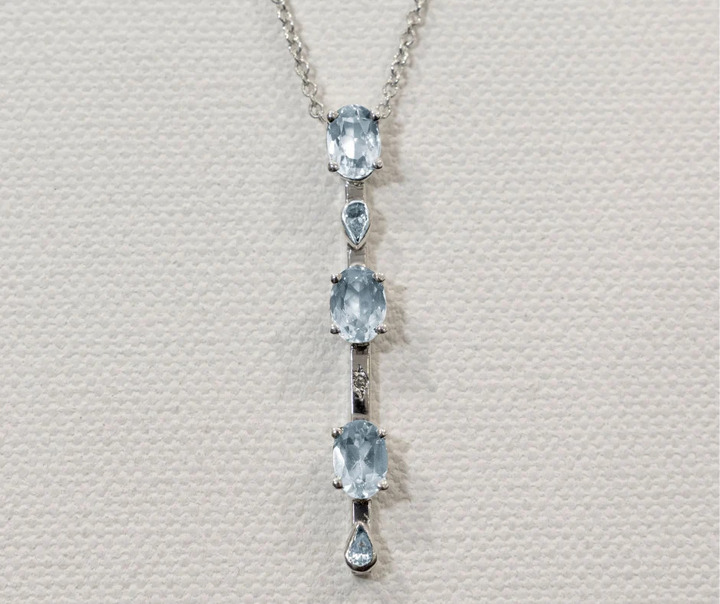
There is a particular kind of ring that sits in the back of a jewelry box for years, not because it is unwanted, but because it no longer fits the life its owner is living. Maybe it was a mother's engagement ring, set in a style popular decades ago, or a grandmother's wedding band with prongs worn thin from years of wear. These rings carry weight far beyond their gold or platinum content, and that is exactly why so many families across the island are searching for a full custom redesign for old rings Long Island jewelers can actually deliver, rather than a simple resize or a generic repair job. A true redesign is a different kind of work. It asks a jeweler to look at an old piece and see two things at once: what it used to be, and what it could become for the next chapter of someone's life.
The appeal of redesigning an old ring instead of buying something new is not just financial, though that is part of it. It is emotional. A stone that belonged to a great-aunt, a band engraved with initials from 1962, a setting chosen by a father for a mother he adored decades ago, these objects hold memory in a way a brand-new purchase never could. When someone brings that kind of ring in and asks for a full redesign, they are not asking a jeweler to erase the past. They are asking for help translating it into something they will actually wear, something that fits their hand, their style, and their present-day life, while keeping the sentiment fully intact.
What Actually Happens During a Redesign
People are often surprised by how much of the original piece survives the process. In most cases, the stones are the heart of the project. A center diamond that has been in a family for generations does not need to be replaced; it needs a new home. A skilled jeweler will remove the stone, inspect it under magnification, clean it, and sometimes even recut or repolish it slightly to bring back brilliance that decades of daily wear have dulled. The metal is a different story. Old gold and platinum can often be melted down and reused in the new setting, which means the redesign is not just sentimental, it is also sustainable. Nothing meaningful gets thrown away.
From there, the design conversation begins in earnest. Some clients want something completely different from the original, a vintage solitaire transformed into a modern halo, or a heavy antique band reshaped into something slimmer and more comfortable for daily wear. Others want the opposite: they want the redesign to feel like a gentle update rather than a transformation, preserving the character of the original while fixing practical issues like a loose setting or an outdated shank. Both approaches count as a real redesign, and a good jeweler will ask thoughtful questions before assuming which direction a client wants to go.
Why Location and Craftsmanship Matter So Much Here
This is not a project to hand off to just anyone. Redesign work requires a jeweler who is comfortable with both the technical side, stone setting, metal casting, sizing, and the more subjective side of translating a client's vague description ("I want it to feel like hers, but mine") into an actual piece of jewelry. That is a large part of why people specifically look for a full custom redesign for old rings NYC families trust, rather than settling for the first storefront they pass. The stakes feel higher with a piece that already has history attached to it. There is no room for a rushed setting job or a stone that gets scratched during removal.
Working with a local jeweler also makes the process far less stressful than mailing an heirloom to some anonymous online service. Being able to sit down, hand over the ring in person, and talk through options face to face gives people real peace of mind. It also allows for a back-and-forth that a purely digital process cannot replicate. Sketches get revised. Metal samples get held up against skin tone. Questions get answered on the spot instead of through a slow email chain, which matters enormously when the object on the table is irreplaceable.
The Design and Approval Process
Most reputable redesign projects follow a similar rhythm. First comes the consultation, where the jeweler examines the ring, discusses the client's goals, and talks through budget and timeline honestly. Next comes a rendering or wax model, giving the client a preview of the new design before any metal is melted or any stone is removed. This step matters more than people realize; it is much easier to adjust a digital rendering than a finished ring. Once the design is approved, the real transformation begins, casting the new setting, preparing the stones, and carefully assembling the finished piece. Quality control checks typically follow, examining prong tension, stone security, and finish quality before the ring is polished and handed back.
Timelines vary. A simple update might take a couple of weeks, while combining multiple old pieces into one new design can take a month or longer. Good jewelers stay upfront about this rather than promising unrealistic turnaround times.
Rings Worth Reimagining
Not every old ring needs a full redesign, but certain situations call for it clearly. A ring inherited from multiple family members, where someone wants to combine stones from a grandmother's ring and a mother's ring into one piece, is a classic example. So is a ring that has simply become impractical, prongs too worn to trust, a setting so dated it no longer feels wearable, or a size that no longer fits after years of change. Sometimes the reason is simpler still: someone wants to turn a ring they inherited but never wear into something that finally fits their personal style, so the sentimental value stops sitting untouched in a drawer.
There is also a quieter category of client: someone going through a life transition who wants to transform a ring connected to an old chapter into something that represents where they are now. A thoughtful jeweler treats this kind of request with the same care as any other, understanding that the emotional stakes are just as real as the technical ones.
Choosing someone to trust with this kind of project is ultimately about communication as much as skill. The right jeweler listens closely, sets realistic expectations, and treats an old, worn ring with the same respect as a brand-new commission, because in every meaningful sense, it is one.
Before committing to any redesign, it is worth asking to see photos of a jeweler's previous work, ideally projects similar in scope to what you have in mind. A portfolio full of simple resizing jobs is not the same as a track record of full transformations involving stone recycling and creative reimagining of dated settings. It also helps to ask about warranty coverage, since this reveals how much a jeweler genuinely values the pieces entrusted to them. In the end, a ring that once felt stuck in the past can become something worn proudly every single day, carrying its history quietly forward into the years ahead.