Psychological Causes Behind Premature Ejaculation Treatment Needs
Posted by DR Aravind IVF
Filed in Health 23 views
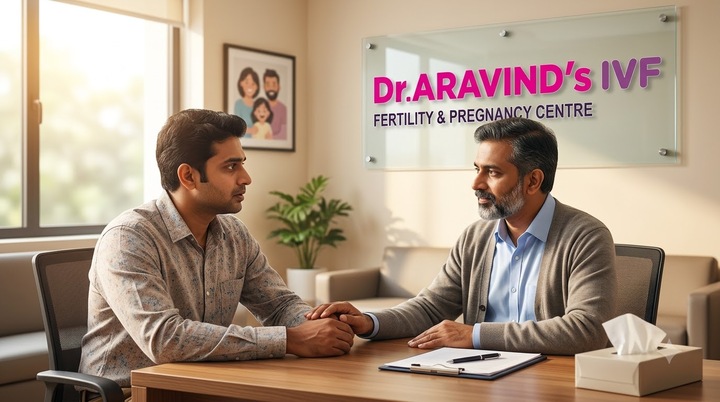
Premature Ejaculation Treatment may sometimes be needed when emotional and psychological factors repeatedly affect a man's ability to control ejaculation. Sexual function is influenced by both the body and the mind, so anxiety, stress, relationship concerns, and past experiences can sometimes contribute to the problem.
Understanding these influences can help men avoid unnecessary embarrassment and recognize when professional support may be useful.
How Does the Mind Affect Sexual Response?
Sexual arousal involves communication between the brain, nervous system, hormones, and reproductive organs.
When a man feels relaxed and comfortable, he may be better able to notice changes in arousal. However, fear, pressure, or excessive self-monitoring can increase tension and make it harder to slow down.
This does not mean the problem is imaginary. Psychological factors can produce genuine physical changes in sexual response.
Performance Anxiety
One of the common psychological contributors is performance anxiety.
A man may worry about:
-
Ejaculating too soon
-
Satisfying his partner
-
Losing his erection
-
Being judged
-
Having a disappointing sexual experience
These thoughts can increase physical tension and make sexual activity feel rushed.
Ironically, worrying about early ejaculation can sometimes make it more difficult to control.
Stress and Mental Pressure
Work problems, financial concerns, family responsibilities, relationship conflicts, or major life changes can affect sexual wellbeing.
When the mind remains under pressure, relaxation during intimacy may become difficult.
Stress does not automatically cause premature ejaculation, but it can contribute to sexual difficulties in some men.
Managing the underlying pressure may therefore be an important part of improving sexual confidence.
Relationship Concerns
Emotional connection can influence sexual experiences.
Unresolved disagreements, lack of communication, fear of disappointing a partner, or discomfort discussing sexual needs may increase anxiety during intimacy.
Open and respectful communication can reduce unnecessary pressure.
Partners can discuss preferences, pace, pauses, and expectations without treating sexual activity as a performance test.
Previous Sexual Experiences
Past experiences can sometimes influence current sexual behavior.
For example, a man who learned to masturbate very quickly because of privacy concerns may develop a habit of reaching ejaculation rapidly.
This does not mean the habit is permanent.
With greater awareness and behavioral practice, some men can learn to recognize arousal earlier and develop better control.
Fear of Losing an Erection
Some men experience both erectile difficulties and premature ejaculation.
If a man worries that his erection may disappear, he may unconsciously rush sexual activity.
That urgency can contribute to earlier ejaculation.
In such cases, addressing the erectile concern may be an important part of improving the overall sexual experience.
Depression and Emotional Difficulties
Depression can affect sexual desire, confidence, concentration, and relationship satisfaction.
Some medications used for mental health conditions can also influence sexual function.
If ejaculation difficulties begin after starting a medication, do not stop it independently. Discuss the change with the prescribing healthcare professional.
Can Counselling Help?
Counselling or sex therapy can be useful when anxiety, relationship difficulties, negative sexual experiences, or persistent self-doubt are contributing to the problem.
Therapy may help a man:
-
Understand his triggers
-
Reduce performance pressure
-
Develop healthier thought patterns
-
Improve communication
-
Build sexual confidence
-
Practise relaxation strategies
A Best IVF Centre in Kozhikode may be relevant when a couple is also dealing with conception concerns, but fertility care and psychological sexual-health support are separate areas that should be assessed appropriately.
Behavioral Strategies
Psychological support is often combined with practical techniques.
These may include slowing sexual activity, taking pauses when arousal becomes intense, practicing controlled breathing, and learning to identify physical sensations before ejaculation becomes unavoidable.
The goal is not to suppress sexual pleasure. It is to develop greater awareness and confidence.
When Should You Seek Professional Help?
Consider seeking guidance if:
-
The problem happens repeatedly
-
You feel unable to control ejaculation
-
Sexual activity causes significant anxiety
-
You are avoiding intimacy
-
Relationship difficulties are increasing
-
Erectile problems occur alongside it
-
The issue developed suddenly
-
Self-help approaches have not improved the situation
A healthcare professional can assess whether psychological factors, physical conditions, or a combination of both may be involved.
Does It Affect Fertility?
Premature ejaculation does not automatically indicate infertility.
However, if ejaculation regularly occurs before penetration, sperm may not be deposited in the reproductive tract, which can make natural conception more difficult.
If pregnancy is taking longer than expected, both partners may benefit from fertility evaluation rather than assuming psychological stress is the only explanation.
A Best fertility clinic in Kozhikode can help couples understand whether appropriate fertility testing is needed.
Conclusion
Psychological factors such as performance anxiety, stress, relationship concerns, learned sexual patterns, and fear of losing an erection can contribute to ejaculation difficulties. Recognizing these influences can make it easier to approach the problem without shame.
If the issue is persistent or affecting intimacy, consider speaking with a qualified healthcare professional. When conception concerns are present as well, a Best IVF Centre in Kerala or appropriate fertility service can help determine whether additional reproductive evaluation is needed.
Frequently Asked Questions
Is premature ejaculation only psychological?
No. Physical, psychological, behavioral, and relationship factors can all contribute.
Can anxiety make it worse?
Yes. Performance pressure can increase arousal and physical tension for some men.
Can therapy improve sexual control?
It can help when anxiety, relationship concerns, or other psychological factors contribute to the problem.
Does it mean something is wrong with masculinity?
No. Premature ejaculation is a common sexual-health concern and does not define a man's masculinity or worth.