How to Improve Sperm Count Naturally — And When You Need Medical Help
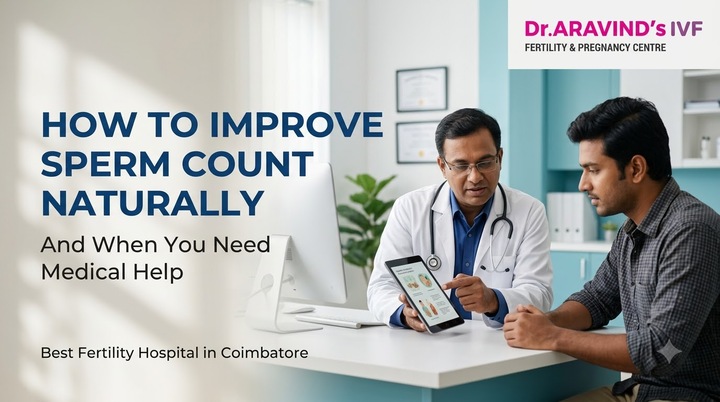
A low sperm count can affect the chances of natural conception, but there are steps men can take to support healthier sperm production. Diet, physical activity, sleep, weight management, tobacco use, alcohol consumption, and certain medical conditions can all influence male reproductive health.
If you are searching for the Best fertility hospital in Coimbatore, knowing what can realistically improve sperm count and when to seek medical help can help you take the right next step.
Can Sperm Count Improve Naturally?
In some men, sperm parameters may improve when lifestyle factors affecting reproductive health are addressed. However, natural improvement depends on the underlying cause. Varicocele, hormonal disorders, genetic conditions, infections, certain medicines, and other medical problems may require specific treatment.
Sperm production also takes time, so lifestyle changes should be viewed as a consistent long-term approach rather than an instant solution.
Eat a Nutrient-Rich Diet for Better Sperm Health
A balanced diet provides nutrients required for normal sperm production. Include vegetables, fruits, whole grains, pulses, nuts, seeds, eggs, fish, and other protein-rich foods.
Foods containing antioxidants and nutrients such as zinc, selenium, folate, vitamin C, vitamin E, and omega-3 fatty acids can support overall reproductive health. Rather than depending on one “fertility food,” focus on variety and nutritional balance.
If you have a known nutritional deficiency, your doctor can advise whether dietary changes or supplementation may be appropriate.
Maintain a Healthy Weight and Exercise Regularly
Body weight can influence hormones involved in sperm production. Being significantly overweight or underweight may affect reproductive health in some men.
Regular moderate exercise, such as walking, swimming, or strength training, can support healthy weight management and cardiovascular health. Extremely intense exercise combined with inadequate nutrition may not be suitable for everyone.
The goal is consistent physical activity that supports overall health without excessive strain.
Stop Smoking and Limit Excessive Alcohol
Tobacco smoke contains substances that can increase oxidative stress and may negatively affect sperm concentration, movement, and quality. Stopping smoking is therefore an important step for men concerned about sperm health.
Heavy alcohol consumption may also affect hormones and reproductive function. Reducing excessive alcohol intake can support both fertility and general health.
Avoid recreational drugs and discuss any substance use openly with your fertility specialist so that appropriate guidance can be provided.
Avoid Excessive Heat Around the Testicles
Sperm production works best within a temperature range slightly below normal body temperature. Repeated excessive heat exposure may affect sperm production in some men.
Men concerned about fertility can discuss frequent sauna or hot-tub use, occupational heat exposure, or other relevant habits with their doctor. Individual recommendations may vary depending on the overall fertility assessment.
Prioritize Sleep and Manage Stress
Poor sleep and prolonged stress can affect general health and may influence hormonal regulation and daily habits. Aim for a consistent sleep routine and adequate rest.
Simple practices such as walking, meditation, breathing exercises, yoga, hobbies, and spending time with supportive people may help manage stress.
Stress management should support overall well-being rather than being presented as a guaranteed treatment for low sperm count.
Review Medicines and Medical Conditions
Some medicines can affect sperm production or reproductive hormones. Certain medical conditions may also contribute to reduced sperm count.
Do not stop prescribed medication without speaking with your doctor. A fertility specialist can review your medical history and determine whether further evaluation is needed.
Understand the Oligospermia Causes
Oligospermia causes can include varicocele, hormonal problems, infections, genetic conditions, testicular injury, reproductive tract problems, obesity, lifestyle factors, and certain medications.
Identifying the cause is important because lifestyle changes alone may not correct every form of low sperm count. A semen analysis is commonly used to assess sperm concentration, motility, and morphology.
When Should You Seek Medical Help for Low Sperm Count?
Consider a fertility evaluation if semen testing repeatedly shows abnormal results, sperm count is very low, or pregnancy has not occurred despite regular attempts.
Medical evaluation may include semen analysis, hormone testing, physical examination, ultrasound, or genetic investigations depending on individual circumstances.
Early assessment can help identify potentially treatable factors and prevent couples from relying on lifestyle changes when additional care may be needed.
Can IVF and ICSI Help With Male Infertility?
When male-factor infertility makes natural conception difficult, assisted reproductive treatment may be considered. IVF allows fertilization to take place in a laboratory, while ICSI involves injecting a selected sperm directly into an egg.
An IVF centre in Coimbatore may recommend IVF or ICSI after evaluating both partners rather than relying on sperm count alone.
Choosing a Fertility Hospital in Coimbatore
When selecting a fertility hospital, consider the availability of male fertility evaluation, semen testing, experienced fertility specialists, embryology laboratory facilities, counselling, and follow-up care.
If you are comparing an IVF clinic in Coimbatore, ask how the centre investigates the cause of low sperm count and whether treatment recommendations are personalized.
Dr.Aravind's IVF Fertility & Pregnancy Centre
Dr.Aravind's IVF Fertility & Pregnancy Centre provides fertility evaluation and assisted reproductive care for couples experiencing male and female fertility concerns. Depending on individual requirements, services may include male fertility assessment, semen analysis, IVF, ICSI, and other appropriate fertility treatments.
For couples researching the best IVF centre in India, factors such as personalized evaluation, experienced specialists, laboratory support, transparent communication, and appropriate follow-up should be considered.
Frequently Asked Questions
Q1. Can sperm count increase naturally?In some men, sperm parameters may improve after addressing lifestyle factors or treating an underlying medical problem. The potential for improvement depends on the cause.
Q2. Which foods support healthy sperm production?
A varied diet containing vegetables, fruits, whole grains, nuts, seeds, fish, eggs, and other nutrient-rich foods can support overall reproductive health.
Q3. How long does it take to improve sperm health?
Sperm production takes several weeks, so lifestyle changes generally require consistent effort over time. Your doctor may recommend repeat semen testing after an appropriate interval.
Q4. When should I see a fertility specialist for low sperm count?
Seek evaluation when repeated semen tests are abnormal, sperm counts are very low, or pregnancy has not occurred within the recommended timeframe.
Q5. Can IVF help with a very low sperm count?
Yes. IVF with ICSI may be considered for selected couples with significant male-factor infertility. A fertility specialist can determine whether it is appropriate after a complete assessment.
Conclusion
Improving sperm count naturally begins with sustainable habits: eat a balanced diet, maintain a healthy weight, exercise moderately, avoid tobacco, limit excessive alcohol, sleep well, and manage stress. However, these measures cannot address every cause of low sperm count.
If you are concerned about male fertility, a fertility hospital in Coimbatore can help identify the underlying issue and explain whether lifestyle changes, me