Why Senior Living and Healthcare Facilities Favor PTAC Units
Posted by NorthStock Inc
Filed in Business 15 views
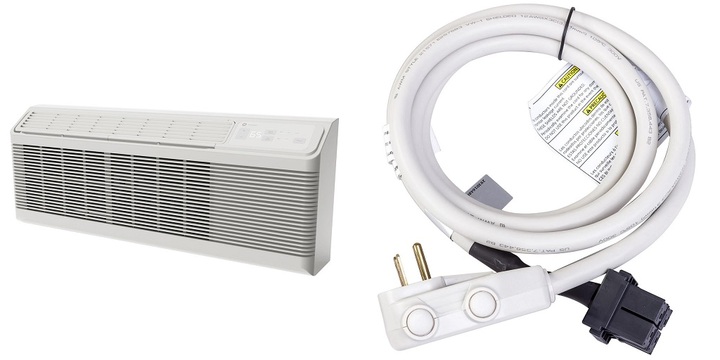
Walk the halls of a memory care wing or a rehab hospital and you'll notice the same thing under most windows: a packaged terminal air conditioner. Facilities that care for vulnerable people have plenty of reasons to pick PTAC units over other approaches, and most of those reasons come down to what happens day to day inside an occupied building. Residents who can't tolerate a cold room. Night shifts that can't have a compressor rattling beside a sleeping patient. Maintenance teams that need a failed unit gone before lunch. PTAC units handle all three without much fuss.
What Makes PTAC Units the Right Fit for Room-by-Room Care?
An 82-year-old in room 214 wants it at 76 degrees. The physical therapy gym down the hall runs warm by mid-morning, and the staff want it closer to 68. Central air struggles with that kind of spread, and the thermostat wars that follow end up in the complaint log. PTAC units give each room its own control, so residents, or the aides looking after them, set the temperature that suits the person actually living there. That independence matters in senior living, where a comfortable room is part of what families notice when they tour. Administrators appreciate that a through-the-wall AC keeps conditioning local, too. One unit failing means one room needs attention, not an entire floor calling the front desk on a July afternoon.
Can PTAC Units Keep the Peace on a Night Shift?
Sleep is medicine in a hospital, and nobody wants to explain to a charge nurse why the HVAC woke the whole east wing at 3 a.m. Current commercial PTAC models from GE, Amana, and Hotpoint run at low sound levels, and facilities managers who buy PTAC units for patient rooms tend to ask about that before anything else. A resident dozing in a recliner shouldn't notice the fan cycling on. The other half of the equation is heat. A PTAC heat pump with electric backup keeps a room warm through a January cold snap, which older residents feel more sharply than the rest of us.
How Do Facilities Swap PTAC Units Without Disrupting Residents?
Nobody relocates a hospice patient so a technician can open up ductwork. A through-the-wall AC that fails gets pulled from its sleeve, and a replacement chassis slides into the same opening, often the same day. Facilities managers keep a spare or two on hand for exactly this reason. Because most brands share a standard sleeve footprint, a property built around GE Zoneline models can drop in an Amana Distinctions unit when supply gets tight, and the residents never know the difference. That flexibility keeps deferred maintenance from piling up in a building that runs 24 hours a day and never gets a convenient "closed for renovation" week.
Do Energy Costs Push Healthcare Toward PTAC Units?
Healthcare buildings never really close, so utility bills get a hard look every budget cycle. Energy efficient PTAC models help in two ways. They only condition rooms that are occupied, and the newer models on the market carry efficiency ratings that satisfy the sustainability committee and the finance director at the same time. A director managing 120 rooms can replace PTAC units in phases, starting with the oldest and least efficient, and see the savings show up without a capital project. Buying in bulk from one supplier also keeps the fleet consistent, which makes life easier for whoever answers the maintenance calls.
Senior living and healthcare facilities keep choosing PTAC units because the format respects the people inside the building: individual comfort, low noise, and repairs that don't turn a resident's day upside down. For facilities managers planning a refresh or building up a spare inventory, NorthStock carries GE Zoneline, Amana, and Hotpoint PTAC units in a range of configurations, ready to ship when a room can't wait.
For More Information About Modine Unit Heaters and Portable Commercial Ac Please Visit: NorthStock Inc.