What Your Electric Cabinet Heater Is Already Doing Right
Posted by NorthStock Inc
260 views
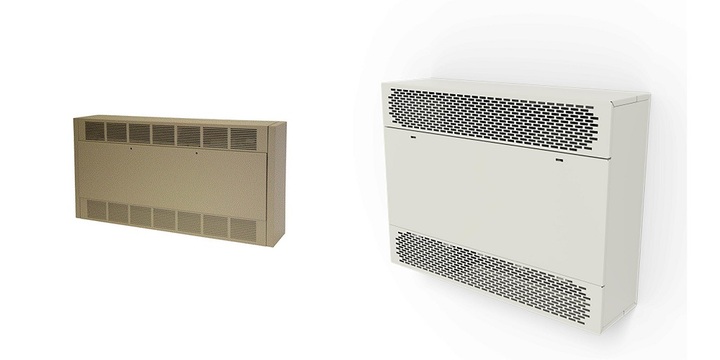
HVAC pros sourcing heating for commercial spaces have seen the full range of what electric cabinet heaters handle well: high-traffic entryways where comfort and durability have to coexist, stairwells where consistent heat matters even when no one's paying close attention to it, vestibules that need to hold temperature without pulling heat from the rest of the building. The electric cabinet heater does all of this without much drama, which is partly why the installation and configuration details that actually make the difference rarely get the attention they should.
Does the Control Setup Change What the Electric Cabinet Heater Actually Delivers?
The short answer is yes. A single-stage thermostat works fine in straightforward applications, but spaces with significant temperature fluctuation respond better to more precise control. Two-stage options exist for that reason. For commercial buildings running building automation systems, smart controls with BACnet integration bring programmable scheduling into the picture, so the electric cabinet heater isn't running at full output during unoccupied hours.
That adds up over a heating season. The availability of SmartSeries Plus digital controls on cabinet heaters reflects how common BACnet integration has become in institutional buildings, not just large commercial projects. It's worth knowing what's in the product range before the specs conversation starts.
Configuration options also extend to voltage and phase. 208V, 240V, 277V, and 480V are all on the table, and kW output options give engineers the flexibility to match units to actual heat load requirements. The electric cabinet heater's housing comes in multiple finishes, from white and beige to bronze and black, which matters in visible spaces where the equipment needs to fit the interior rather than stand out in it.
Where Does an Electric Cabinet Heater Fit Best?
The environments where these units consistently perform well share a few traits. Finished interiors like lobbies, hallways, and church vestibules work because the cabinet housing fits the space without looking out of place, while still moving enough air to cover the area. Mechanical rooms and stairwells benefit from the wall-mount configuration and the dual thermal cutout safety features built into most units.
Transportation terminals and high-traffic lobbies add a different variable: constant door activity, outdoor air mixing in with every entry, and occupancy that doesn't follow a predictable schedule. An electric cabinet heater in that kind of environment needs enough output to compensate for the load variation. The filters in those applications also take more abuse than in a standard hallway install and need more frequent attention as a result.
The 250 CFM airflow on units like the QMark CU935 reflects what's needed to actually heat a space rather than just take the chill off a corner of it. Spaces with higher ceilings or significant envelope exposure need that airflow capacity to distribute heat effectively.
What Gets Missed After the Electric Cabinet Heater Is Running
Maintenance cycles on cabinet heaters tend to get treated as optional until something fails. The filter is the most common oversight. Whether disposable or washable, a clogged filter restricts airflow, reduces output, and adds unnecessary runtime to the unit. The front-hinged access panel on most cabinet heaters exists to make this easier, but in practice it often still gets skipped.
Dual thermal cutouts are a protection feature, but they're also a diagnostic signal. When one trips and shuts the unit off repeatedly, the question worth asking isn't just how to reset it. It's whether the kW output is correctly sized for the space and whether something is blocking airflow near the inlet or outlet. The electric cabinet heater isn't a complicated troubleshooting job when you know what those cutouts are telling you.
For HVAC professionals sourcing electric cabinet heaters from manufacturers like QMark, NorthStock carries the full product range, including custom-built configurations with multiple finish and control options, stocked for buyers who already know exactly what they're looking for.
For more information about Vtac Units and Hydronic Heater Please visit: NorthStock Inc.