Why the Hotel Industry Won't Let Go of Wall AC and Heating Units
Posted by NorthStock Inc
194 views
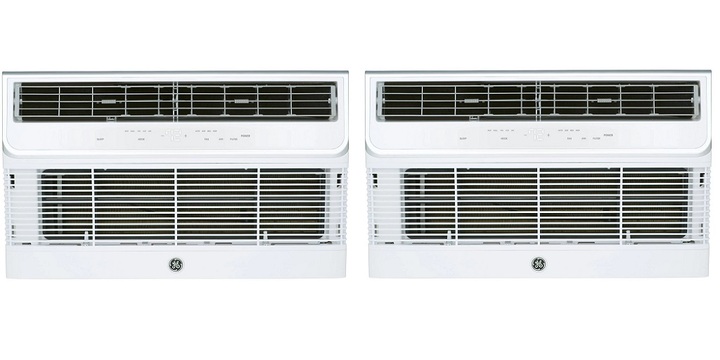
Every few years, a new HVAC technology shows up promising to change how commercial buildings manage climate control. Ductless mini-splits, variable refrigerant flow systems, smart thermostats wired into property management software. Hotels have fielded pitches for all of it. And yet, a walk through most hotel corridors still ends with the same familiar hum coming from under the window: wall AC and heating units, doing exactly what they've always done.
The loyalty isn't nostalgia. It's operational logic that newer systems haven't managed to beat.
Why Wall AC and Heating Units Keep Winning in Hotel Rooms
Hotel guests have one expectation that rarely gets mentioned in HVAC spec sheets: they want to feel like they're in charge of their own comfort. Through-the-wall air conditioners deliver that directly. The guest walks in, sees a unit with visible controls, sets the temperature, and forgets about it. Unlike mini-split systems or central air handlers, the controls are always visible, always physical, and always right there in the room. There's no app, no learning period, no calling the front desk because the system won't respond to touch.
PTAC units, the standard configuration found in most hotel rooms, are built around this exact use case because wall AC and heating units put the thermostat, fan speed, and mode selection right on the face of the unit. Guests of all ages can figure them out without instructions. Room air conditioners with heat are particularly valued in climates where the temperature swings between day and night, letting guests manage their own comfort without any staff involvement.
What Maintenance Teams Know About Wall AC and Heating Units
A hotel room that goes out of service for HVAC repairs is a hotel room that isn't generating revenue. Property maintenance teams know this math well. Wall air conditioner installation follows a modular logic that pays off well past the initial setup. A technician can pull and replace a unit in the same room within an hour, often without specialized equipment beyond what fits on a service cart. Most commercial units run 8 to 12 years before replacement becomes necessary, and that swap rarely requires more than one technician or a single maintenance window. The sleeve stays in the wall; only the unit moves.
Central systems and ductless mini-split alternatives don't work that way. A failed compressor on a multi-zone mini-split can take a section of rooms offline. Repairing a central air handler might require a partial floor shutdown. Energy-efficient wall AC and heating units, especially modern PTAC configurations, are designed for this kind of rapid service environment. The ability to swap one unit without touching the others shows up clearly in maintenance logs and guest satisfaction scores alike.
The Room-by-Room Case for Wall AC and Heating Units
Property managers who have run the numbers on heating and cooling wall units across a 200-room property understand something smaller operators sometimes miss: room-by-room independence changes the entire cost and reliability picture. A BTU calculator for AC can confirm the right unit size per room, but the bigger operational win is decentralization itself. When ten rooms on the third floor are empty midweek, those units sit idle without pulling the rest of the system down.
Ductless mini-split alternatives often can't offer this level of room-by-room isolation without significant zoning complexity and cost. Each room becomes its own closed system, which is why hospitality buyers keep returning to this format even as the rest of the commercial HVAC market chases newer configurations. Hotels run on tight margins and high guest turnover, and the system that wins in that environment is the one that fails least often, gets fixed fastest, and keeps guests comfortable without intervention.
For commercial properties sourcing wall AC and heating units in volume, NorthStock carries a full range of through-the-wall options built for the hospitality sector, including both cooling-only and heating and cooling configurations to spec your property from a single supplier.
For more information about Ptac Units and Modine Unit Heaters Please visit: NorthStock Inc.