The Washdown Heater Spec That Most Facilities Are Only Solving Halfway
Posted by NorthStock Inc
285 views
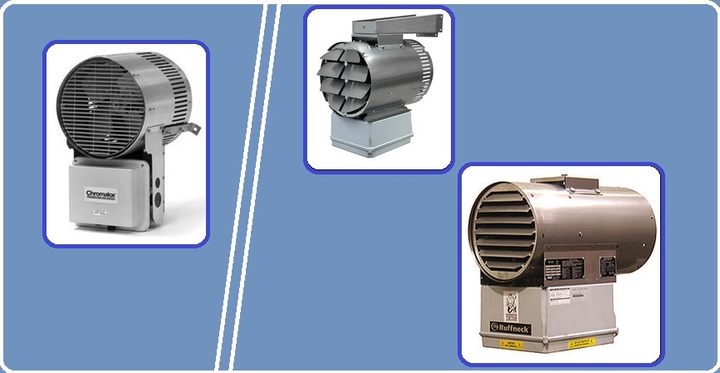
The conversation about washdown heater selection focuses almost entirely on what happens to the equipment, which makes sense because failed equipment is expensive and traceable. But in every facility that runs regular hose-downs, there's also a thermal problem that doesn't show up on a maintenance ticket: workers spending full shifts in cold, wet conditions that most heating specs don't account for. Food processing plants, water treatment facilities, cement plants, steel mills, coal-handling operations, car washes, offshore drilling platforms. All of them have the same problem on both sides of the equation, and the spec conversation tends to solve one while ignoring the other.
The Washdown Heater Spec Was Never Only About the Equipment
The equipment case is well established: NEMA 4X, stainless construction, sealed internals, corrosion-resistant hardware. Facilities with aggressive cleaning protocols already know what happens when they underspec the enclosure. What doesn't get the same attention is that the environment doing damage to heaters is also doing damage to the people working in it. High humidity pulls body heat faster than dry cold does. Workers in hose-down areas can't stay dry regardless of their gear. The sustained exposure matters for safety, for output, and for the kind of concentration that prevents incidents. A washdown heater rated to handle the environment isn't just protecting electrical components; it's the unit keeping the space warm enough for people to work in effectively. That's a function worth specifying for, and most facilities treat it as an afterthought.
Cold Shifts and Wet Floors: What Your Washdown Heater Is Also Heating For
A cement plant running work areas at 35°F produces different results than one maintaining those areas above 50°F. That gap shows up in output, in accident rates, in how long workers can stay in a space before needing to rotate out. Water treatment facilities run on similar terms: hydrogen sulfide in the air, constant humidity, and workers on-site in spaces that stay cold regardless of what's happening outside. Offshore drilling platforms make the stakes clear without abstraction: salt air destroys standard heaters, workers face genuine cold hazard, and the heating unit has to do both jobs reliably in a place where there's no quick fix when something fails. Car washes see a version of the same dynamic every winter, with staff working bay areas through full shifts in spray and cold, and heating that survives the washdown is heating that keeps the bay functional for the people in it.
The facilities that understand this tend to spec their washdown heater differently. They're not asking whether it can survive the hose-down. That's the baseline. They're asking whether the heating output matches the actual thermal load of the space and what it costs to keep workers productive in that environment year-round.
Getting Both Right When You Spec a Washdown Heater
Enclosure rating and heating capacity are part of the same decision, and they're worth evaluating together rather than as separate line items. A unit that clears the corrosion-resistance threshold but doesn't have the output to actually heat the space stops serving either purpose. So does a unit that's appropriately sized but fails early because the enclosure wasn't rated for the cleaning agents in use. Voltage and heating capacity options matter as much as the NEMA rating when the goal is a unit that holds up and keeps people warm through a full season. Facilities managers specifying washdown heaters from Berko, Chromalox, Markel, QMark, and Ruffneck can explore the full range of configurations at NorthStock.
For more information about Wall Ac And Heating Units and Industrial Air Curtains Please visit: NorthStock Inc.