Frameless Shower Doors NYC: A Sleek Upgrade for Modern Apartments and Homes
Posted by Lighthouse Shower
Filed in Business 203 views
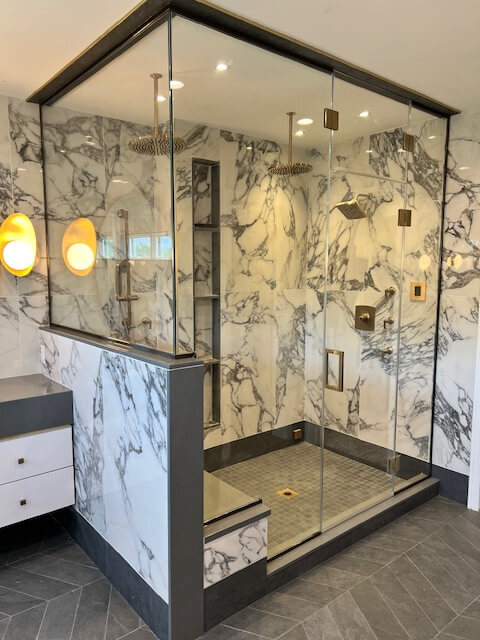
If you've ever stood in a cramped bathroom fighting with a moldy vinyl curtain or squinting through a fogged-up framed glass panel, you already know why so many homeowners are making the switch. Frameless shower doors NYC installations have become one of the most requested bathroom upgrades across the five boroughs, and it's not hard to see why. Between the tight square footage of most city apartments and the constant push toward cleaner, more modern interiors, frameless glass just makes sense. It opens up a small space visually, it's easier to keep clean, and it doesn't come with the rust-prone metal framing that tends to age poorly in humid bathrooms.
New York apartments and townhouses come in every shape imaginable, from prewar layouts with oddly angled walls to brand-new luxury condos with soaking tubs and walk-in showers. A frameless door is custom measured and cut to fit those exact dimensions, which means no awkward gaps, no bulky tracks, and no visual clutter. For anyone renovating a bathroom in Manhattan, Brooklyn, Queens, or the Bronx, this is often the single upgrade that makes the whole room feel finished. It's a small change with a disproportionately large impact on how a bathroom looks and feels day to day.
Why Homeowners Are Ditching Framed Enclosures
Framed shower doors were the standard for decades, and there's a reason they fell out of favor. The metal tracks trap water, soap scum, and mildew in places that are nearly impossible to clean without taking the whole unit apart. Over time, the frames corrode, the rollers stick, and the rubber seals crack. None of that is a good look in a bathroom you're trying to keep pristine.
Frameless glass eliminates most of those pain points. There's no track to collect grime, no metal edge to rust, and far fewer seams where mold can take hold. The glass itself is typically tempered and treated with a protective coating that resists water spots and soap buildup, so a quick wipe-down after each shower keeps it looking new for years. For busy households, that reduced maintenance is often worth the upgrade on its own.
There's also a resale angle worth mentioning. Buyers touring a listing tend to notice bathroom finishes quickly, and a frameless glass enclosure reads as a higher-end, more recently updated space compared to a dated framed unit. Real estate agents in the city have picked up on this, and it's becoming a common recommendation for sellers looking to make small, high-impact renovations before listing a property.
What Goes Into a Quality Installation
Not all frameless glass installations are created equal, and this is where working with an experienced local installer really matters. The glass panels themselves are heavy, typically between three-eighths and half an inch thick, which is part of what allows them to stand sturdy without a surrounding frame. Handling and cutting glass at that thickness requires precise equipment and experience, since even a small measurement error can throw off the entire installation.
A proper job starts with an in-person measurement, not a guess based on rough dimensions. Walls in older buildings are rarely perfectly square, and a good installer accounts for that when templating the glass. Hardware selection matters too. Hinges, clamps, and handles should be rated for wet environments and finished in a material that won't corrode, like solid brass with a chrome, brushed nickel, or matte black plating. Cheaper hardware tends to show rust spots within a year or two, which undermines the whole point of the upgrade.
Frameless Shower Doors Manhattan: Built for Small-Space Living
Nowhere is the appeal of frameless glass more obvious than in Manhattan bathrooms. Frameless shower doors Manhattan projects tend to involve tighter footprints than what you'd find in the outer boroughs or Long Island suburbs, which makes the visual openness of frameless glass even more valuable. A clear glass panel doesn't break up sightlines the way a framed door or a curtain does, so even a modest five-by-eight bathroom can feel noticeably larger.
High-rise buildings in neighborhoods like the Upper East Side, Chelsea, and the Financial District often have specific building requirements around glass thickness, installation methods, and even elevator access for materials. Working with a company that regularly handles Manhattan installations means fewer surprises, since they already know how to navigate co-op board approvals, freight elevator scheduling, and building management coordination. That local familiarity can save weeks compared to hiring an installer who's never worked in a high-rise before.
Custom configurations are common in Manhattan too. Corner showers, neo-angle enclosures, and walk-in designs without a door at all are popular choices for renovators trying to maximize a small footprint while keeping the space feeling airy. A skilled installer can walk through these options and recommend what fits both the layout and the plumbing rough-in already in place.
Choosing the Right Glass Type and Finish
Glass thickness and finish both affect price, durability, and appearance, so it's worth understanding the basic options before committing to a quote. Clear glass is the most popular choice because it maximizes the feeling of openness, but frosted, rain, and textured glass are all available for anyone who wants a bit more privacy without sacrificing natural light.
Low-iron glass is another consideration. Standard tempered glass has a faint green tint when viewed from the edge, which becomes more noticeable on larger panels. Low-iron glass removes that tint for a truly clear, colorless look, and it's a popular upsell for anyone who wants their enclosure to look as crisp as possible. It costs a bit more, but for a design-forward bathroom, many homeowners find it worth the difference.
Coatings matter just as much as the glass itself. A quality anti-spot or water-repellent coating applied during fabrication makes ongoing maintenance dramatically easier, since water beads and rolls off instead of drying into visible mineral deposits. Ask any potential installer whether this treatment is included standard or offered as an add-on, since it varies by fabricator.
Getting an Accurate Quote
Pricing for frameless glass varies based on square footage, glass thickness, hardware finish, and the complexity of the layout. A straightforward single panel with a fixed side is generally more affordable than a full walk-in enclosure with multiple glass panels and custom hinges. The best way to get an accurate number is an in-home consultation, since photos and rough measurements rarely capture the full picture of what a job requires.
It's also worth asking about installation timelines. Custom glass typically needs to be fabricated after measurements are taken, so most projects involve a lead time of a couple of weeks between the initial measurement and final installation. Planning around that timeline helps avoid scheduling conflicts, especially if the shower is part of a larger bathroom renovation with other trades involved.
A frameless shower door is one of those upgrades that pays off every single day, not just at resale. It's cleaner, it looks better, and it makes a small bathroom feel considerably larger. Whether the project is in a prewar Manhattan co-op or a newer build elsewhere in the city, working with an installer who understands the specific challenges of New York bathrooms makes the process far smoother from measurement to final walkthrough.