Smart Shopping Tips for Lab Grown Diamond Necklaces You Will Love
Posted by DIGITAL MARKETING
301 views
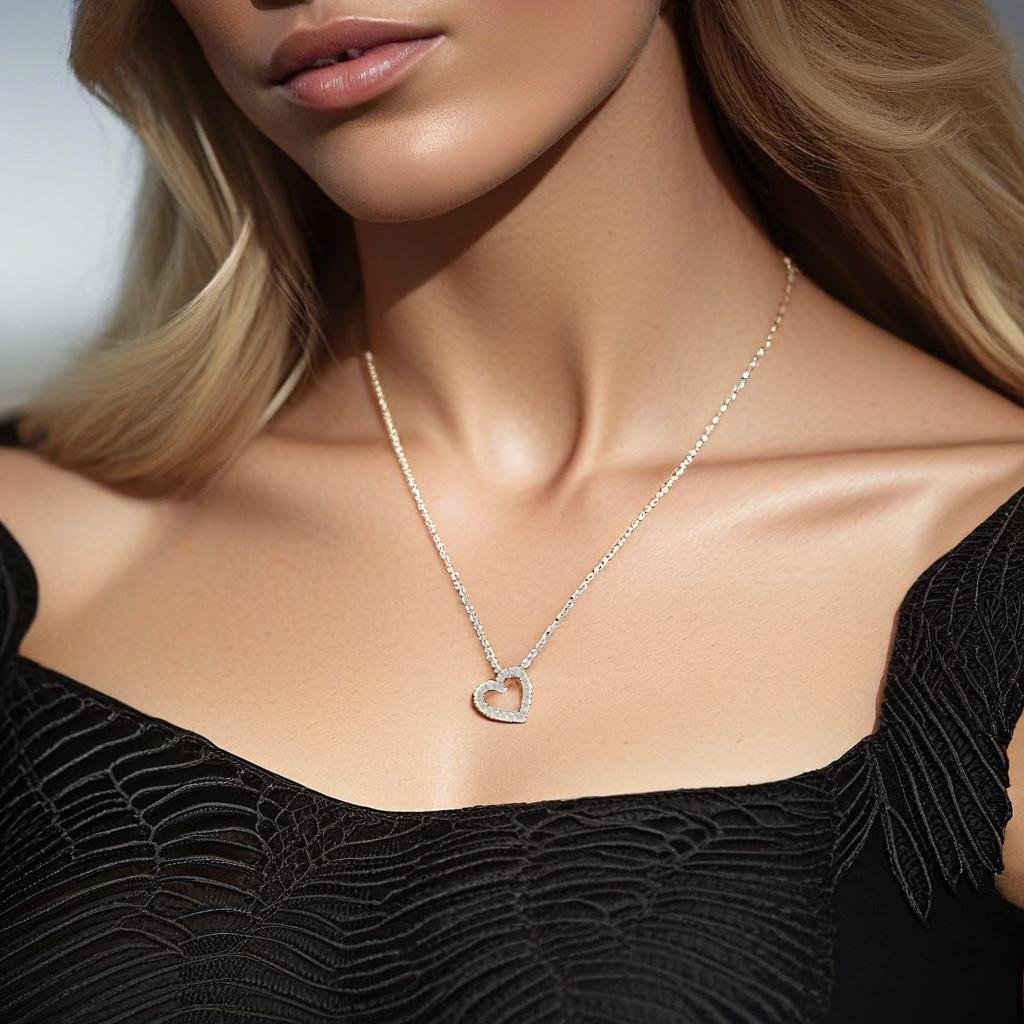
Lab grown diamond necklaces have become a popular choice for people who want genuine diamonds with modern production methods. These necklaces feature diamonds that share the same physical, chemical, and optical properties as mined diamonds. The difference lies in their origin rather than their appearance or performance.
As more buyers learn about lab grown diamonds, they often look for jewelry that combines everyday wear with lasting beauty. A well-made diamond necklace offers versatility, durability, and timeless style. Understanding diamond quality, necklace designs, and buying considerations helps you make an informed decision.
What Are Lab Grown Diamonds?
Lab grown diamonds are real diamonds created in controlled laboratory environments. Manufacturers use advanced technologies such as High Pressure High Temperature (HPHT) or Chemical Vapor Deposition (CVD) to grow diamond crystals.
These processes produce diamonds with the same crystal structure as natural diamonds. They display identical hardness, brilliance, and fire. Gemological laboratories also grade lab grown diamonds using the same standards applied to mined diamonds.
The only significant distinction is their formation. Natural diamonds develop deep within the Earth over billions of years, while laboratory diamonds form over several weeks under carefully controlled conditions.
Why Choose Lab Grown Diamond Necklaces?
Genuine Diamond Beauty
A lab grown diamond necklaces delivers the same sparkle as a necklace featuring mined diamonds. Since both types share identical optical properties, even experienced observers cannot distinguish them without specialized equipment.
Greater Design Flexibility
Many buyers can choose larger center stones or more detailed settings within the same budget. This flexibility allows designers to create elegant pendants, tennis necklaces, and intricate halo styles.
Transparent Diamond Grading
Most high-quality lab grown diamonds come with grading reports from respected gemological laboratories. These reports evaluate the 4Cs:
- Cut
- Color
- Clarity
- Carat weight
Independent grading helps buyers compare diamonds confidently.
Understanding Diamond Quality
Selecting a necklace begins with understanding the four major quality factors.
Cut
Cut has the greatest influence on brilliance. A well-cut diamond reflects light efficiently, creating exceptional sparkle. Excellent and Ideal cut grades usually provide the best visual performance.
Color
Diamond color ranges from D to Z. D represents colorless diamonds, while lower grades display increasing warmth. Many buyers choose D through G grades for necklaces because they appear bright in most settings.
Clarity
Clarity measures internal inclusions and surface blemishes. VS and SI clarity grades often provide an excellent balance between appearance and value because most inclusions remain invisible without magnification.
Carat Weight
Carat measures diamond weight rather than size alone. Necklace pendants commonly range from 0.25 to 2.00 carats, although larger designs are available for statement jewelry.
Popular Styles of Lab Grown Diamond Necklaces
Solitaire Pendant
A solitaire pendant features one diamond suspended from a delicate chain. Its clean design suits both casual outfits and formal occasions.
Halo Necklace
A halo setting surrounds the center diamond with smaller accent diamonds. This arrangement increases visual size and enhances sparkle.
Tennis Necklace
A tennis necklace consists of a continuous line of matching diamonds. It offers balanced brilliance across the entire necklace and works well for formal events.
Station Necklace
Station necklaces place diamonds at evenly spaced intervals along the chain. This lightweight design provides understated elegance for daily wear.
Initial and Personalized Necklaces
Many jewelers combine lab grown diamonds with initials, names, or meaningful symbols. These designs create jewelry with personal significance while maintaining classic diamond brilliance.
Choosing the Right Metal
The necklace setting influences both appearance and durability.
White gold complements colorless diamonds with a bright modern finish.
Yellow gold creates attractive contrast while adding warmth.
Rose gold offers a distinctive pink tone that pairs well with contemporary designs.
Platinum provides excellent durability and naturally white color. It also resists tarnishing and securely holds diamonds over many years.
Lab Grown Diamond Necklaces for Different Occasions
Diamond necklaces suit many milestones because they combine lasting beauty with practical wearability.
Birthdays often call for classic solitaire pendants.
Anniversaries may feature larger diamonds or elegant tennis necklaces.
Graduation gifts frequently include minimalist pendant necklaces that transition easily from school to professional life.
Holiday gifts often focus on versatile designs that coordinate with many wardrobes.
Daily wear benefits from secure settings and durable chains that resist damage during regular use.
How Lab Grown Diamond Necklaces Compare to Other Diamond Jewelry
Many buyers build matching collections over time. Earrings, bracelets, and rings complement diamond necklaces without overwhelming an outfit.
A round brilliant cut diamond engagement ring remains one of the most popular pieces in bridal jewelry. The same diamond quality principles used for engagement rings also apply to necklace pendants. Buyers should evaluate cut, clarity, color, and certification regardless of the jewelry type.
Understanding diamond cuts also helps shoppers compare different jewelry categories.
Many people ask how many facets in a round brilliant cut diamond because cut quality strongly influences sparkle. The traditional modern round brilliant design contains 57 facets if the culet is absent or 58 facets when a culet is present.
Similarly, shoppers frequently ask how many facets does a round brilliant cut diamond have before comparing necklace pendants and engagement rings. The answer remains the same. The classic round brilliant cut uses either 57 or 58 carefully arranged facets to maximize light performance.
Caring for Lab Grown Diamond Necklaces
Regular maintenance preserves both sparkle and durability.
Clean the necklace using warm water, mild dish soap, and a soft brush. Rinse thoroughly and dry with a lint-free cloth.
Store each necklace separately to prevent scratches. Diamonds are extremely hard, which means they can scratch other jewelry if stored together.
Inspect clasps and prongs periodically. Professional inspections help identify loose settings before stones become damaged or lost.
Remove diamond necklaces before heavy physical activity or exposure to harsh household chemicals. These simple habits help maintain long-term condition.
What to Look for Before Buying
Compare grading reports from recognized gemological laboratories whenever possible.
Review the chain length to ensure it complements the intended neckline. Common lengths include 16, 18, and 20 inches.
Examine the setting style for security as well as appearance. Four-prong and bezel settings both offer dependable protection, although each creates a different visual effect.
Check the return policy and warranty before making a purchase. Reputable jewelers clearly explain these policies and provide accurate product specifications.
Final Thoughts
Lab grown diamond necklaces combine authentic diamond beauty with modern manufacturing technology. They offer the same durability, brilliance, and certified quality standards as mined diamonds while providing buyers with a broad selection of designs and price points.
Understanding diamond grading, necklace styles, metal choices, and proper care allows you to select a necklace that matches your style and intended use. Whether you prefer a classic solitaire pendant or an elegant tennis necklace, a carefully chosen lab grown diamond necklace can remain a lasting part of your jewelry collection for many years.