How to Get the Best Results When Working with Pine Lumber and Wood
Posted by Empire Real Lumber
Filed in Business 197 views
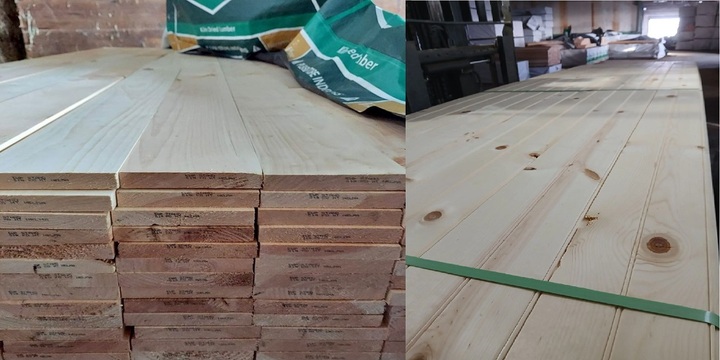
When you have a woodworking or home improvement project, the choice of wood is always consequential. Choosing pine lumber is an excellent way to develop your woodworking skills without stretching your budget. Pine is one of the most widely available woods, making it a favorite among beginners and experienced woodworkers alike. It's lightweight, easy to cut, and versatile enough for countless projects. Like any material, however, it performs best when you understand its strengths and work around its limitations.
The Pros of Pine Lumber and Wood
One of pine's biggest advantages is its accessibility. Most lumber yards and home improvement stores carry it in a variety of dimensions, giving woodworkers plenty of options when planning a project. You can often find solid boards, edge-glued panels, and multiple thicknesses, making it suitable for everything from simple DIY builds to more detailed furniture construction.
Its softness is another reason many people enjoy working with pine. Saw blades, chisels, routers, and hand tools move through it with relatively little effort, making it easier to shape than many hardwood species. This forgiving nature allows beginners to gain confidence while giving experienced woodworkers a material that is quick to machine and efficient to work with.
How to Work with Pine for the Best Results
At the same time, that softness requires a little extra care. Pine dents and scratches more easily than hardwoods, so thoughtful construction techniques become especially important if you want your finished project to stand up to everyday use. Rather than viewing this as a drawback, experienced woodworkers simply adjust their methods to create stronger, longer-lasting results.
One effective technique is laminating boards together when extra thickness or strength is needed. If you cannot find the exact board dimensions required for a project, gluing multiple pieces together creates a larger workpiece while also increasing its overall stability. Properly bonded laminated boards can often provide greater strength than a single solid board of the same size because the glued layers help resist movement over time.
During glue-ups, you need to prevent the boards from shifting. Clamping pressure should be even across the workpiece to keep everything aligned while the adhesive cures. Once the glue has partially set, removing any squeeze-out before it fully hardens makes final sanding much easier and helps produce cleaner joints.
Strong joinery is another key to successful pine woodworking. Since pine fibers are softer than many hardwoods, creating larger glue surfaces gives joints additional strength. Dowel joints and traditional mortise-and-tenon joints are excellent choices because they provide plenty of wood-to-wood contact for the adhesive to bond securely.
Many woodworkers also use pocket-hole joinery, which works well for certain projects. However, when maximum strength is the goal, joints that create a greater bonding surface generally perform better in softer woods. Larger dowels, deeper mortises, and longer tenons all contribute to stronger connections that are better equipped to handle years of regular use.
Finishing pine requires a slightly different approach than finishing many hardwoods. One of the most common frustrations is uneven color absorption, sometimes called blotching. Because pine absorbs traditional stains inconsistently, darker patches may appear across the surface if the wood is not properly prepared. One solution is to use a wood conditioner before applying a conventional stain. This helps reduce uneven absorption and produces a more consistent appearance. Another option is using water-based dyes, which often provide more uniform color while highlighting the wood's natural grain without creating blotchy areas.
Pine Needs Patience and Planning
Working with pine requires patience, careful planning, and sound woodworking techniques. Selecting quality lumber and wood is only the first step. You need to use the right strategies so you can build projects that remain attractive and durable for many years. Find a pine lumber source that offers an affordable, reliable material that delivers impressive results when treated with care.
For more information about Composite Decking and Shiplap Please visit: Empire Real Lumber.