Electrical Wire and Cable FAQs
Posted by Electrical Wire & Cable Specialists
393 views
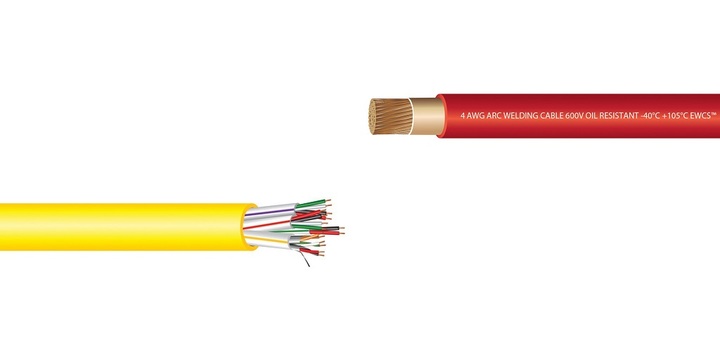
This short post will cover some common questions associated with electrical wire and cable. See if your questions are answered here and if not, get in touch with the specialists at EWCS Wire. they can help you out.
What’s the difference between electrical wire and cable?
The difference between electrical wire and cable is that wire is a single conductor under an insulator, whereas electrical cable is a group of conductors, typically under a common sheath. Therefore, think of cable sort of like a bundle of wires and wire as a single conductor.
What is solar panel cable?
Solar panel cable is a special type of electrical cable that is used to wire solar panels, inverters, and other electrical components in solar energy systems. It must be made with an insulation material that is UV-resistant and also weather-resistant. The cable is also often made with a high conductor count to keep it flexible. Often, solar panel cable can also be used as battery cable as well.
What is battery cable?
Battery cable is cable that is used to wire the leads to the terminals of a battery. It must be flexible so that secure connections can be established, and it is often made with black and red insulation to demarcate between the positive and negative leads. Some battery cable can be used as solar panel cable, as well as for other uses.
Why is welding cable so flexible?
Welding cable must be flexible (and is often marketed so) because workpieces often must be welding where they are on jobsites. This makes it necessary to get the welding equipment to them rather than the other way around. As a result, the welding cable also must be made with highly durable, abrasion resistant insulation.
What is tray cable?
Tray cable is cable that is rated to be used in trays rather than drawn through conduit. There are many advantages to the installation of cable trays instead of conduit; trays allow for greater heat dissipation, easier access to cables for inspection, repair and replacement, and are much more versatile and flexible. On top of that, it is much more cost-effective and far less labor intensive to lay cables in trays than it is to draw cable through conduit. All in all, where trays can be installed, they are the more flexible solution.
What are voltage and current rating?
Voltage and current ratings set the limits on how much voltage and current the cable can handle safely, without overheating, arcing, or producing an elevated risk of fire or electric shock. Building wire in the United States is commonly rated to 600V.
Does electrical wire or cable insulation matter?
Yes, absolutely, as each material offers something unique in terms of flexibility, chemical and abrasion resistance, electrical properties, and more. This is why there are so many different types of specialty electrical wire and cable. Common insulation materials include nylon (such as THHN and THHW), PE, such as XLPE, and EPDM, among others.
What is building wire?
Building wire is a general type of wire used to provide power distribution inside of buildings for powering appliances, lighting and entertainment systems, and more.
What is wire gauge?
Wire gauge gives the diameter of the wire. In North America, American Wire Gauge is used, which is an inverse scale; larger numbers connote thinner wire and smaller numbers connote larger wire. The wider the diameter of the wire, the higher the voltage and ampacity it can withstand, all else being equal.
Need a New Copper Wire Supplier?
In the event you landed here because you need a new copper wire supplier, get in touch with EWCS Wire. They carry many of the different types of specialty electrical wire and cable mentioned here along with many others.
For more information about Aluminum Wire and 4/0 Welding Cable Please visit: Electrical Wire & Cable Specialists.