A Bike Safety Gear Checklist
Posted by Unicycle USA
Filed in Business 272 views
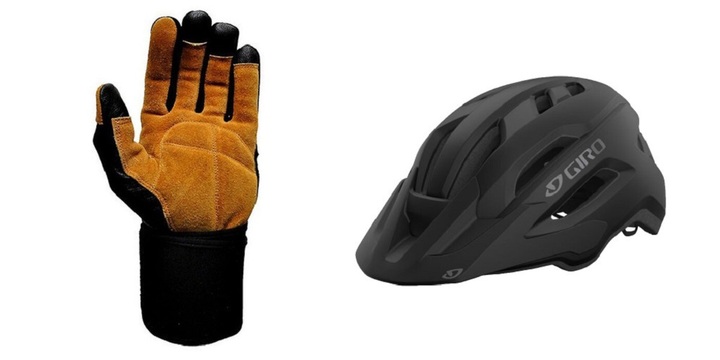
Cycling, either commuting or for exercise, can be a great, low-impact way to stay active, build strength, and exercise your cardiovascular system.
Of course, it can also be dangerous, since you must share the road with other motorists. That being the case, here is a high level bike safety gear checklist to make sure you’re on the right track.
Helmet
Even if you don’t wear or use any other piece of bike safety gear, never get in the saddle of your bike without a helmet.
The vast majority of serious injuries sustained cycling, whether or not they involve another rider or motorist, are head injuries. A properly fitted helmet with a good impact rating is the number one piece of bike safety gear to reduce injuries while riding.
Take no chances, on the trail or on the road; always wear a helmet no matter what.
Knee and Elbow Pads
After head injuries, it’s likely the most common injury is road rash sustained on the forearm or elbow when a rider takes a fall and prepares to brace for impact.
This is actually a two-part problem. One is that bracing for impact using your arms is a good way to get worse road rash, or worse, to break a wrist or an arm. The other is that there are knee and elbow pads you can buy and wear that will reduce the severity of the injury should it befall you in the first place.
So, coach yourself on falling properly (don’t stick your arms out to brace) and start wearing practical bike safety gear when you ride.
Protective Footwear
As a general rule, you should wear closed-toed shoes when cycling. There are some people that don’t but it’s much safer if you do.
Eye Protection
Cycling might not be the sort of thing you think of when you ponder activities that entail risks to the eyes, but between harsh glare from sunlight and dust and other debris in the air or on the road, the safe play is always to protect your eyes.
You don’t need dedicated safety glasses, necessarily, either. A good pair of sport sunglasses that partially wraps around your eyes should be all the protection you need, and it will also keep you comfortable in bright conditions, which is another bonus.
Bright or Reflective Clothing
You might not think of clothing as protective gear for cycling, but it can make a difference. Clothing in high-visibility or high-contrast colors makes it either for other motorists to see you, and that is half of the game when it comes to bike safety. Keep yourself seen, and consider a jacket or vest with a reflective strip if you ride at night.
Reflectors or Lights
Reflectors or lights at the back of your bike will help ensure that other drivers can see you, especially if you ride at night or otherwise in low-light conditions. And, while it is crucial to maintain a high degree of visibility at night, it’s also a good idea to keep that up during the day. Make sure you have a good reflector if not a light (or both) on the rear of your bike, day and night.
Where to Stock Up on Bike Safety Gear
The name might throw you for a second, but you can get bike safety gear online at Unicycle.com, along with plenty of bike parts for repairs, and bike tools, too. Visit their website and if you have any questions about anything they sell, get in touch with them directly and they’ll assist in any way possible.
For more information about 31.8 Seatpost Clamp and Odd Bike Please visit: unicycle.com.