Glutathione Injections: What Treatment Results and Expectations Should You Have?
Posted by care health
158 views
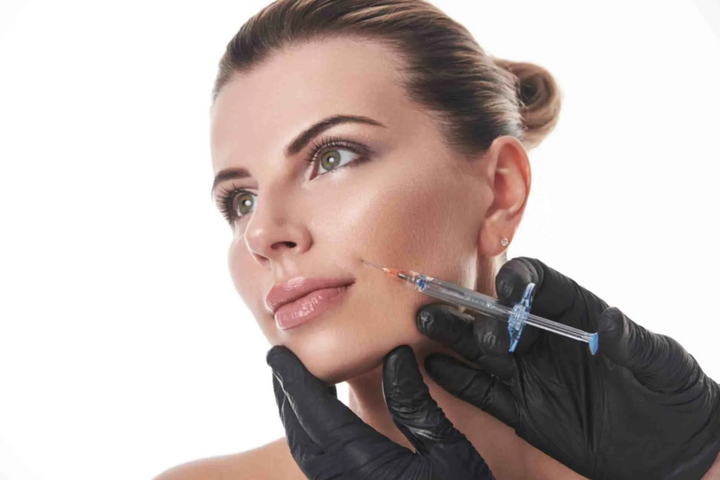
When considering Glutathione Injections in Dubai, it is important to understand what the treatment can realistically offer before scheduling a session. Glutathione is a naturally occurring antioxidant involved in protecting cells from oxidative stress, and it has become popular in aesthetic care because of its proposed effects on pigmentation and skin brightness. However, expectations should be based on evidence rather than promises of instant or permanent skin whitening.
What Are Glutathione Injections?
Glutathione is a naturally occurring tripeptide made from three amino acids: cysteine, glutamic acid, and glycine. It plays an important role in the body's antioxidant defenses and helps cells manage oxidative stress.
In aesthetic medicine, glutathione may be administered orally, topically, or through injections, including intravenous administration. Its proposed skin-related effects are linked partly to its influence on melanin production and the balance between different forms of melanin.
Research suggests that glutathione may have antimelanogenic properties, meaning it can potentially reduce melanin production. However, the strength of evidence differs significantly depending on how glutathione is administered. A 2025 systematic review found some evidence for oral and topical glutathione, while evidence supporting intravenous glutathione for skin lightening remains very limited.
Therefore, treatment expectations should focus on the possibility of gradual changes in skin appearance rather than assuming that injections will dramatically or permanently change natural skin tone.
What Results Can You Realistically Expect?
One of the most important things to understand about a glutathione treatment is that results are not necessarily immediate. Even when changes occur, they can vary considerably from one person to another.
Some people seek glutathione injections for a brighter or more even-looking complexion. The proposed effects are associated with glutathione's influence on melanin synthesis and its antioxidant activity. Nevertheless, clinical research has not established a consistent, predictable degree of skin lightening from injectable glutathione.
A systematic review of glutathione and skin lightening published in 2025 found only one placebo-controlled study involving intravenous glutathione and concluded that the evidence was insufficient to support IV glutathione for cosmetic skin lightening. The review also highlighted concerns about adverse effects and described IV glutathione as unsuitable for this purpose based on the current evidence.
This means that realistic expectations may include:
- A potentially brighter or more even-looking complexion
- Possible changes in the appearance of pigmentation
- Results that vary between individuals
- Effects that may not be permanent
- The possibility of little or no noticeable improvement
It is also important to distinguish skin brightening from changing your natural skin color. A reputable treatment approach should not promise a specific shade or guarantee permanent whitening.
How Long Does It Take to Notice a Difference?
There is no scientifically established timeline that guarantees when injectable glutathione will produce visible cosmetic results. Treatment protocols can vary, and research on long-term injectable use for cosmetic purposes is limited.
Some promotional claims suggest that people will notice a dramatic glow after only a few sessions. However, such claims should be approached cautiously because clinical evidence does not establish a standardized injection schedule or predictable timeline for cosmetic skin lightening.
Earlier research also found that studies involving glutathione were generally limited in duration and did not adequately establish the long-term persistence of skin-lightening effects.
Consequently, anyone considering Glutathione Injections in Dubai should discuss the expected timeline with a qualified healthcare professional rather than relying on generalized treatment schedules advertised online.
What Factors Can Affect Your Treatment Experience?
Individual response is an important consideration. Even if two people receive the same type of glutathione treatment, their results may not look identical.
Skin pigmentation is influenced by genetics, sun exposure, hormones, existing pigmentation conditions, and other biological factors. The underlying reason for uneven skin tone also matters. For example, melasma, post-inflammatory hyperpigmentation, and sun-induced pigmentation may require different approaches.
Other factors that may influence expectations include:
Skin Type and Pigmentation
People naturally have different levels and patterns of melanin. Because of this, the same treatment cannot be expected to produce identical results in everyone.
Sun Exposure
Ultraviolet exposure can stimulate melanin production and contribute to pigmentation. Consistent sun protection is therefore important when addressing uneven pigmentation, regardless of whether glutathione is being considered.
Underlying Skin Concerns
Glutathione injections should not automatically be considered a treatment for every pigmentation problem. A healthcare professional should first determine whether the concern is related to melasma, post-acne marks, sun damage, or another condition.
Overall Treatment Plan
A professional may recommend a broader pigmentation-management plan rather than relying on glutathione alone. Depending on the diagnosis, this could involve appropriate topical skincare, sun protection, or other dermatological treatments.
Are Glutathione Injections Safe?
Safety is one of the most important parts of setting realistic expectations. Although glutathione naturally occurs in the body, that does not automatically mean that injecting concentrated glutathione is risk-free.
Evidence concerning long-term IV glutathione use for cosmetic skin lightening remains inadequate. A review specifically examining intravenous glutathione found that there were no studies establishing the safety of chronic IV use for skin lightening.
Reported adverse effects associated with intravenous glutathione have included infusion-site reactions, nausea, gastrointestinal symptoms, dizziness, and, in some clinical data, more serious reactions such as anaphylaxis and abnormal liver-function tests.
There are also risks related to the quality and preparation of injectable products. In the United States, the FDA previously reported adverse events involving compounded glutathione injections associated with excessive bacterial endotoxin levels, including symptoms such as nausea, chills, low blood pressure, and breathing difficulties.
More recently, in August 2026, the FDA published a recall notice concerning a compounded glutathione injection after elevated bacterial endotoxin levels were identified. The announcement noted the potential for serious reactions from contaminated injectable products.
These reports reinforce why injections should only be administered in an appropriate medical setting using properly sourced and prepared products.
How Should You Prepare for Glutathione Treatment?
Before undergoing glutathione injections, start with a proper consultation rather than selecting a treatment solely because of online before-and-after photographs.
During a consultation, discuss your skin concerns, expectations, medical history, current medications, allergies, and any previous reactions to injectable treatments. The clinician can also determine whether glutathione is appropriate for your specific objective.
It is particularly important to ask about the product being used, how it is prepared, the route of administration, and what evidence supports the proposed treatment plan.
You should also be cautious of providers who:
- Guarantee permanent skin whitening
- Promise dramatic results after a fixed number of injections
- Present testimonials as a substitute for clinical evidence
- Do not explain possible adverse effects
- Cannot clearly explain how the injectable product is sourced and prepared
- Recommend treatment without assessing your skin or medical history
A consultation should give you a realistic understanding of both potential benefits and limitations.
Glutathione for Skin Brightening: What Does the Evidence Say?
The scientific picture is more nuanced than many advertisements suggest. Glutathione has a biologically plausible role in antioxidant activity and melanogenesis, and research has explored its potential for improving pigmentation.
However, clinical evidence remains limited, especially for intravenous administration. A 2019 systematic review found that available clinical studies were few and that the overall evidence for skin-lightening effects was inconclusive.
A newer systematic review published in 2025 similarly found stronger evidence for some oral and topical applications than for IV glutathione. It concluded that intravenous glutathione lacks sufficient evidence for cosmetic skin-lightening use and raised concerns about its adverse-effect profile.
Therefore, people researching glutathione treatment in Dubai should separate established facts from marketing claims. The goal should be healthy, even-looking skin and appropriate management of pigmentation—not an unrealistic promise of changing your natural complexion permanently.
What Should You Expect After Treatment?
If a healthcare professional determines that injectable glutathione is appropriate, follow the aftercare instructions provided by the treatment provider. Because injection-related reactions can occur, any unusual symptoms should be communicated promptly.
Do not assume that increasing the dose or frequency will automatically produce better cosmetic results. There is no well-established standardized injectable regimen for cosmetic skin lightening, and long-term safety data remain insufficient.
Most importantly, understand that results are individual and may be temporary. Maintaining sensible skincare habits, particularly protection from excessive ultraviolet exposure, can help support overall skin health and reduce factors that contribute to pigmentation.
Conclusion
Understanding treatment expectations is essential before considering glutathione as part of a cosmetic skincare plan. While glutathione has antioxidant and potential antimelanogenic properties, current research does not support promises of guaranteed, permanent skin whitening, particularly with injectable forms. Evidence for IV cosmetic use remains limited, while safety and product-quality concerns deserve careful consideration.
If you are considering Glutathione Injections, choose a qualified medical professional who can assess your skin, explain the evidence, discuss potential risks, and help you decide whether the treatment matches your goals.