Cheek Fillers Injection: Factors That Affect Your Results
Posted by care health
146 views
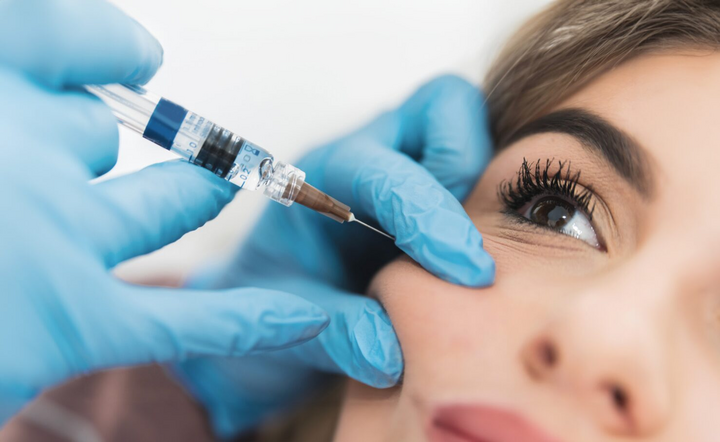
Getting fuller, more defined cheeks can change the overall balance of the face without surgery. Cheek Fillers Injection in Dubai is one option people consider to restore lost volume, enhance cheek contours, or create a more structured appearance. However, the final result is not determined by the filler alone. Factors such as facial anatomy, product choice, injection technique, lifestyle, and aftercare can all influence how your cheeks look after treatment.
Understanding these factors can help you develop realistic expectations and make more informed decisions before undergoing cheek augmentation with dermal fillers.
Facial Anatomy and Your Starting Point
One of the biggest factors affecting cheek filler results is your natural facial structure. Everyone has a different combination of bone structure, fat distribution, skin thickness, and facial proportions. Therefore, the same amount of filler can produce noticeably different results in two people.
A person with naturally prominent cheekbones may need only a small amount of product to enhance definition. Someone with significant midface volume loss may require a different approach to restore balance. Your provider should assess the cheeks in relation to the nose, lips, chin, jawline, and overall facial shape rather than treating the cheeks in isolation.
Age can also influence the starting point. As people age, changes in facial fat, skin elasticity, and underlying support can alter the appearance of the midface. Consequently, cheek filler may be used not simply to add fullness but to improve proportions and restore some lost volume.
Filler Type and Product Selection
The type of dermal filler used can have a major effect on the appearance, feel, and longevity of the result. Different fillers have different properties, including their consistency, firmness, water interaction, and intended uses.
Hyaluronic acid (HA) is commonly used in facial filler treatments. It naturally occurs in the body and can provide temporary volume because the material is gradually broken down and absorbed over time. The FDA notes that the duration of dermal filler effects varies according to the material and treatment area.
For cheek augmentation, the product needs to be appropriate for the desired level of projection and contour. A product that is too soft, too firm, or otherwise poorly suited to the treatment area may not produce the intended appearance.
Therefore, product selection should be based on your anatomy and treatment goals rather than simply choosing a filler because it is popular. Your qualified provider can explain which product characteristics are appropriate for your individual needs.
Injection Technique and Provider Experience
Even an appropriate filler may not produce the desired outcome if it is placed incorrectly. Cheek filler treatment requires detailed knowledge of facial anatomy, including the location of blood vessels, nerves, fat compartments, and other structures.
Injection depth, placement, amount, and distribution can influence whether the cheeks appear naturally lifted and balanced or overly prominent. Small differences in placement can also affect symmetry and facial proportions.
For this reason, the skill and experience of the injector are important considerations. The FDA recommends choosing a licensed healthcare professional who is trained and experienced in dermal filler injections and understands facial anatomy and potential complications.
A thoughtful treatment approach usually focuses on controlled enhancement rather than adding as much volume as possible. The goal is often to complement your existing facial structure rather than create an entirely different appearance.
Amount of Filler and Treatment Goals
The amount of filler used is another important factor. More filler does not automatically mean a better result. In fact, excessive volume can make the cheeks appear unnatural or disproportionate to the rest of the face.
Before treatment, it is useful to communicate what you actually want to change. For example, you may be interested in:
- Restoring volume lost with age
- Creating more visible cheek definition
- Improving facial symmetry
- Supporting a softer, more youthful appearance
- Enhancing naturally flat cheek contours
Your provider can then determine an appropriate treatment plan based on your facial anatomy and goals.
A conservative approach may also make it easier to assess the initial result before deciding whether additional correction is appropriate. This can be particularly useful for someone receiving cheek fillers for the first time.
Swelling, Bruising, and the Healing Process
What you see immediately after cheek filler injections may not represent the final result. Temporary swelling, redness, tenderness, and bruising can occur after treatment. According to the FDA, these common reactions generally appear soon after injection and often resolve over several days to weeks.
Swelling can temporarily make the cheeks look larger than expected. As inflammation settles, the appearance usually becomes easier to evaluate. This is why judging the outcome immediately after treatment can lead to unnecessary concern or unrealistic expectations.
Your individual healing response also matters. Some people experience more swelling or bruising than others, depending on factors such as skin sensitivity, injection technique, and individual healing characteristics.
Following the aftercare instructions provided by your healthcare professional can help support a smoother recovery.
Lifestyle and Aftercare Can Influence Results
Your habits around the time of treatment can also affect your recovery experience. While aftercare recommendations vary depending on the product and technique used, following your provider's instructions is important.
Certain activities may temporarily increase swelling or discomfort, so your provider may recommend limiting specific activities during the early recovery period. You should also tell your provider about medications, supplements, allergies, and relevant medical conditions before treatment.
Do not make changes to prescribed medication without medical advice. Instead, discuss anything that could potentially affect bruising, swelling, or healing with your healthcare professional before receiving injections.
Good aftercare is particularly important because the treatment area needs time to settle. Being patient during this stage can help you evaluate the result more accurately.
Skin Quality and Existing Facial Changes
Skin condition can also influence how cheek augmentation looks. Filler adds volume beneath the skin, but it does not automatically correct every concern related to skin texture, pigmentation, or elasticity.
For example, someone with significant skin laxity may have different expectations from someone with firm skin and good elasticity. Adding volume alone may not address every aspect of facial ageing.
This does not mean cheek fillers cannot be effective. Rather, it highlights why treatment planning should consider the whole face and the quality of the surrounding tissues.
A recent ASPS discussion also emphasizes that facial appearance depends on more than volume alone, with skin tone, texture, and overall skin quality contributing substantially to perceived results.
Your Expectations and the Desired Look
Expectations can strongly influence how you perceive your results. Cheek fillers are generally intended to enhance or restore facial volume, not completely transform the underlying facial structure.
A natural-looking result may involve relatively subtle changes that improve facial proportions without making the treatment obvious. If your goal is extremely dramatic cheek projection, your provider may explain the limitations and potential trade-offs involved.
It is helpful to bring reference photographs if you have a particular aesthetic style in mind. However, keep in mind that another person's result may not be achievable or appropriate for your facial anatomy.
During consultation, discuss whether you prefer subtle enhancement, noticeable definition, restoration of lost volume, or another specific outcome. Clear communication can help align the treatment plan with your expectations.
How Long Your Results May Last
The longevity of cheek filler varies from person to person. The specific filler material, amount used, treatment area, metabolism, and other individual factors can influence how long the effect remains visible.
The FDA states that many dermal fillers are temporary because the body gradually absorbs their materials, meaning repeat treatments may eventually be needed to maintain the desired effect.
For example, an FDA-approved hyaluronic acid filler specifically indicated for cheek augmentation has been shown in clinical data to provide temporary improvement, with results lasting up to 48 weeks in that particular study. Individual results can differ, however.
Therefore, it is better to think of cheek filler as a treatment with variable longevity rather than expecting one fixed duration for everyone.
Safety Is Part of Achieving a Good Result
A successful cosmetic result should always include safety. Dermal filler injections are medical procedures, and although common reactions such as swelling and bruising are usually temporary, serious complications can rarely occur.
The most concerning complication is accidental injection into a blood vessel. The FDA reports that this can potentially cause tissue damage, vision abnormalities, blindness, or stroke.
Seek urgent medical attention if you experience unusual or severe pain, changes in vision, or unusual white, gray, or blue discoloration of the skin after filler treatment.
Choosing a properly qualified and experienced healthcare professional is therefore one of the most important factors in both safety and aesthetic outcome.
Final Thoughts
The results of Cheek Fillers Injection depend on much more than the filler itself. Your facial anatomy, product selection, injection technique, treatment volume, skin quality, healing response, lifestyle, aftercare, and expectations can all influence the final appearance.
For the most natural-looking outcome, focus on individualized treatment planning rather than simply seeking more volume. A qualified healthcare professional can assess your facial structure, explain appropriate options, and help establish realistic expectations before treatment.