Acne Scar Treatment: Tips for Healthier, Smoother-Looking Skin
Posted by care health
163 views
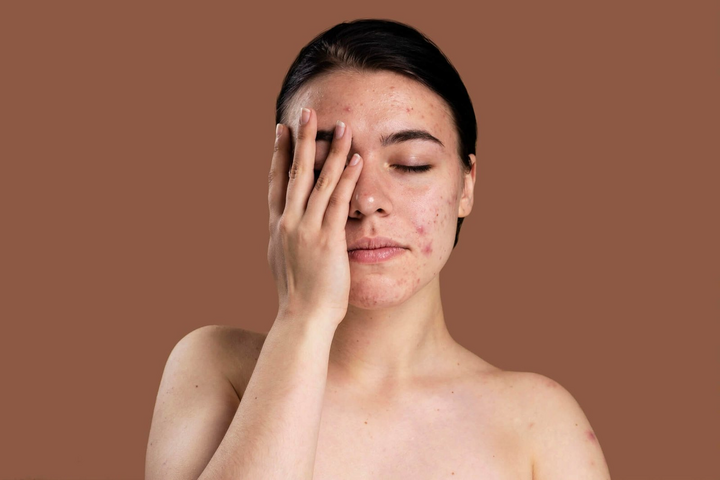
Acne can fade, but the marks and scars it leaves behind may remain long after breakouts have cleared. For people considering Acne Scar Treatment in Dubai, understanding the type of scarring, choosing suitable treatment options, and following consistent skin-care habits can make a meaningful difference. While acne scars cannot always be removed completely, modern treatments can help improve skin texture, reduce discoloration, and create a smoother-looking complexion.
Understanding the Different Types of Acne Scars
Not every acne mark is a true scar, and identifying the difference is an important first step. Post-inflammatory hyperpigmentation appears as flat dark or reddish spots after acne heals, while acne scars involve changes to the skin's texture or structure.
Atrophic scars are particularly common. They develop when acne inflammation damages collagen and leaves depressed areas in the skin. These scars are generally divided into three main types:
- Rolling scars: Broad depressions with soft, uneven edges that can make the skin appear wavy.
- Boxcar scars: Wider depressions with more defined, sharply outlined edges.
- Ice pick scars: Narrow, deeper indentations that extend further into the skin.
Some people also develop raised acne scars, known as hypertrophic scars or keloids. Because different scars respond differently to treatment, a professional skin assessment can help determine which approach is most appropriate.
What Causes Acne Scarring?
Acne scarring usually develops when inflammation damages deeper layers of the skin. Large, inflamed pimples, cysts, and nodules have a greater tendency to cause lasting changes than mild surface breakouts.
However, picking, squeezing, or repeatedly touching acne can increase inflammation and interfere with normal healing. This may raise the risk of both discoloration and permanent textural scarring.
Your skin type and natural healing response also influence how scars develop. People who experience prolonged inflammation or noticeable pigmentation after acne may need a treatment strategy that addresses both scar texture and uneven skin tone.
For this reason, acne scar treatment in Dubai should ideally begin with an assessment rather than choosing a procedure based only on photographs or online recommendations.
Acne Scar Treatment Options for Smoother Skin
Treatment depends on whether the main concern is pigmentation, uneven texture, depressed scars, or a combination of problems. A customized approach may use one treatment or combine several techniques over multiple sessions.
Microneedling
Microneedling creates controlled microscopic injuries in the skin to encourage the body's natural wound-healing response. As new collagen forms, the appearance of certain depressed acne scars and uneven texture may gradually improve.
It is commonly considered for rolling and some boxcar scars. Results generally develop progressively rather than immediately, because collagen remodeling takes time.
Laser Treatments
Laser resurfacing can target damaged skin and stimulate collagen production. Depending on the technology used, treatment may focus on resurfacing the surface layer, remodeling deeper tissue, or improving pigmentation.
Lasers can be useful for selected acne scars, but the appropriate technology depends on skin tone, scar depth, sensitivity, and the individual's risk of post-inflammatory pigmentation. Professional assessment is particularly important for people with darker skin tones.
Chemical Peels
Certain chemical peels exfoliate damaged outer layers of skin and encourage renewal. They may be useful for mild textural irregularities and post-acne discoloration.
However, stronger does not automatically mean better. The concentration and type of peel should be selected according to the individual's skin condition because excessive irritation can potentially worsen pigmentation.
Subcision
Subcision is designed primarily for depressed scars that are tethered to deeper tissues. During the procedure, a specialized needle is used beneath the scar to release fibrous bands pulling the skin downward.
Once the tethering is released, the depression may appear less pronounced. Subcision is sometimes combined with other procedures when multiple scar characteristics are present.
Dermal Fillers
Certain depressed scars may be improved temporarily with injectable dermal fillers that add volume beneath an indentation. Fillers are generally considered for selected rolling or boxcar scars rather than every type of acne scar.
Because injectable treatments require knowledge of facial anatomy and individual skin characteristics, they should be performed by an appropriately qualified medical professional.
How to Support Your Skin Before and After Treatment
Professional procedures are only one part of improving the appearance of acne-scarred skin. A consistent home-care routine can help protect the skin barrier and reduce the chance of developing additional marks.
A simple routine may include:
- Use gentle cleansing: Choose a mild cleanser and avoid aggressive scrubbing that can irritate the skin.
- Apply sunscreen daily: Broad-spectrum sunscreen helps protect against UV-related darkening and supports more even-looking skin.
- Keep the skin moisturized: A suitable moisturizer can support the skin barrier and reduce dryness or irritation.
- Avoid picking acne: Squeezing active blemishes can increase inflammation and the risk of additional marks.
- Follow treatment instructions: After procedures such as microneedling, peels, or laser treatments, follow the recommended aftercare routine carefully.
Sun protection is especially important when treating pigmentation. Ultraviolet exposure can make existing dark marks more noticeable and may interfere with achieving an even skin tone.
Can Skin Care Products Improve Acne Scars?
Some topical ingredients can help improve the appearance of post-acne discoloration and support healthier-looking skin. However, skincare products generally have limitations when it comes to deeper depressed scars.
Retinoids, for example, can encourage skin-cell turnover and may support collagen production over time. Ingredients such as niacinamide, azelaic acid, and vitamin C may also be useful for addressing uneven pigmentation in suitable individuals.
Still, topical products should be introduced gradually, particularly if the skin is sensitive or another acne treatment is already being used. Irritation can trigger inflammation and potentially worsen post-inflammatory pigmentation.
A skincare routine should also address active acne. Treating new breakouts can help prevent additional inflammation while existing scars are being improved.
How to Choose the Right Acne Scar Treatment
The best treatment is not necessarily the newest or most intensive option. Instead, it should match the scar type, skin characteristics, treatment goals, and tolerance for downtime.
During an assessment, a qualified professional may consider:
- Whether the concern is pigmentation or true textural scarring
- The depth and type of acne scars
- Current or recurring acne
- Skin tone and sensitivity
- Previous treatments and their results
- Expected recovery time
- Whether combination treatment may provide better improvement
For example, rolling scars may respond well to collagen-stimulating treatments or subcision, while ice pick scars often require a different strategy. Someone whose main concern is dark post-acne marks may benefit from pigmentation-focused care rather than an aggressive scar procedure.
This individualized approach is an important part of Acne Scar Treatment in Dubai, particularly when the goal is gradual improvement without unnecessary irritation.
What Results Should You Expect?
Acne scar improvement is usually a gradual process. Collagen-based treatments need time for the skin to remodel, so changes may become more noticeable over several weeks or months rather than immediately after a session.
The number of treatments required varies according to scar depth, skin condition, treatment method, and individual healing response. Deeper scars can be more challenging than mild surface irregularities, and complete removal is not always realistic.
A more practical goal is often to make scars less noticeable and improve overall skin texture. With an appropriate treatment plan and consistent aftercare, many people can achieve a smoother and more even-looking complexion.
It is also important to distinguish realistic improvement from permanent perfection. Acne scars can often be softened considerably, but the final outcome depends on several factors beyond the treatment itself.
Everyday Tips for Healthier-Looking Skin
Even after professional treatment, everyday habits can influence how the skin looks and feels. Avoiding unnecessary irritation and protecting the skin from environmental damage can help maintain improvements.
Use products that suit your skin rather than following every trending skincare routine. Introducing several strong active ingredients at once may cause irritation, making it harder to determine what your skin actually tolerates.
If acne is still active, focus on controlling breakouts as well. New inflammation can create new marks while you are trying to improve older scars, making long-term management more difficult.
Most importantly, be patient. Skin remodeling is biological rather than instant, so consistent care is generally more useful than frequently switching between treatments.
Conclusion
Healthier-looking skin after acne requires more than simply treating visible scars. Identifying the scar type, protecting the skin from the sun, managing active acne, and selecting an appropriate professional procedure can create a more effective path toward smoother texture and a more even complexion.
If you are considering Acne Scar Treatment, start with a professional evaluation so your treatment plan can be matched to your specific skin concerns and expectations.