Can Pico Laser Treatment Improve Skin Texture?
Posted by care health
211 views
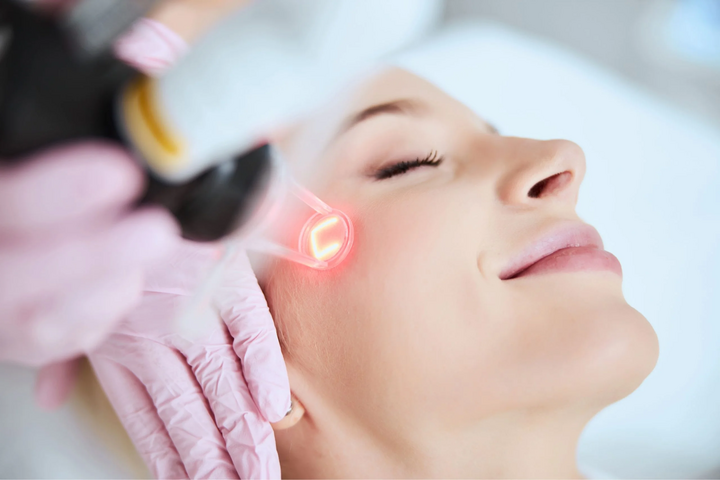
If your skin looks rough, uneven, or marked by acne scars, you may wonder whether laser treatment can create a smoother appearance without extensive downtime. Pico Laser Treatment in Dubai is increasingly considered for skin rejuvenation because certain picosecond laser systems can target pigmentation and stimulate skin remodeling while using extremely short pulses. Research suggests that fractional picosecond laser treatments may improve skin texture, acne-scar appearance, pores, and fine lines, although results depend on the laser wavelength, treatment settings, skin condition, and individual response.
What Is Pico Laser Treatment?
Pico laser treatment uses ultra-short pulses of laser energy measured in picoseconds, or trillionths of a second. Unlike conventional laser approaches that may rely heavily on prolonged heat, picosecond technology can produce a strong photomechanical effect that targets specific areas while limiting unnecessary thermal exposure.
For skin texture concerns, fractional handpieces or diffractive lens arrays can create microscopic treatment zones in the skin. These controlled effects may encourage dermal remodeling, including changes involving collagen and elastic fibers.
The technology can be used for several cosmetic concerns, but its suitability depends on the specific device and treatment protocol. A systematic review of picosecond lasers found evidence supporting their use in skin rejuvenation and scar revision, although the strength of evidence varies between applications.
How Can Pico Laser Improve Skin Texture?
The main reason pico laser can improve texture is its ability to stimulate remodeling within the skin rather than simply addressing surface discoloration.
Fractional picosecond treatments can produce microscopic zones of controlled injury or optical breakdown. The healing response may encourage the formation and reorganization of collagen and elastic fibers, helping the skin appear more even over time.
A clinical study involving a fractional 1,064-nm picosecond laser found significant improvements in wrinkles, skin texture, depressions, and pore appearance. The researchers also observed improvements in skin firmness and elasticity after a series of treatments.
This means the treatment may be particularly useful when roughness is connected to acne scars, enlarged pores, mild wrinkles, or uneven skin surface.
Pico Laser for Acne Scars and Uneven Texture
Acne scars are one of the areas where fractional picosecond laser technology has received considerable research attention. Atrophic scars can create depressions and irregularities that make the skin surface appear uneven even after active acne has disappeared.
Studies suggest that fractional picosecond laser treatment can reduce scar volume and improve measurable skin roughness. In one prospective study of Asian patients with atrophic acne scars, improvements in scar volume and skin roughness continued to become more noticeable during follow-up, with significant improvement recorded six months after the final treatment.
Another study found that a 755-nm picosecond laser using a diffractive lens array improved the appearance and texture of facial acne scars, with objective analysis showing an average reduction in scar volume that remained at follow-up. Histological findings also indicated increased dermal collagen and changes in elastic fibers.
A 2023 meta-analysis further concluded that fractional picosecond lasers can provide clinical improvement in atrophic acne scars comparable to other fractional lasers, while some studies found lower pain and post-inflammatory hyperpigmentation rates.
However, pico laser is not necessarily the best option for every scar type. Deep or sharply defined scars may require a different combination of procedures, depending on their depth and structure.
What Skin Texture Concerns Can It Address?
The phrase “skin texture” can describe several different concerns. Pico laser may be considered when texture irregularities are associated with:
- Mild acne-scar depressions
- Rough or uneven skin surface
- Enlarged-looking pores
- Fine lines and wrinkles
- Uneven skin quality after acne
- Certain pigmentation-related concerns that make the complexion appear uneven
A small clinical study reported improvements in wrinkles, pores, depressions, and overall texture after fractional picosecond treatment.
Still, expectations should remain realistic. Pico laser can improve the appearance of many texture concerns, but it does not guarantee completely smooth skin or erase every type of scar.
What Results Can You Expect From Pico Laser?
Results are generally gradual rather than immediate. Some people may notice that their skin looks fresher or more even after the initial healing period, while improvements related to collagen remodeling can develop over subsequent weeks and months.
The number of sessions varies according to the condition being treated and the device used. Clinical studies have evaluated multiple treatment schedules, including several sessions spaced weeks or months apart.
For acne scars in particular, improvement may continue after the treatment series because collagen remodeling is a biological process that takes time. Therefore, judging the final outcome immediately after a session may give an incomplete picture.
Your skin type, scar severity, age, lifestyle, sun exposure, and treatment settings can all influence the outcome. A personalized assessment is therefore important before deciding whether fractional pico laser is appropriate.
Is Pico Laser Suitable for Different Skin Types?
Laser treatment needs to be selected carefully for people with darker skin because excessive inflammation can sometimes trigger post-inflammatory hyperpigmentation.
The available evidence is encouraging for certain picosecond protocols. For example, a study involving patients with Fitzpatrick skin types III and IV reported improvements in atrophic acne scars, while temporary post-inflammatory hyperpigmentation occurred in some treatment sessions and resolved during follow-up.
More recent research has also investigated a 755-nm picosecond laser with a fractionated lens array in Fitzpatrick skin types V and VI. In that study, participants received up to five monthly treatments, and the researchers reported clinical improvement without serious or unexpected adverse events.
Nevertheless, “safe for all skin types” is too broad a claim. The wavelength, handpiece, energy level, treatment density, and practitioner’s approach all matter. A qualified professional should assess your skin and pigmentation history before treatment.
What Is Recovery Like After Pico Laser?
One attraction of pico laser for skin texture is that some protocols can involve relatively limited downtime compared with more aggressive resurfacing procedures.
Temporary effects may include redness, swelling, sensitivity, itching, or small pinpoint changes in the treated area. In one clinical study, common reactions such as erythema, itching, and petechiae resolved within approximately two to three days.
However, recovery varies according to the device and settings used. Fractional treatment designed to stimulate deeper remodeling can produce more noticeable temporary reactions than a lighter treatment aimed primarily at pigmentation.
After treatment, following professional aftercare instructions is important. Protecting the skin from excessive ultraviolet exposure and avoiding unnecessary irritation can help support recovery and reduce the likelihood of pigmentation problems.
Is Pico Laser Better Than Other Texture Treatments?
Pico laser should not automatically be considered better than every other resurfacing procedure. Different treatments work through different mechanisms and may be better suited to different skin concerns.
For example, fractional picosecond laser and fractional carbon dioxide laser have both demonstrated improvements in atrophic acne scars. A randomized split-face study found that both approaches improved scar texture and atrophy, while the picosecond-treated side had a favorable safety profile in the study population.
The choice should therefore depend on what is actually causing the texture problem. Mild roughness, pigmentation, enlarged pores, shallow scars, and deeper structural scars may require different approaches.
A consultation can help determine whether pico laser alone is appropriate or whether another treatment or combination approach would provide a more suitable result.
How to Get the Most From Pico Laser Treatment
Good treatment outcomes are not determined by the laser alone. Proper patient selection, appropriate settings, realistic expectations, and consistent aftercare all play important roles.
Before treatment, discuss:
- Your main skin-texture concern.
- Previous laser or cosmetic procedures.
- Your tendency to develop pigmentation after inflammation.
- Current skincare products and treatments.
- The expected number of sessions and recovery period.
- Whether your particular scar or texture concern is suitable for picosecond technology.
It is also important to understand that clinical research often focuses on specific laser wavelengths, handpieces, and treatment protocols. Results from one device should not automatically be assumed to apply identically to every pico laser system.
Conclusion
Yes, Pico Laser Treatment can improve skin texture in appropriately selected patients, particularly when unevenness is associated with acne scars, pores, fine lines, or other surface irregularities. Research has reported improvements in texture, scar volume, wrinkles, and skin quality following fractional picosecond treatments.
The treatment is not a universal solution, and results vary from person to person. A professional skin assessment can determine whether pico laser is suitable for your specific texture concerns and help establish realistic expectations for improvement.