How Sleep, Diet, and Exercise Can Give Your Immune System a Boost
Posted by care health
234 views
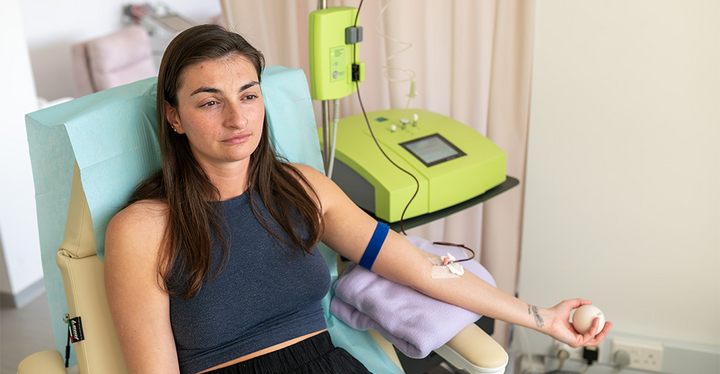
Your daily habits can play an important role in helping your body maintain a healthy immune response. If you are looking for an Immune System Boost in Dubai, focusing on sleep, a balanced diet, and regular exercise is a practical place to start. These three lifestyle factors work together to support immune function, energy levels, and overall well-being.
While no single food, workout, or sleep routine can prevent every illness, consistent healthy habits can help your immune system function properly. Understanding how these basics affect your body can make it easier to build a sustainable routine.
Why Sleep Matters for Immune Health
Sleep is more than a period of rest. During quality sleep, the body carries out important processes involved in tissue repair, hormone regulation, and immune function. Regularly getting enough sleep can help the body maintain an effective immune response.
Adults generally need around seven to nine hours of sleep each night, although individual needs can vary. Consistently sleeping too little may affect immune regulation and leave you feeling tired, stressed, and less able to maintain healthy routines.
A consistent sleep schedule can be particularly helpful. Going to bed and waking up at similar times each day helps support the body's natural sleep-wake rhythm.
Simple Ways to Improve Sleep
If your sleep routine needs improvement, small changes can make a difference:
- Keep a consistent bedtime and wake-up time.
- Limit caffeine later in the day.
- Reduce exposure to bright screens before bedtime.
- Keep your bedroom comfortable, quiet, and dark.
- Avoid heavy meals immediately before sleeping.
- Give yourself enough time for uninterrupted rest.
Better sleep is not about achieving perfection every night. Instead, aim for consistency and create habits that make sufficient rest easier to maintain.
Build an Immune-Supporting Diet
Nutrition provides the building blocks your body needs to perform many essential functions, including maintaining the immune system. A balanced diet supplies vitamins, minerals, protein, healthy fats, fiber, and other nutrients that support normal immune function.
Rather than relying on one so-called "immune-boosting" food, focus on dietary variety. Eating different fruits, vegetables, whole grains, legumes, nuts, seeds, lean proteins, and other nutrient-rich foods can help provide a broad range of essential nutrients.
Important nutrients associated with normal immune function include vitamin C, vitamin D, vitamin A, zinc, selenium, and protein. However, taking high-dose supplements without a medical reason is not necessarily beneficial and can sometimes be harmful.
Foods That Support Immune Function
A varied diet can include foods such as:
- Citrus fruits: Oranges, grapefruit, lemons, and other citrus fruits provide vitamin C.
- Colorful vegetables: Carrots, spinach, peppers, broccoli, and sweet potatoes contain various vitamins and plant compounds.
- Yogurt and fermented foods: Some fermented foods contain beneficial microorganisms that may support gut health.
- Nuts and seeds: Almonds, sunflower seeds, pumpkin seeds, and other varieties provide minerals and healthy fats.
- Legumes: Beans, lentils, and chickpeas provide protein, fiber, and micronutrients.
- Fish and lean proteins: These can provide protein and nutrients needed for normal body functions.
Hydration also matters. Drinking enough water throughout the day supports normal physiological processes, although water itself should not be viewed as a cure or direct treatment for infections.
How Exercise Supports the Immune System
Regular physical activity is another important part of a healthy lifestyle. Moderate exercise can support cardiovascular health, circulation, metabolic health, and overall physical fitness, all of which contribute to a healthier body.
Activities such as brisk walking, cycling, swimming, dancing, and recreational sports can be useful options. You do not necessarily need intense workouts to benefit from physical activity.
For many adults, a useful goal is to gradually work toward at least 150 minutes of moderate-intensity aerobic activity per week, combined with muscle-strengthening activities on two or more days, in line with general physical activity recommendations.
Choose Exercise You Can Maintain
The most effective routine is often the one you can follow consistently. If you are new to exercise, begin with manageable sessions rather than immediately attempting demanding workouts.
For example, you might start with a 20- to 30-minute walk several days a week and gradually increase the duration or intensity. Strength training, stretching, and mobility exercises can then be added according to your fitness level and goals.
It is also important to allow adequate recovery. Very demanding exercise without enough rest, nutrition, or sleep can increase physical stress rather than supporting a balanced routine.
The Connection Between Sleep, Diet, and Exercise
Sleep, nutrition, and physical activity should not be considered separate parts of immune health. They influence one another and can work together to support overall health.
For example, regular exercise may help some people sleep better. Adequate sleep can make it easier to stay active and make balanced food choices. Meanwhile, nutritious meals provide the energy and nutrients needed for physical activity and normal body functions.
This combination is particularly important when creating a long-term approach to immune health support in Dubai. Instead of searching for a quick solution, focus on several small habits that can realistically become part of your daily routine.
A Simple Daily Routine
A practical routine might look like this:
- Start the day with a balanced meal: Include protein, whole grains, fruit, or vegetables.
- Stay active: Take regular walks or include another form of moderate exercise.
- Eat a varied diet: Aim to include different colors and food groups throughout the day.
- Stay hydrated: Drink fluids regularly according to your individual needs.
- Create a sleep routine: Set a consistent bedtime and reduce stimulating activities before sleep.
- Allow recovery: Give your body adequate rest between demanding physical activities.
You do not need to change everything at once. Starting with one or two manageable habits can make it easier to build a sustainable lifestyle.
Common Mistakes to Avoid
When people search for ways to support their immune system, they may encounter claims about miracle foods, detoxes, or supplements. These approaches can distract from the fundamentals of healthy living.
A more sensible approach is to prioritize adequate sleep, balanced nutrition, regular physical activity, stress management, and appropriate healthcare when needed.
It is also important to remember that lifestyle habits support normal immune function but do not make you immune to infections. If you have persistent symptoms, nutritional deficiencies, or a medical condition affecting immunity, professional medical advice is appropriate.
Creating a Sustainable Immune-Healthy Lifestyle
Consistency matters more than short-term changes. Following a healthy routine for a few days and then returning to poor sleep, inactivity, or an unbalanced diet is unlikely to provide the same benefits as maintaining reasonable habits over time.
If you have a busy schedule, focus on realistic improvements. A short walk is better than no movement, a balanced home-cooked meal can be better than frequently relying on highly processed foods, and a consistent sleep schedule can be more useful than trying to "catch up" on rest occasionally.
For people seeking an immune system boost in Dubai, the same fundamentals apply: prioritize quality sleep, eat a diverse and nutritious diet, remain physically active, and pay attention to your body's recovery needs.
Conclusion
Sleep, diet, and exercise form three important foundations of a healthy lifestyle. Getting sufficient sleep supports normal immune regulation, nutritious foods provide essential nutrients, and regular physical activity contributes to overall physical health.
There is no single shortcut to better immune health. By making realistic improvements to your daily routine and maintaining them consistently, you can provide your body with the support it needs for normal immune function. For a sustainable Immune System Boost, start with simple habits you can maintain every day.