Do You Need a Retainer After Braces?
Posted by care health
Filed in Health 254 views
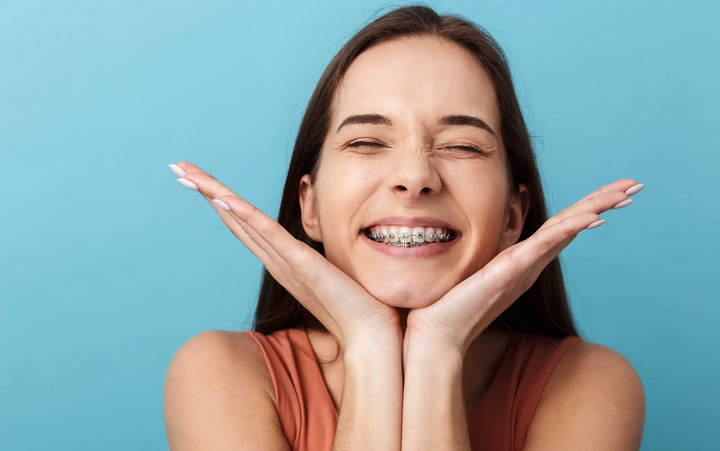
Getting the best Braces in Dubai can help improve the alignment of your teeth and create a healthier, more balanced smile. However, finishing your orthodontic treatment does not always mean your teeth will stay in their new positions automatically. In most cases, wearing a retainer after braces is an essential part of maintaining your results and preventing your teeth from gradually shifting.
Why Do You Need a Retainer After Braces?
Braces gently move teeth by applying controlled pressure over time. Once the braces are removed, the teeth have reached their intended positions, but the surrounding bone and soft tissues need time to adapt. During this adjustment period, the teeth can naturally try to move back toward their original locations.
This tendency is known as orthodontic relapse. It can happen because the tissues around your teeth retain some memory of their previous positions. Additionally, everyday activities such as chewing, speaking, and natural changes that occur with age can affect tooth alignment.
A retainer helps hold your teeth in place while the supporting tissues stabilize. Depending on your individual needs, your orthodontist may recommend wearing a retainer full-time at first and then transitioning to nighttime use.
What Happens If You Don't Wear Your Retainer?
Skipping your retainer can increase the likelihood of your teeth shifting. Even small movements may become noticeable over time, particularly in areas where your teeth were significantly crowded or rotated before treatment.
Without consistent retainer use, you may notice:
- Teeth becoming slightly crooked again
- Gaps appearing between teeth
- Crowding returning, especially around the lower front teeth
- Changes in your bite
- Difficulty fitting your retainer after a period of non-use
The extent of movement varies from person to person. Some people may experience only minor changes, while others may see more noticeable relapse. Therefore, following your orthodontist's retention plan is important for protecting the alignment achieved through treatment.
How Long Should You Wear a Retainer?
Retainer use is not necessarily limited to a few months after braces are removed. Teeth can shift throughout life, which means long-term retention is often recommended.
Initially, you may be asked to wear your retainer for most of the day, removing it only for eating, drinking certain beverages, and cleaning. After this initial phase, your orthodontist may advise you to wear it primarily while sleeping.
The exact schedule depends on factors such as your age, the original position of your teeth, the type of braces you had, and how your teeth responded to orthodontic movement. For this reason, there is no single retainer schedule that works for everyone.
Types of Retainers Available After Orthodontic Treatment
There are several types of retainers, and each has different features. Your orthodontist will consider your alignment and lifestyle when recommending the most suitable option.
Removable retainers are popular because they can be taken out for meals and oral hygiene. They are generally easy to clean, but their effectiveness depends heavily on wearing them as instructed.
Fixed retainers are attached to the back surfaces of selected teeth. They remain in place continuously and can provide ongoing support without requiring you to remember to put them in. However, cleaning around the wire requires careful attention.
Clear retainers are designed to fit closely over the teeth and are less noticeable than some traditional alternatives. Because they are removable, maintaining good hygiene and storing them safely when they are not being worn is important.
Each type has advantages and limitations. Your orthodontic provider can explain which retention method best suits your specific alignment needs.
What Is the Role of Braces treatment in Retention?
The success of Braces treatment is not determined only by how straight your teeth look when the braces are removed. Retention is an important part of the overall orthodontic process because it helps preserve the position achieved during active tooth movement.
In fact, orthodontic care can be viewed as having two important phases: active treatment and retention. During active treatment, braces or other orthodontic appliances guide the teeth into better positions. During retention, the goal shifts toward maintaining that alignment.
This is why your retainer should be considered part of your long-term oral care rather than an optional accessory. Consistent use can help you enjoy the results of your orthodontic journey for many years.
How Should You Care for Your Retainer?
Proper retainer care can help keep it clean, comfortable, and functional. If you have a removable appliance, rinse it with cool or lukewarm water whenever you take it out. You can also clean it regularly according to the instructions provided by your orthodontic team.
Avoid exposing a removable retainer to very hot water, as excessive heat may distort its shape. When you are not wearing it, keep it in its protective case rather than placing it loosely in a pocket or bag.
It is also important to keep your retainer away from pets, who may mistake it for a chew toy. If the appliance becomes cracked, warped, loose, or uncomfortable, contact your orthodontic provider rather than trying to adjust it yourself.
What If You Stop Wearing Your Retainer?
If you have stopped wearing your retainer for several days or weeks, do not immediately force it into place if it feels unusually tight or painful. Your teeth may have shifted enough that the appliance no longer fits correctly.
Instead, arrange an appointment with your orthodontic provider. They can assess whether your teeth have moved and determine whether you can resume wearing the existing retainer or need a replacement.
In some cases, minor movement can be managed by returning to regular retainer use. However, if significant relapse has occurred, additional orthodontic treatment may be necessary to restore alignment.
How Can You Make Retainer Use a Habit?
The easiest way to maintain consistency is to connect retainer use with an existing part of your daily routine. For example, keeping your retainer case beside your toothbrush can remind you to put it in before going to bed.
You can also:
- Clean your retainer as part of your nightly routine
- Keep a spare case when traveling
- Follow the recommended wearing schedule
- Store your retainer safely when it is not in use
- Attend follow-up orthodontic appointments when advised
Building a simple routine makes long-term retention much easier. Since orthodontic results can change gradually, consistency is often more effective than trying to correct problems after they develop.
Conclusion
A retainer is generally an important part of maintaining your smile after braces. While active orthodontic treatment helps move your teeth into better alignment, retention helps keep them there as your mouth continues to change over time. Whether you use a removable, clear, or fixed retainer, following your orthodontist's recommendations can reduce the risk of unwanted tooth movement. If you are considering orthodontic treatment or have questions about maintaining your results, Dynamic Clinic can help you understand the retention process and the options suited to your needs.