How to Prevent Bruising from Dermal Fillers?
Posted by hassan care
Filed in Health 296 views
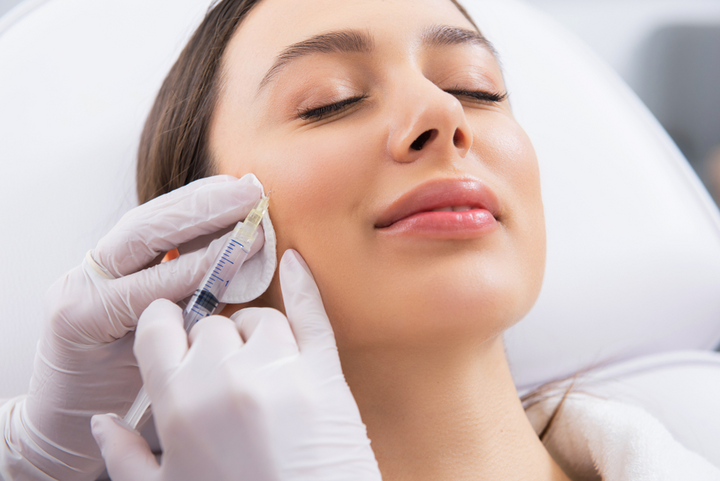
How to Prevent Bruising from Dermal Fillers? is one of the most common concerns for people considering cosmetic enhancement, especially in areas where facial skin is delicate and highly vascular.
Dermal Fillers Injections in Dubai have become increasingly popular for restoring volume and enhancing facial contours with natural-looking results, especially among individuals seeking refined aesthetic improvements. In clinical settings such as Dynamic Clinic in Dubai, practitioners often emphasize preparation and technique as key factors in minimizing post-treatment side effects like bruising.
Bruising is not always avoidable, but it can be significantly reduced with the right approach before, during, and after the procedure. Understanding how it develops helps in managing expectations and improving recovery outcomes.
Why Bruising Happens After Dermal Fillers
Bruising after dermal fillers typically occurs when small blood vessels under the skin are disturbed during injection. The face contains a dense network of capillaries, especially around the lips, under-eyes, and cheeks, which makes these areas more sensitive.
When the needle or cannula passes through these vessels, minor bleeding can occur beneath the skin surface, leading to visible discoloration. The body then gradually breaks down this trapped blood, which is why bruises change color and fade over time.
Individual factors such as skin sensitivity, vascular structure, and natural healing response also influence how easily bruising appears, even when the procedure is performed correctly.
Pre-Treatment Preparation to Reduce Bruising
Proper preparation before dermal filler treatment plays a major role in reducing the risk of bruising. Small adjustments in routine can help strengthen capillaries and minimize bleeding tendencies during injections.
Common pre-treatment recommendations include:
- Avoiding blood-thinning medications unless medically necessary and approved by a physician
- Limiting alcohol intake for a few days before treatment
- Reducing high doses of supplements such as fish oil, vitamin E, and ginkgo biloba
- Staying well hydrated to support skin elasticity
- Scheduling treatment when the body is not fighting illness or inflammation
These steps help ensure the skin and underlying tissues are in a stable condition, making them less prone to microvascular damage during the procedure.
Lifestyle Factors That Influence Bruising Risk
Daily habits can also affect how the skin responds to dermal filler injections. Some individuals naturally bruise more easily due to lifestyle or physiological factors that influence circulation and clotting.
Smoking, for example, can weaken blood vessel walls and slow down healing, increasing the likelihood of visible bruising. High stress levels may also impact circulation and skin sensitivity, making tissues more reactive during cosmetic procedures.
Nutritional balance is another important factor. Diets lacking in essential vitamins such as Vitamin C and Vitamin K may reduce the body’s ability to repair minor vascular injury efficiently, resulting in prolonged discoloration after treatment.
Techniques Used During Treatment to Minimize Bruising
The method used during dermal filler injections has a direct impact on how much bruising occurs. Skilled practitioners rely on precise techniques designed to reduce trauma to surrounding tissues.
One widely used approach involves the use of a blunt-tip cannula instead of a sharp needle in suitable areas. This technique allows the filler to be distributed with less risk of piercing blood vessels directly.
Other professional strategies include:
- Slow and controlled injection of filler material
- Careful mapping of facial anatomy before treatment begins
- Applying cold compresses to constrict blood vessels
- Choosing entry points that avoid high-density vascular zones
- Using minimal pressure during injection to reduce tissue stress
These techniques are part of advanced aesthetic practice and contribute significantly to a smoother recovery experience.
Aftercare Practices That Support Faster Healing
Post-treatment care is essential in managing and minimizing bruising after dermal fillers. The first 24 to 48 hours are particularly important for stabilizing the treated area and preventing further irritation.
Recommended aftercare steps include:
- Applying cold compresses intermittently to reduce swelling
- Avoiding strenuous physical activity that increases blood flow to the face
- Sleeping with the head slightly elevated to prevent fluid accumulation
- Refraining from touching or massaging treated areas unless advised
- Avoiding heat exposure such as saunas or hot showers in the early recovery phase
These measures help the body naturally reabsorb any minor bleeding under the skin while keeping inflammation under control.
Factors That Increase the Likelihood of Bruising
Certain conditions make bruising more likely even when precautions are taken. Understanding these risk factors helps in planning treatment more effectively.
Higher-risk situations include:
- Naturally thin or sensitive skin
- Previous history of easy bruising
- Use of anticoagulant or blood-thinning medication
- Treatment in highly vascular facial zones
- Hormonal fluctuations that affect skin sensitivity
- Dehydration or poor skin health prior to procedure
Identifying these factors during consultation allows for adjustments in technique and preparation to improve outcomes.
When Bruising Is Normal and When to Monitor It
Mild bruising after dermal fillers is generally considered a normal reaction and usually fades within several days. The color changes from red or purple to yellowish tones as the body naturally breaks down the collected blood.
However, certain signs may require closer attention, especially if the area becomes increasingly painful or shows unusual firmness. While rare, persistent or expanding discoloration should be evaluated by a qualified professional to rule out complications.
Most cases remain mild and self-limiting, particularly when proper injection techniques and aftercare guidelines are followed consistently.
Practical Approaches for Better Cosmetic Outcomes
Achieving smoother results after dermal fillers is closely linked to preparation, precision, and post-care awareness. Patients who follow structured guidance before and after treatment often experience fewer visible side effects and more consistent aesthetic outcomes.
Simple habits such as planning treatment around a stable routine, maintaining skin health, and following professional recommendations contribute significantly to minimizing bruising risk while supporting natural-looking enhancement results.