How to Reduce Swelling Fast After Rhinoplasty?
Posted by hassan care
Filed in Health 273 views
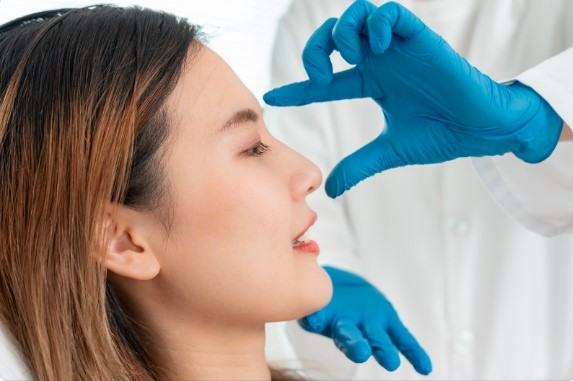
How to Reduce Swelling Fast After Rhinoplasty? is one of the most frequently asked questions by patients during the early recovery phase, especially when they want to see refined results as quickly as possible. Swelling is a natural part of healing after nasal surgery, and understanding how to manage it properly can significantly improve comfort and recovery outcomes. Patients considering Rhinoplasty in dubai often look for reliable post-operative care guidance to ensure smoother healing and more predictable results, especially when procedures are performed in well-established medical settings such as Dynamic Clinic in Dubai.
Swelling occurs due to tissue adjustment, minor trauma during surgery, and the body’s natural inflammatory response. While it cannot be completely avoided, it can be effectively controlled with the right aftercare strategies and disciplined recovery habits.
Understanding Post-Rhinoplasty Swelling
Swelling after rhinoplasty is not uniform; it changes in intensity and location over time. The upper nasal bridge typically settles faster, while the tip area may retain puffiness for a longer period. This happens because nasal tissues vary in thickness and blood circulation.
The first 48–72 hours are usually the peak phase of swelling. After this period, gradual improvement begins, although subtle swelling may persist for weeks or even months depending on skin type, surgical complexity, and individual healing capacity.
Patients should understand that swelling is part of the remodeling process, and managing expectations plays a key role in satisfaction during recovery.
Immediate Post-Operative Care Matters Most
The first few days after surgery are critical for controlling inflammation. Small lifestyle adjustments during this time can make a noticeable difference in how quickly swelling reduces.
Key practices include:
- Keeping the head elevated at all times, even during sleep
- Avoiding any pressure on the nose, including glasses or face-down positioning
- Resting in a calm environment with minimal movement
- Following all post-operative instructions carefully
These early habits help reduce fluid accumulation around the nasal tissues and support smoother circulation.
Cold Compress for External Swelling Control
Cold compress application is one of the most effective early-stage methods to manage swelling around the eyes and upper face. It helps constrict blood vessels, reducing fluid buildup in surrounding tissues.
Best practices for cold compress use:
- Apply gently around the eyes and cheeks, not directly on the nose
- Use short intervals rather than continuous pressure
- Avoid excessive cold exposure to prevent skin irritation
- Limit usage to the initial days after surgery as advised
Proper use of cold compresses can significantly reduce visible puffiness during the first phase of recovery.
Head Elevation and Sleeping Position
One of the most overlooked yet powerful recovery techniques is proper head positioning during sleep. Gravity plays a major role in fluid retention, and poor positioning can worsen swelling.
To optimize recovery:
- Sleep with the head elevated at a 30–45 degree angle
- Use extra pillows or a wedge pillow for support
- Avoid sleeping on the side or stomach
- Maintain this position consistently for the recommended recovery period
This simple adjustment helps fluid drain away from the nasal area, reducing morning puffiness and discomfort.
Nutrition and Hydration for Faster Healing
Diet directly influences how quickly the body recovers after surgery. Anti-inflammatory foods and proper hydration can support tissue repair and minimize prolonged swelling.
Helpful dietary choices include:
- Fresh fruits rich in antioxidants such as berries and citrus
- Vegetables like spinach, cucumber, and broccoli
- Protein-rich foods to support tissue regeneration
- Plenty of water to maintain hydration balance
At the same time, certain foods should be avoided:
- Excess salt, which can increase fluid retention
- Processed foods that slow healing
- Alcohol, which can intensify inflammation and dehydration
Balanced nutrition helps the body recover efficiently and reduces unnecessary swelling.
Physical Activity and Movement Control
Activity levels must be carefully managed after rhinoplasty to avoid triggering additional swelling. Even mild strain can increase blood pressure in the facial area, slowing recovery.
Guidelines for safe movement:
- Avoid strenuous exercise for the initial recovery phase
- Refrain from bending down or lifting heavy objects
- Keep daily movements slow and controlled
- Gradually reintroduce physical activity based on medical guidance
Gentle walking is usually acceptable after the first few days, as it promotes healthy circulation without stressing the surgical area.
Medications and Medical Compliance
Prescribed medications play an important role in controlling inflammation and supporting healing. Anti-inflammatory drugs and other post-surgical prescriptions are tailored to reduce discomfort and swelling.
Patients should:
- Take medications exactly as directed
- Avoid self-medicating or skipping doses
- Report any unusual reactions promptly
- Follow all scheduled follow-up instructions
Medical compliance ensures that swelling remains within expected limits and does not escalate due to avoidable complications.
Lymphatic Drainage and Gentle Care Techniques
In some recovery cases, gentle lymphatic drainage techniques may be recommended to help reduce fluid retention. These methods support the natural drainage system of the body and can speed up visible improvements.
However, they must only be performed when medically approved and never applied with pressure on the nasal structure. Even light facial massage should be approached cautiously during early healing.
Proper timing and technique are essential to avoid disrupting surgical results.
When Swelling Peaks and What to Expect
Swelling typically peaks within the first few days and gradually decreases over the following weeks. While external swelling becomes less noticeable relatively quickly, internal healing continues for a longer period.
Patients may notice:
- Morning puffiness that improves throughout the day
- Slight asymmetry during early healing stages
- Gradual refinement of nasal shape over time
These changes are normal and part of the structured healing process. Patience is essential, as final results take time to fully stabilize.
Warning Signs to Monitor
While swelling is expected, certain signs should not be ignored during recovery. Early awareness helps prevent complications and ensures timely intervention if needed.
Seek medical attention if experiencing:
- Increasing swelling after initial improvement
- Persistent redness or warmth
- Severe or unusual pain
- Unusual discharge or foul odor
Monitoring these symptoms ensures a safe and smooth recovery journey.
Conclusion
Effective swelling control after rhinoplasty depends on a combination of disciplined care, lifestyle adjustments, and adherence to medical guidance. From proper head elevation and nutrition to controlled activity levels, each step plays a role in supporting faster recovery and more refined outcomes. Understanding how the body heals and respecting its timeline allows patients to achieve optimal results while maintaining comfort throughout the healing process.