How Does Fractional CO2 Laser Treatment Compare to IPL?
Posted by hassan care
319 views
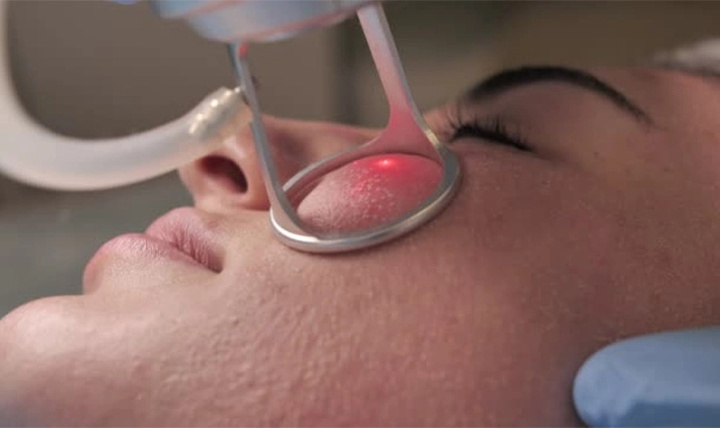
When it comes to improving skin texture, reducing scars, and achieving a more youthful appearance, Fractional CO2 Laser Treatment in Dubai has become one of the most sought-after aesthetic procedures. While many people also consider Intense Pulsed Light (IPL), understanding the differences between these treatments helps in choosing the most suitable option for individual skin concerns. Both technologies target skin imperfections, but they work in different ways and offer distinct advantages depending on the desired outcome.
Understanding Fractional CO2 Laser Treatment
Fractional CO2 laser technology uses a carbon dioxide laser to create microscopic treatment zones within the skin. These tiny channels stimulate the body's natural healing response while leaving surrounding tissue untouched, allowing faster recovery than traditional laser resurfacing.
This treatment primarily focuses on improving skin texture and promoting collagen production. It is commonly recommended for individuals dealing with:
- Acne scars
- Fine lines and wrinkles
- Sun-damaged skin
- Uneven skin texture
- Enlarged pores
- Mild skin laxity
- Surgical scars
As new collagen develops over time, the skin gradually becomes smoother, firmer, and healthier.
What Is IPL?
Intense Pulsed Light (IPL) is not technically a laser. Instead, it uses broad-spectrum light to target pigments within the skin. Unlike fractional lasers that create controlled microscopic injuries, IPL delivers multiple wavelengths of light to address discoloration and vascular concerns.
IPL is commonly used to improve:
- Age spots
- Freckles
- Sunspots
- Redness
- Broken capillaries
- Rosacea
- Mild pigmentation issues
Because IPL focuses mainly on pigmentation and redness rather than deep skin remodeling, it usually requires multiple sessions to achieve noticeable improvements.
How Do These Treatments Work Differently?
Although both treatments aim to rejuvenate the skin, their mechanisms differ significantly.
Fractional CO2 laser works by creating controlled microscopic columns of thermal energy deep within the skin. This process triggers collagen remodeling, tissue repair, and skin renewal from within.
IPL, on the other hand, emits pulses of light that are absorbed by pigment and blood vessels without significantly resurfacing the skin. Instead of stimulating major collagen remodeling, IPL mainly targets surface discoloration.
As a result, Fractional CO2 laser is generally chosen for structural skin concerns, whereas IPL is preferred for color correction.
Which Skin Concerns Respond Better?
The right treatment depends on the specific condition being addressed.
Fractional CO2 Laser is often more effective for:
- Deep acne scars
- Wrinkles
- Rough skin texture
- Stretch marks
- Surgical scars
- Significant sun damage
- Skin resurfacing
IPL is commonly recommended for:
- Brown spots
- Redness
- Rosacea
- Uneven pigmentation
- Broken facial vessels
- Mild sun damage
Many aesthetic specialists may even recommend combining both treatments at different stages to address multiple concerns effectively.
At Dynamic life clinic, patients often receive personalized treatment plans based on their skin type, existing concerns, and long-term cosmetic goals, allowing therapies to complement each other instead of relying on only one procedure.
Benefits of Fractional CO2 Laser Treatment
Compared with IPL, Fractional CO2 laser offers several unique advantages, particularly for individuals seeking dramatic skin rejuvenation.
Some of its major benefits include:
- Stimulates long-lasting collagen production
- Improves acne scars significantly
- Reduces fine lines and wrinkles
- Refines uneven skin texture
- Tightens mildly loose skin
- Softens surgical scars
- Shrinks enlarged pores
- Produces noticeable resurfacing results
- Supports long-term skin renewal
These improvements continue developing over several months as collagen production naturally increases after treatment.
Recovery Differences
Recovery is one of the biggest distinctions between these procedures.
Fractional CO2 laser usually involves several days of redness, swelling, and peeling as the skin heals. The treated area gradually forms fresh, healthier skin while collagen continues rebuilding beneath the surface.
IPL generally has much shorter downtime. Most individuals experience temporary redness that disappears within a day or two, making it suitable for those seeking minimal interruption to daily activities.
Although Fractional CO2 requires a longer healing period, its deeper remodeling often produces more dramatic improvements for texture-related concerns.
Which Treatment Produces Longer-Lasting Results?
Longevity depends on several factors, including age, skin condition, sun protection, and skincare habits.
Fractional CO2 laser typically delivers longer-lasting improvements because it stimulates collagen remodeling deep within the skin. Since collagen continues rebuilding after treatment, results often become increasingly noticeable over the following months.
IPL mainly treats pigmentation and vascular lesions. While excellent for correcting discoloration, new sun exposure or natural aging may eventually cause new pigment changes that require maintenance sessions.
For individuals seeking lasting improvement in skin quality, Fractional CO2 laser generally offers greater long-term benefits.
Choosing Between Fractional CO2 Laser and IPL
Selecting the right treatment should always depend on personal skin goals rather than popularity.
Fractional CO2 laser may be ideal if you want to improve:
- Acne scars
- Wrinkles
- Skin texture
- Enlarged pores
- Skin resurfacing
- Mild skin tightening
IPL may be a better option if your primary concerns include:
- Pigmentation
- Sunspots
- Facial redness
- Rosacea
- Broken capillaries
- Uneven skin tone
In some cases, combining both technologies at different intervals provides comprehensive skin rejuvenation by addressing both texture and discoloration.
Conclusion
Both treatments have valuable roles in modern skin rejuvenation, but they serve different purposes. IPL excels at treating pigmentation and redness with minimal recovery, while Fractional CO2 Laser Treatment focuses on deeper skin renewal through collagen stimulation and resurfacing. Understanding these differences allows individuals to select the approach that best matches their skin concerns, expectations, and long-term aesthetic goals for healthier, smoother, and more youthful-looking skin.