Melted Vinyl Sidings? You Need to Find a Siding Company Near You
Posted by Roof Masters and Exteriors
Filed in Business 293 views
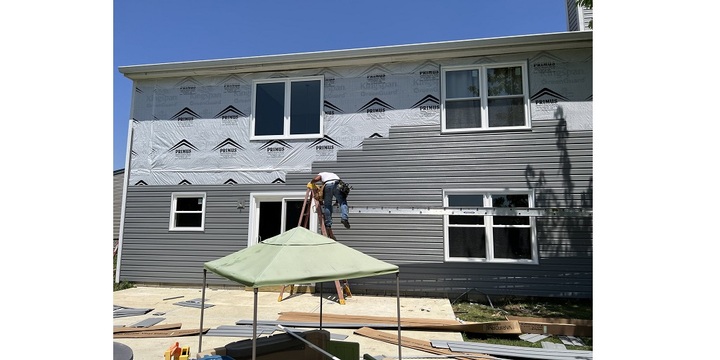
People across Indianapolis prefer vinyl siding because of its many qualities, which include durability, affordability, and easy maintenance. But many homeowners are still surprised to discover sections of their siding suddenly warped, buckled, or melted without any obvious source of fire or heat. If you have noticed distorted panels on the side of your home, searching for “siding companies near me” is often the first step toward understanding the problem and preventing it from spreading.
Why Your Siding is Melting
The most common cause of melted vinyl siding is the reflection of concentrated sunlight from nearby windows. This issue has become more noticeable in recent years because many modern windows are built with energy-efficient coatings designed to reflect heat away from the home. While those coatings help reduce energy costs, they can also create an unintended side effect. Under the right conditions, sunlight bounces off the glass and focuses intense heat onto a nearby section of siding.
Vinyl siding also begins to soften and deform at relatively low temperatures compared to other building materials. During certain times of day, especially when the sun sits lower in the sky, reflected sunlight can become concentrated enough to create heat capable of warping the siding surface. Homeowners often notice the damage forming in curved or rippled patterns, almost as if the siding has been exposed to a heat gun.
The location of the house can also contribute to the problem. Homes with closely spaced neighboring windows, south-facing walls, or large reflective glass surfaces may experience stronger heat concentration. In some cases, landscaping features, mirrors, metal fixtures, or even nearby vehicles can intensify sunlight and increase the risk of siding damage.
Ways to Lower Heat Risk for Your Siding
Homeowners can reduce the chances of the problem happening again in several ways. One solution is to add an exterior screen to the window responsible for the reflection. A screen helps diffuse the sunlight before it reaches the siding. Some homeowners also install awnings or shades to block direct reflection during the hottest parts of the day.
Landscaping can help as well. Strategically planting shrubs or small trees may interrupt the reflected light before it reaches the siding. While this solution takes time to grow in fully, it can improve curb appeal while also reducing heat exposure around vulnerable areas of the home.
Once siding has already melted or warped, repairs usually involve removing and replacing the damaged sections. Professional siding repair contractors carefully detach the affected panels without disturbing the surrounding materials. Since vinyl siding locks together in overlapping rows, the repair process requires precision to avoid cracking or loosening nearby sections.
For Repair and Installation, Look For "Siding Companies Near Me"
Experienced siding professionals typically start by unlocking the upper panels and removing nails from the damaged pieces. They then measure, cut, and install the replacement so it blends with the existing exterior. Proper installation is especially important because vinyl siding naturally expands and contracts with temperature changes. If the panels are nailed too tightly, the siding may ripple or buckle later.
While minor warping can sometimes be repaired with a simple panel replacement, severe or widespread damage may require a larger evaluation of the home’s exterior. If multiple walls are affected, or if the reflection issue continues to create recurring damage, it may be time to contact professional contractors who specialize in exterior restoration. Searching for experienced siding companies such as Roof Masters & Exteriors can help homeowners find experienced professionals who can identify the root cause, recommend long-term prevention strategies, and restore the appearance and protection of the home before the damage becomes worse.
For more information about Roof Masters Near Me and Roof Installation Please visit: Roof Masters and Exteriors.