Common Causes of Sleep Misperception
Posted by Jessica Oliver SEO Expert
Filed in Health 28 views
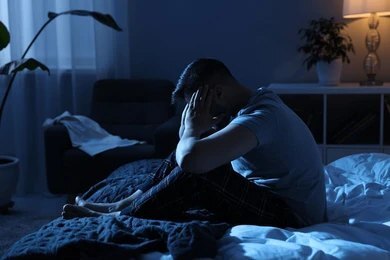
Have you ever felt sure you were awake for most of the night, only to learn that you slept more than you thought? This experience is often called sleep misperception. Understanding paradoxical insomnia symptoms can help explain why someone's sense of sleep may not always match what is happening during the night.
Sleep misperception can be confusing. You may remember lying awake, checking the clock, and waiting for sleep to come. Yet, objective sleep measurements may show that you slept more than you realized.
So, why does this happen? Several factors can affect how a person experiences and remembers sleep.
What Is Sleep Misperception?
Sleep misperception occurs when a person believes they slept much less than they actually did.
Sleep misperception is a mismatch between a person's perception of their sleep and objective evidence of how much they slept.
In other words, someone may feel awake for hours even though their body has gone through periods of sleep. The experience feels real because the person may remain aware of sounds, thoughts, body sensations, or brief awakenings.
Sleep misperception can occur on its own or alongside insomnia and other sleep concerns.
Why Does Sleep Misperception Happen?
There is no single cause of sleep misperception. Instead, several mental, physical, and sleep-related factors may influence how someone experiences the night.
1. Frequent Brief Awakenings
Sleep is not one continuous state. People naturally move through different sleep stages and may briefly wake several times during the night.
Most of these awakenings are so short that they are not remembered in the morning. However, some people remain more aware during these transitions.
As a result, they may remember several periods of wakefulness and feel as though they were awake for most of the night.
2. Increased Awareness During Sleep
Some people are highly aware of their surroundings while sleeping.
For instance, they may notice sounds, changes in body position, light, temperature, or other sensations. Therefore, sleep may not feel as disconnected from wakefulness as they expect.
This does not mean the person is imagining their sleep problem. Their experience is genuine, even when their perception differs from objective sleep measurements.
3. Stress and Anxiety
Stress can change how sleep feels.
When the mind remains focused on problems, responsibilities, or the need to sleep, it may become harder to recognize periods of actual sleep. Meanwhile, small awakenings may stand out more clearly in memory.
Because of this, someone may wake up feeling as though they barely slept, even when they had several periods of sleep.
4. Worry About Not Sleeping
Concern about sleep can also shape sleep perception.
Consider someone who gets into bed thinking, “I need to sleep right now.” They may begin watching the clock and estimating how much time they have left.
As the night continues, every moment spent awake can feel significant. Therefore, the person may remember wakefulness more strongly than the periods when they were asleep.
5. Insomnia
Sleep misperception can occur in people with insomnia.
Insomnia involves difficulty falling asleep, staying asleep, or getting adequate sleep despite having the opportunity to sleep. However, some people with insomnia may also experience a greater mismatch between their perceived and measured sleep.
In practice, this can make the night feel longer and more difficult than objective measurements suggest.
6. An Irregular Sleep Schedule
An inconsistent sleep schedule can make sleep feel less predictable.
Going to bed at different times, sleeping late on some days, or frequently changing wake times may affect the body's sleep-wake rhythm. As a result, you may spend more time awake in bed or experience sleep at unusual times.
That can make it harder to judge how much sleep you actually received.
7. Environmental Disturbances
Your sleep environment can also influence your perception.
Noise, light, an uncomfortable temperature, or an unsuitable mattress may cause brief awakenings. You may not remember every interruption, but you may still wake feeling that your sleep was poor.
Similarly, sharing a room with someone who moves or makes noise can create repeated disruptions.
Sleep Misperception vs. True Sleep Loss
Sleep misperception does not mean that someone is definitely sleeping enough.
Sometimes, a person may genuinely be getting too little sleep. In other cases, their perception may underestimate the amount of sleep they receive.
|
Sleep misperception |
True sleep loss |
|
Perceived sleep is much lower than measured sleep |
Actual sleep time is reduced |
|
A person may feel awake for long periods |
Long periods of wakefulness can be objectively observed |
|
Sleep may feel light or fragmented |
Sleep duration or continuity is genuinely reduced |
|
May occur with insomnia |
Can result from insomnia or other sleep problems |
|
Objective evaluation can help clarify the pattern |
Evaluation can identify possible causes of poor sleep |
The distinction matters because the right response depends on what is actually happening.
What Does Sleep Misperception Feel Like?
Sleep misperception can feel surprisingly convincing.
You might remember staring at the ceiling for hours. You may recall checking the clock several times and feeling frustrated that sleep never came.
However, you may also have slept during some of those periods without realizing it.
Common experiences can include:
-
Feeling like you were awake most of the night
-
Believing you slept for only a short time
-
Remembering many brief awakenings
-
Feeling that sleep was extremely light
-
Waking up convinced that you barely slept
-
Feeling frustrated or anxious about bedtime
-
Frequently checking the clock during the night
-
Worrying about how poor sleep will affect the next day
These experiences can affect how you approach the following night. As a result, concern about sleep may become part of the cycle.
How Can Sleep Misperception Affect Daily Life?
The effects can extend beyond the bedroom.
If you believe you barely slept, you may expect to feel exhausted the next day. That expectation can increase worry, reduce confidence in your ability to sleep, and make you more focused on sleep-related sensations.
Meanwhile, repeatedly worrying about sleep can make bedtime feel stressful.
For some people, this may lead to changes in daily habits. They might nap often, go to bed much earlier, stay in bed longer, or avoid activities because they believe they are too tired.
These behaviors can sometimes make the sleep problem harder to understand.
How Is Sleep Misperception Evaluated?
A healthcare professional may start by asking about your sleep habits and nighttime experiences.
You may be asked about:
-
Your usual bedtime and wake time
-
How long you think it takes to fall asleep
-
How often you wake during the night
-
How much sleep you believe you get
-
Daytime tiredness and alertness
-
Caffeine, alcohol, and medication use
-
Snoring or breathing problems
-
Your sleep environment
A sleep diary can also help reveal patterns over several days or weeks.
In some cases, objective testing may be recommended. For example, polysomnography records brain activity, breathing, heart rate, oxygen levels, and body movements during sleep.
However, testing is not needed for every person. The appropriate evaluation depends on the symptoms and the suspected cause.
Can Sleep Misperception Be Treated?
Treatment depends on what is contributing to the mismatch between perceived and actual sleep.
If insomnia is involved, cognitive behavioral therapy for insomnia may be considered. This approach addresses thoughts and behaviors that can keep sleep problems going.
Meanwhile, improving sleep habits may also help. Keeping a regular sleep schedule, creating a comfortable sleep environment, and limiting behaviors that increase bedtime worry can support healthier sleep patterns.
If anxiety is contributing to the problem, addressing that anxiety may also be helpful.
More importantly, symptoms that suggest another sleep disorder should not be ignored. Loud snoring, gasping, breathing pauses, unusual nighttime movements, or severe daytime sleepiness may require further evaluation.
When Should You Talk to a Sleep Professional?
Consider seeking professional advice if you regularly feel that you are barely sleeping, especially when the problem affects your daily life.
You should also consider an evaluation if you have persistent insomnia, significant daytime sleepiness, loud snoring, gasping during sleep, or frequent nighttime awakenings.
To be clear, the goal is not to tell you that your experience is wrong. Your perception of sleep is meaningful. Instead, an evaluation can help determine whether your sleep experience matches your actual sleep pattern and whether another problem may be involved.
Conclusion
Sleep misperceptions can make a full night of sleep feel surprisingly short. However, the experience is not simply a matter of imagining that you were awake.
Several factors can shape sleep perception, including brief awakenings, anxiety, insomnia, environmental disturbances, and increased awareness during sleep. Therefore, understanding the pattern can be more useful than focusing on one difficult night.
If you regularly feel that your sleep does not match what you experience during the night, find relief from sleep disorders by discussing your symptoms with a qualified sleep professional. The right evaluation can help clarify what is happening and guide the next steps.