Stale Air and Bad Indoor Air Quality? Try Mold Candles
Posted by Micro Balance Health Products
312 views
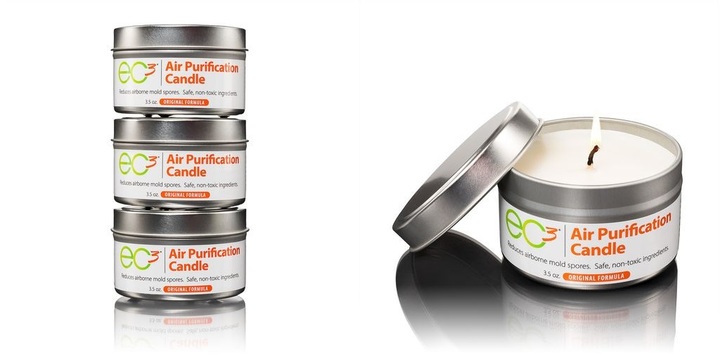
You love staying home, but sometimes your indoor air makes you feel sick. You are not alone; many homeowners are exploring solutions like mold candles because stale indoor air can quietly affect both comfort and overall well-being. Outdoors, the air is fresh and constantly moving. But stale air becomes trapped inside a home, allowing pollutants to accumulate over long periods of time.
This lack of circulation is mainly because modern homes are built to be more energy efficient, which is excellent for lowering utility bills. But tighter construction also means less natural airflow, making it easier for unwanted particles to linger indoors.
What Is Stale Air?
Stale air is indoor air that has not been adequately replaced with fresh outdoor air. Instead of circulating freely, it remains inside the home while collecting contaminants released through everyday activities and household materials.
Many people associate poor indoor air quality with visible dust, but the reality is much more complex. Numerous pollutants are too small to see with the naked eye, yet they can still affect the air you breathe every day.
What Can Be Found in Stale Indoor Air?
A variety of contaminants may be present in stale air, depending on the home and its environment. Mold spores are among the most common concerns, especially in areas with excess moisture or hidden water damage. As mold grows, microscopic spores become airborne and can spread throughout the house.
Chemical pollutants are another contaminant. Cleaning products, fresh paint, furniture finishes, carpets, adhesives, and certain building materials can gradually release volatile organic compounds (VOCs) into the air. Cooking, particularly with gas appliances, may also introduce combustion byproducts and fine particles that remain suspended indoors.
In addition, stale air can contain dust, pet dander, pollen, bacteria, smoke residue, and microscopic particles that are small enough to be inhaled deep into the lungs. Even carbon dioxide levels can gradually rise in poorly ventilated spaces when fresh air exchange is limited.
How Poor Indoor Air Quality Can Affect Your Home
The effects of stale air are not always immediate. Some people notice headaches, fatigue, irritated eyes, or nasal congestion after spending long periods indoors. Others may experience worsening allergy symptoms or increased respiratory discomfort.
Individuals with asthma, allergies, or chemical sensitivities are often more affected because their bodies react more strongly to airborne irritants. Mold exposure can be especially problematic for susceptible individuals, potentially triggering allergic reactions or making existing respiratory conditions more difficult to manage.
Poor indoor air quality doesn't only impact health. Excess humidity combined with limited ventilation can encourage mold growth, unpleasant odors, and moisture damage that gradually affects walls, ceilings, and furnishings.
Ways to Improve Indoor Air Quality
Improving indoor air quality usually involves several practical steps rather than relying on a single solution. Increasing ventilation is the first and most effective strategy. Opening windows when weather allows, using kitchen and bathroom exhaust fans, and maintaining proper airflow throughout the home can help remove stale indoor air while bringing in fresh outdoor air.
Managing indoor humidity is equally important. Keeping moisture levels under control reduces the conditions that allow mold to thrive. Promptly repairing leaks and addressing water damage also helps prevent mold from becoming established. Regular cleaning, replacing HVAC filters, and reducing unnecessary chemical products inside the home can further improve air quality by lowering the amount of airborne contaminants.
Can Mold Candles Help?
For homes dealing with recurring mold concerns, there are products designed to complement a broader indoor air quality plan. For example, EC3 air purification mold candles use natural botanical ingredients rather than synthetic fragrances. As the candle burns, these botanical compounds are dispersed into the surrounding air as part of a strategy to help reduce airborne mold spores.
While these products are not a substitute for correcting moisture problems or removing active mold growth, they may serve as one component of an overall approach to maintaining a cleaner indoor environment. Combined with good ventilation, humidity control, regular cleaning, and timely mold remediation when necessary, mold candles can provide additional support for homeowners working to improve the quality of the air they breathe every day.
For More Information About Sanitizer Fogger and Mold Detection Kit Please Visit: Micro Balance Health Products.