South Florida Roofing Contractors: Understanding What a Complete Roofing Project Involves
Posted by Grace Roofing Sheet Metal Enterprise
Filed in Business 5 views
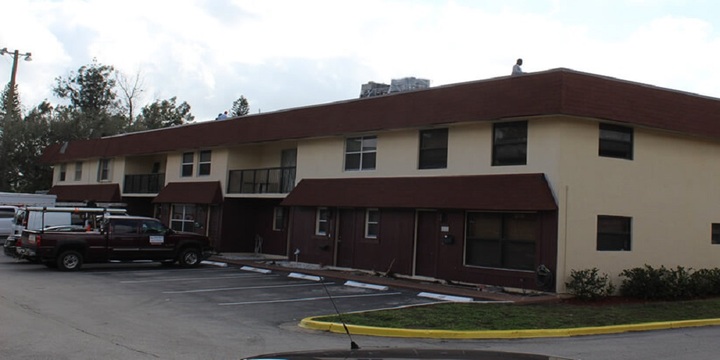
When a homeowner thinks about replacing a roof, the first picture that usually comes to mind is workers removing the old roofing and installing the new material. In reality, a proper roofing project involves considerably more than what can be seen from the ground. Inspection, planning, material selection, permitting, preparation and final checks all form part of the process. This is particularly important in South Florida, where roofing work has to take local weather and building requirements seriously.
The Initial Roof Inspection
Before any major work begins, the existing roof needs to be understood properly. A professional inspection can identify visible damage as well as problems that may not be obvious to a homeowner, such as deterioration around roof penetrations, decking issues or areas where water may have entered. The condition of the existing roof also helps determine whether repair or complete replacement is the more appropriate approach. This first stage gives South Florida Roofing Contractors the information needed to plan the work rather than making decisions simply from the appearance of the roof.
Choosing the Right Roofing System
The next consideration is the roofing system itself. Asphalt shingles, metal, tile and other systems each have different characteristics, installation requirements and appearance. In areas subject to demanding wind conditions, the choice cannot be based only on colour or visual appeal. Miami-Dade's roofing requirements include specific information about roof assemblies, components and product approvals for projects within the High Velocity Hurricane Zone.
Permits and Preparation Matter
A roofing project also involves paperwork that homeowners should not overlook. In Miami-Dade County, a new roof or reroofing project requires a permit, and licensed contractors can use the county's permitting systems for qualifying roofing work. The permit process helps ensure that the proposed work is reviewed against applicable building requirements.
There can also be additional preparation when an existing roof is replaced. Miami-Dade's hurricane mitigation requirements can involve roof sheathing attachment, secondary water barriers and, for certain properties, roof-to-wall connection considerations. These requirements depend on the building and the specific circumstances of the project, which is another reason local knowledge matters.
Installation Is Only Part of the Job
Once the preparations are complete, the actual roofing installation can begin. Good workmanship involves more than putting the chosen material onto the roof. Flashing, penetrations, edges, drainage, fastening and other details all need appropriate attention. The exact requirements vary according to the roofing system and location, but these details can have a direct effect on how the completed roof performs over time.
Inspections Complete the Process
A roofing project does not simply end when the workers leave the property. Required inspections form another important part of the process. Miami-Dade's permitting information explains that inspections are used at different stages to verify that work complies with applicable requirements and approved plans, with final inspections following completion of the work.
Take Away
A complete roofing project is therefore much more than replacing old shingles, tiles or other visible roofing materials. It begins with understanding the existing roof, continues through material selection and proper preparation, and includes permits, installation and the necessary inspections before the project is considered complete. For homeowners, this is also why choosing South Florida Roofing Contractors should involve more than comparing the lowest estimate.
For more information about Re Roofing Company and Florida Commercial Roofing And Construction Please visit: Grace Roofing & Sheet Metal Enterprise.